Another capital city for the October 2022 trip – and the history as a capital is interesting in its own right. The geography of the unified city and figuring out what was in the former East and West Berlin – and even his was my second trip there, it still blew my mind to think about as island of West Germany in a soviet controlled East Germany.
While there are visual reminders this all over the city, the history of Berlin is, of course, much broader than that. The variety of museums and architecture tell a tale and although that existed before World War 2 usually have something to say about their life in the former FDR or DDR. That in itself was interesting; what was the soviet approach to the national museum of Germany and what how did it promote a utopian vision of life of a grand socialist experiment, which, of course, turned out not to really be socialism? How did West Berlin keep its connection with West Germany and its democratic, capitalist culture? A lot of the museums we went to happened to be in East Berlin and all gave a chronicle of life in the DDR and how this influenced or involved the museum.
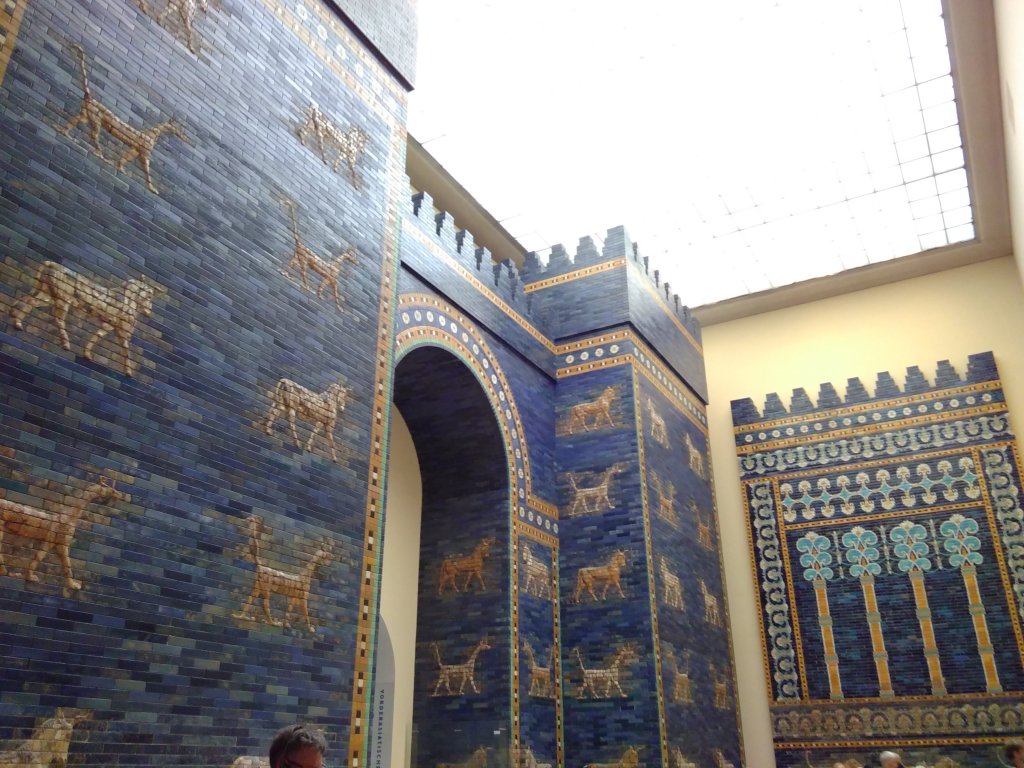
The Pergamon reminded me of school trips. It is the National Museum of Ancient Pillaged Stuff and has particular lines in Ancient Greece, Rome and Persia. The Tiled Hallway and Ishtar Door of Nebuchadnezzar are famous across Berlin, monumental in scale , they are seriously impressive, and a nearby display celebrates the generations of schoolchildren who remember visiting on a school trip and now returning with their own children. It is a lovely museum but slightly uncomfortable as the repository of pilfered things. The museum did take time to explain Germany’s role in 19th century archeology in the development of organised digs for the sake of furthering knowledge and understanding of Ancient civilisations, but I can’t help but be left with a but. I’m so grateful to have the chance to see and learn, and there are many items that come from parts of the world where civil wars and armed conflicts are being fought, so seeing in situ is not possible. I do think the concept of being foreign custodians with permission, and option to recall back to countries of origin, is worth exploring in Europe. Bit tricky when it comes to collections in the US and the facts that American collectors, archaeologists and historians invested hugely in new artistic styles, and in archaeology as an academic discipline; parts of art history, artistic development and the history of archeology, are indebted greatly due to the American Dollar. I’m not saying that the same principle of repatriating ownership or responsibility might not be to return to origin but I would not want the development of disciplines to be lost or not acknowledged. We wouldn’t know who Monet, Matisse, Cezanne and many artists are, and their influence on great American artists such as Rauschenberg, Pollock or O’Keeffe, without American investment and interest in European history and art, particularly in the 19th and 20th centuries.
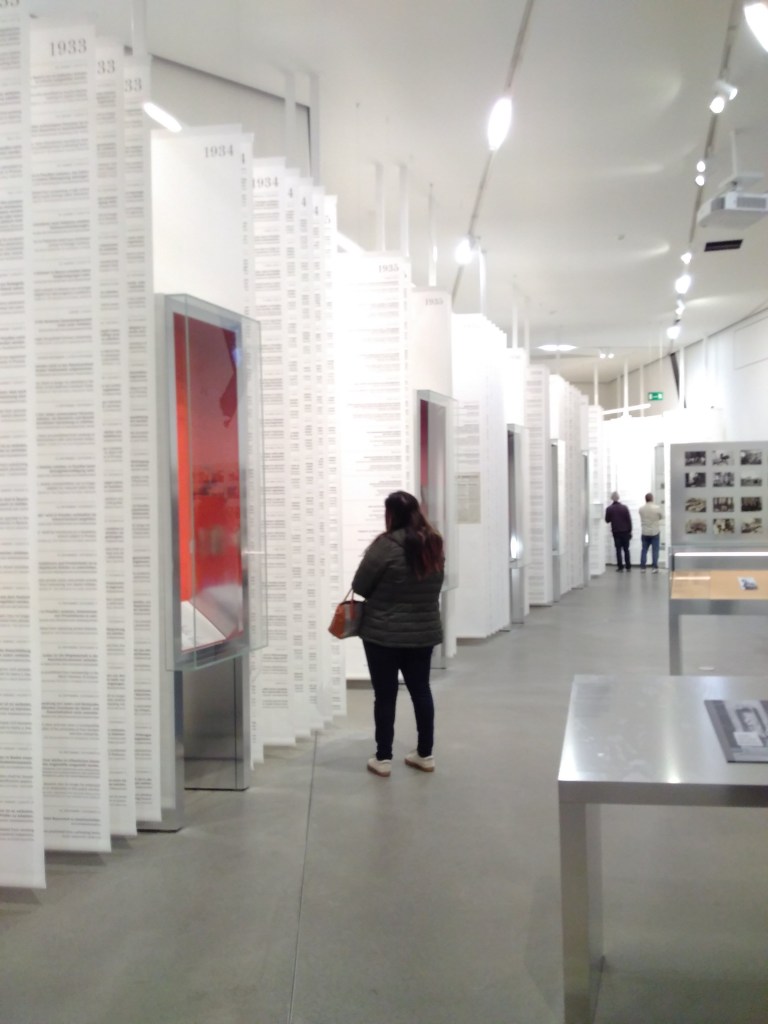
The Jewish History museum was incredibly powerful – built in a pattern so you are a bit disorientated on entry, the memorial garden is beautiful and haunting at the same time – you’re able to hear the traffic and birds who live in the garden but not able to see any of it. The museum is arranged in chronological order and does not hold back on the many ways in which Jewish people have been oppressed and killed in Germany. There is one section with hundreds of cloth banners hanging down – they list the hundreds and hundreds of laws passed after 1933 removing legal rights as well as actively restricting the lives of Jewish people in Germany. There was so much to see and take in, I went back a second time during our trip. The personal stories, the heartbreak of families who gave notes to their loved ones when they knew they were seeing them for the final time, were displayed with great sensitivity. The art collection of Jewish artists who fled or were killed by the Nazis is heartbreaking in a different way – the potential and lives wasted brought in to sharp focus when people paint the ghettos, the deportations and the death around them.
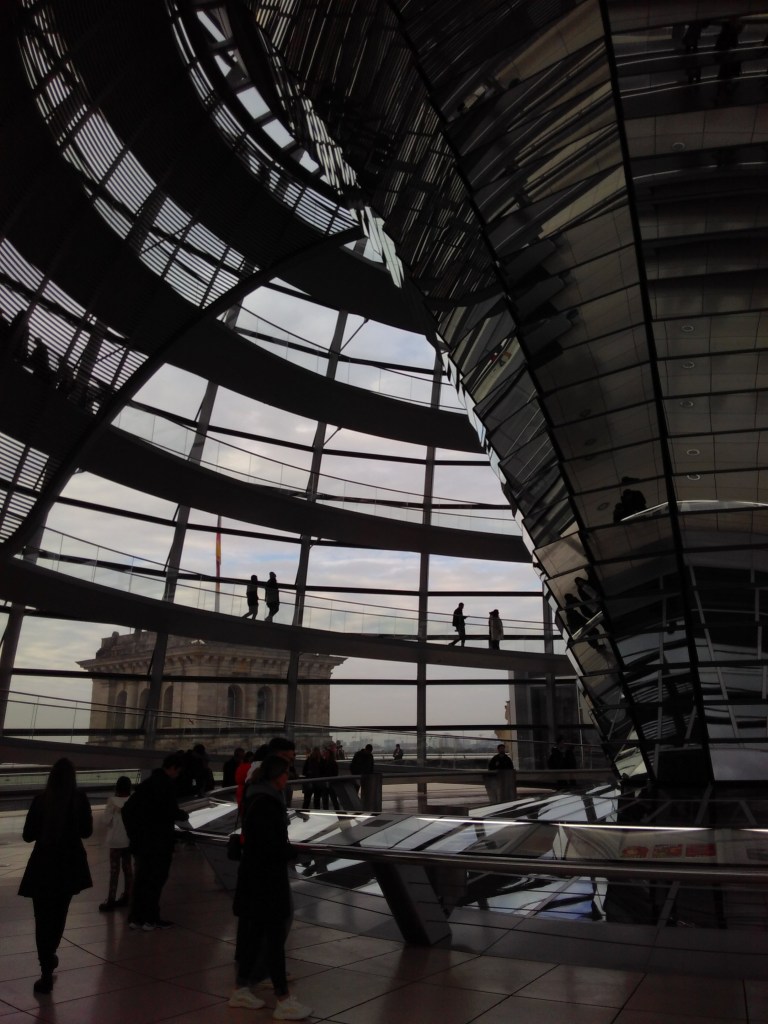
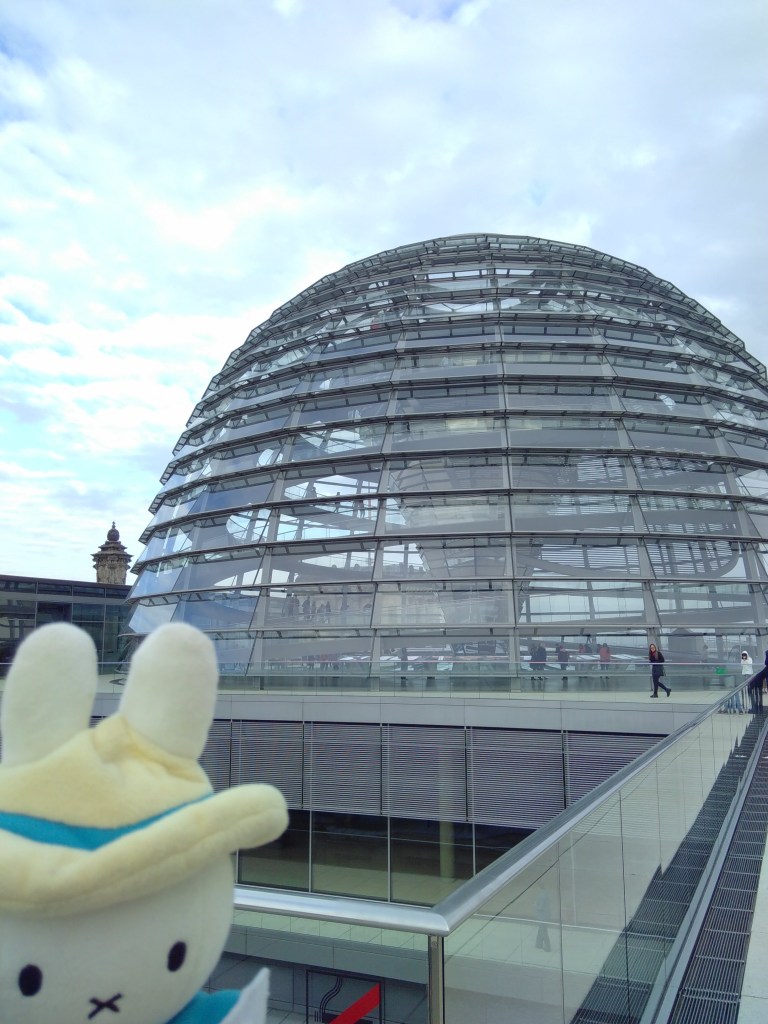
The Bunker Story is what you think it is – a series of bomb shelters from WWII, telling the story of Hitler and wartime Berlin; the 20th century history of Berlin is everywhere – the outline of The Wall wherever it ran is painted or built into the ground; sections of the Wall erected across the city, some still in situ. The memorials everywhere. Deportation plaques in front of buildings where thousands of Berliners were stolen away from their homes. The Holocaust Memorial sculpture that you walk in to, hundreds of concrete blocks that tower over you. And yet there is a lot of love and joy in Berlin – it’s a rebuilt city and a unified city – one that is proud of centuries of cultural history and development, of its status as a principal city,and a modern city of a new Parliament roof on the old Parliament building that celebrates a unified Germany.
 All the punks are pushing fifty years and are hardly feared