I’m back in Arles. This is my fifth time visiting Arles. I came originally to explore Arles links with van Gogh – he moved to Arles in 1888 with his dream of setting up an artists’ colony in the South of France; he loved the colours and light here and painted some of his most famous works here. He also experienced his first breakdown, cut off his ear, was involuntarily hospitalised, then voluntarily admitted to nearby St Remy de Provence (subject of my last adventure in Arles in November 2018) before moving on in 1890 to spend his final weeks in Auvers Sur Oise outside of Paris (also subject of previous journeys).
Arles has a rich history – it is famous for its Roman monuments, its mediaeval and Renaissance buildings, as a starting point for one of the French routes of the Santiago de Compostella. New to me this time is the recently reopened Musee Arletan -one of the first anthropological museums in the world, founded by Frederic Mistral using the funding he had gained from winning the Nobel Prize for Literature (the first such award for literature that was written in a regional language – in this case, Provencal, the local dialet of this region, still spoken by some). The museum has been closed for several years and today was the first time I could go. It’s based in a rich merchant’s 18th century townhouse, with Roman ruins in the courtyard (of course) and is a history of the culture of Arles and the surrounding area, the folklore, clothes, festivals and everyday life. It is also a museum about founding one of the first anthropological museums and how this has changed over the decades.
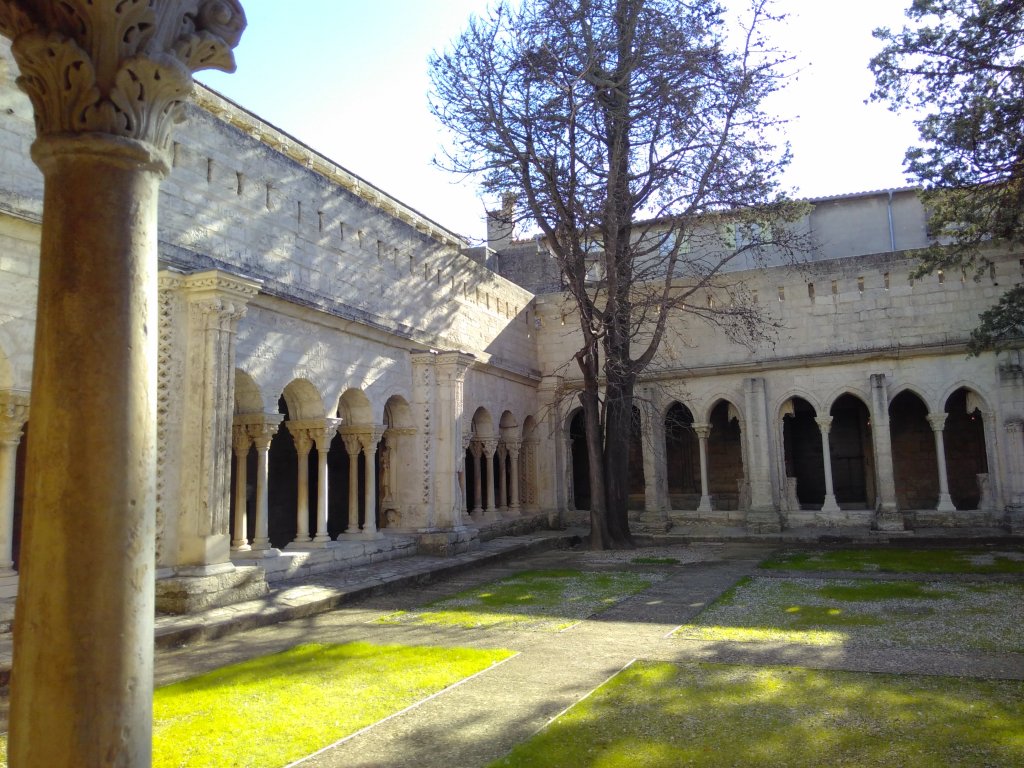
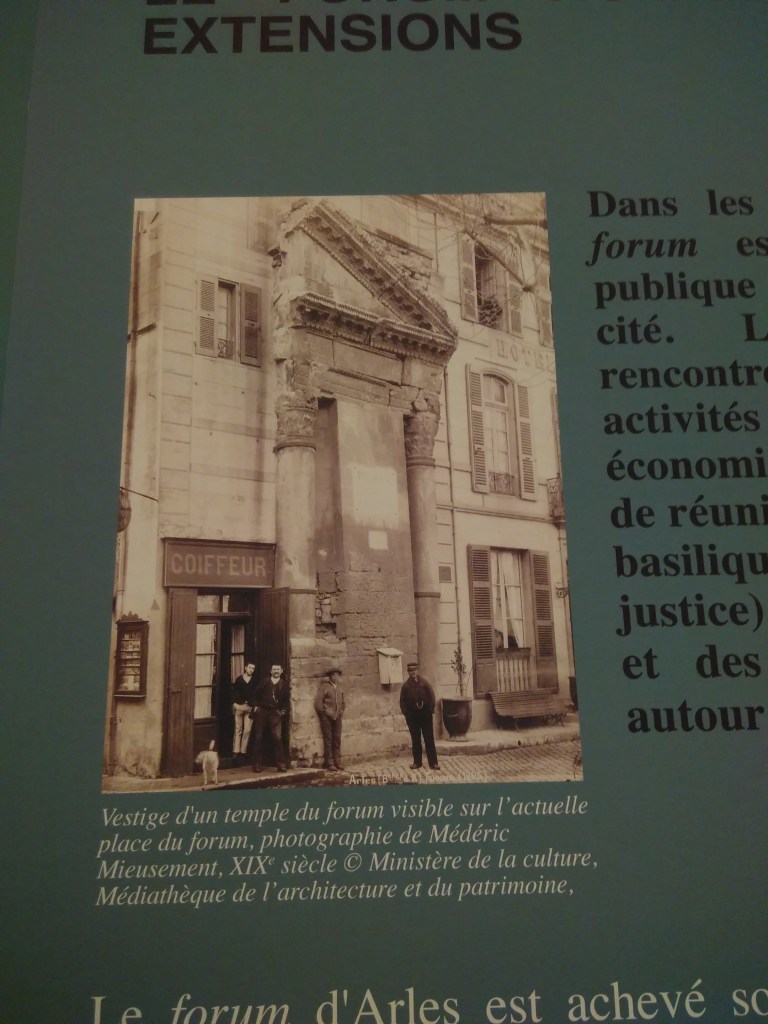
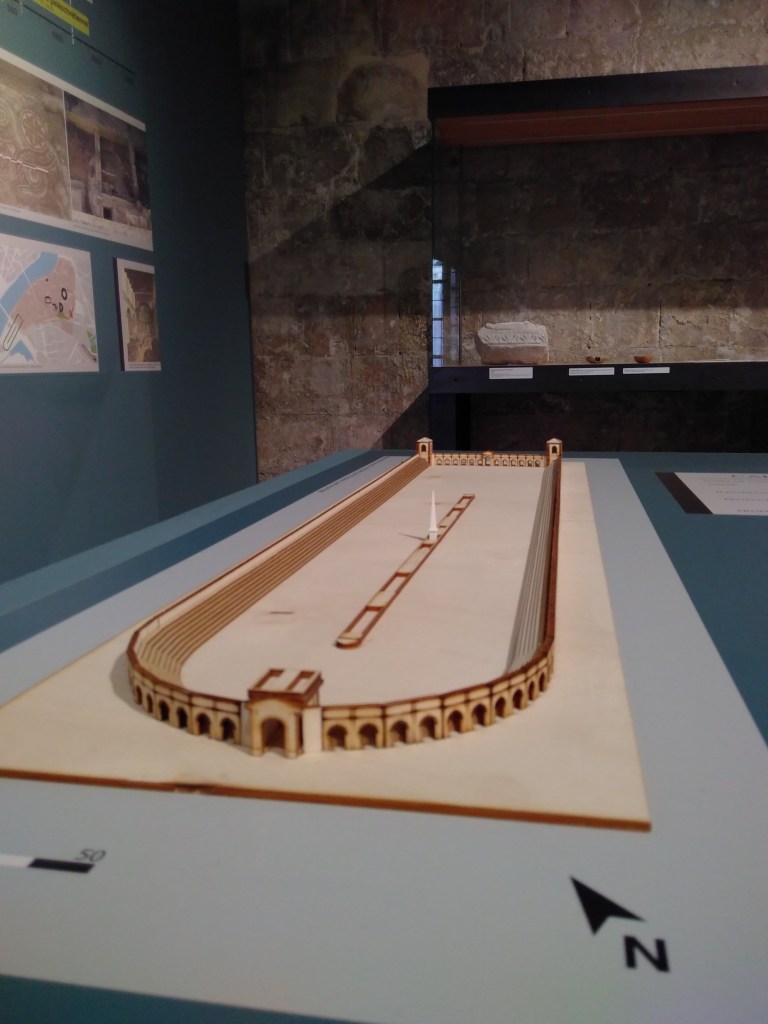
The town is also celebrating 40 years as a UNESCO World Heritage site – there is an excellent exhibition at the cloister of St Triomphe. The last time I was here, the temporary exhibition was Nativity Scenes from Around the World. This time, it was the history (and scale models!) of each of the monuments and sites comprising Arles’ entry as a UNESCO World Heritage site, as well as how UNESCO and listings have changed over time. Arles has updated its listing to include cultural/intangible aspects of local life as well as buildings. I learned a lot from the exhibition, both about Arles and the work of cultural heritage and protection of it.
I went for a run this morning, down a cycle track and path that had just been constructed last time I visited – it takes you down the side of the grand canal that leads to the mouth of the Rhone and the mediterranean. It conveniently goes to what is now known as the van Gogh bridge – the site a few kilometres outside of Arles where women used to wash linen. 36 km further and you reach the sea. I read the inforamtion about the route last time I was here but didn’t take it in – it is part of the ViaRhon, a 700km cycle route that leads from the bank of Lake Geneva down to the mediterranean – through 12 French departments, and the track from Arles is the last stretch. It looks brilliant – one more for the list.
I’m glad to have visited Arles again. I wasn’t sure last time I was here if I would have the chance to come back when there are so many other places to explore. This was back in November 2018. Motivation has changed a little bit since then! This week, I have wanted to explore new places but also wanted something a little more familiar too – I’m trying to figure out why. Trying to limit surprises, or feelings of displacement, after 18 months where nothing has felt ‘normal’? I’m not so sure. I have read copies of local newspapers in Orange and Arles – lots of local news stories about how things are adapting and have restarted. Lots feels familiar about that. France has a more cautious appraoch about Covid measures and that feels useful and a bit more comforting – infection rates are much lower and vaccination rates slightly higher than the UK. However, as in the UK, hospital admissions are on the increase again. There is a bit more feeling of adapt and adopt here – no newspaper articles or references to ‘getting back to normal’ or a ‘new normal’. The elements of the ‘new normal’ I wish did continue in the UK but are not, such as no traffic and air pollution in lockdown, and pre-Covid levels of use of public transport – I am glad for the health and wellbeing of train commuters that there is no longer the need to stand in a squashed train at rush hour and lose several hours of life commuting per week, but I am very sad that the pandemic has changed people’s attitudes to car usage, car ownership (it must be as vast and new a vehicle as possible) and public transport use.
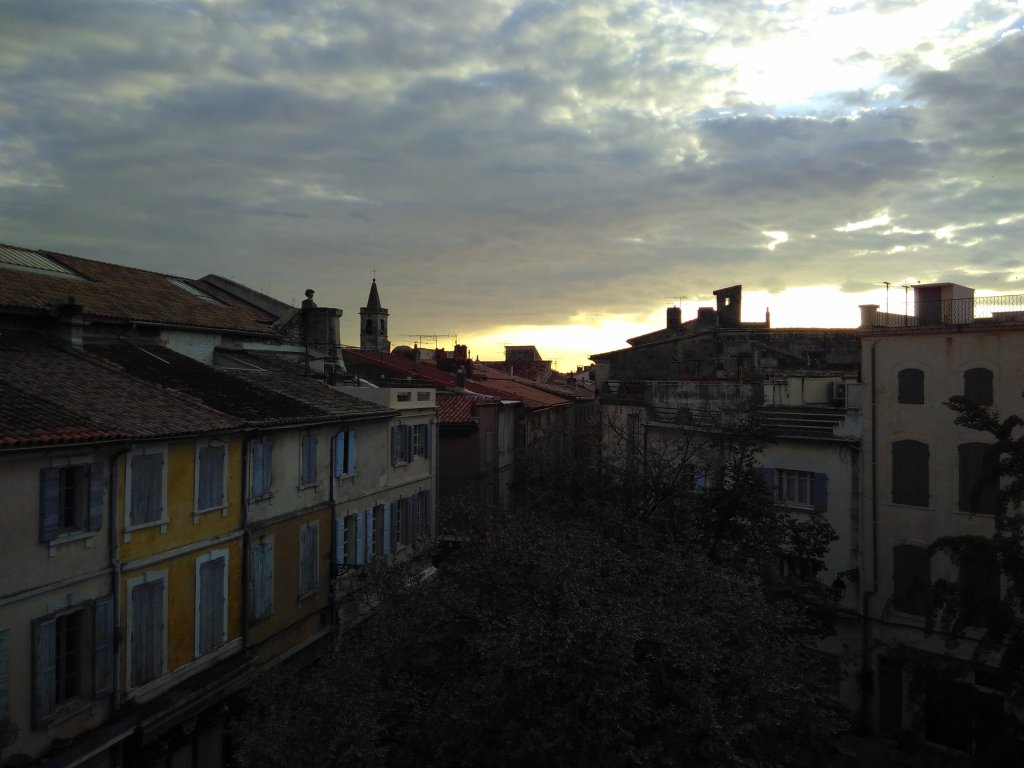
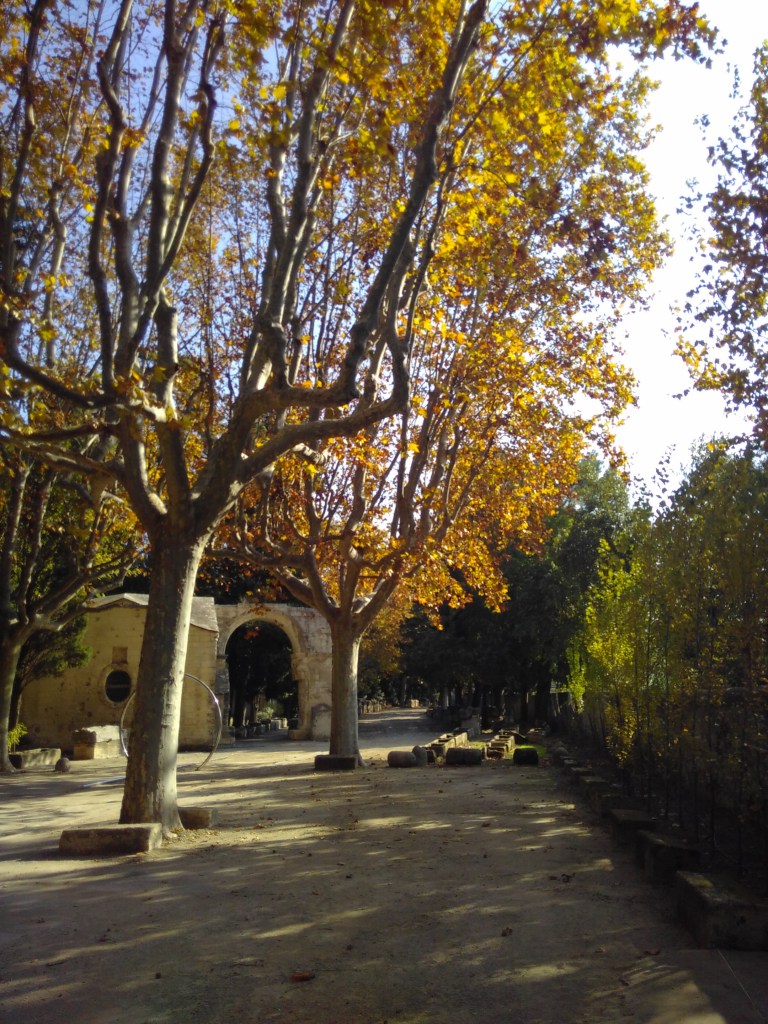
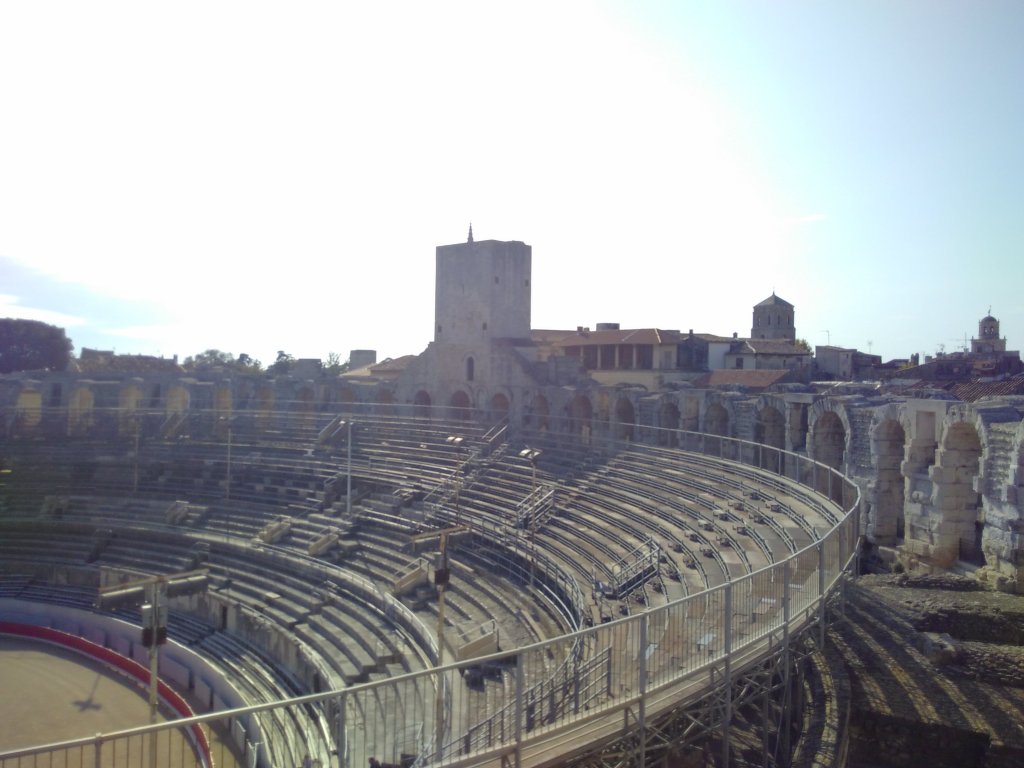
Musing over – here are some photos of Arles and of exhibitions from the last two days:

 All the punks are pushing fifty years and are hardly feared