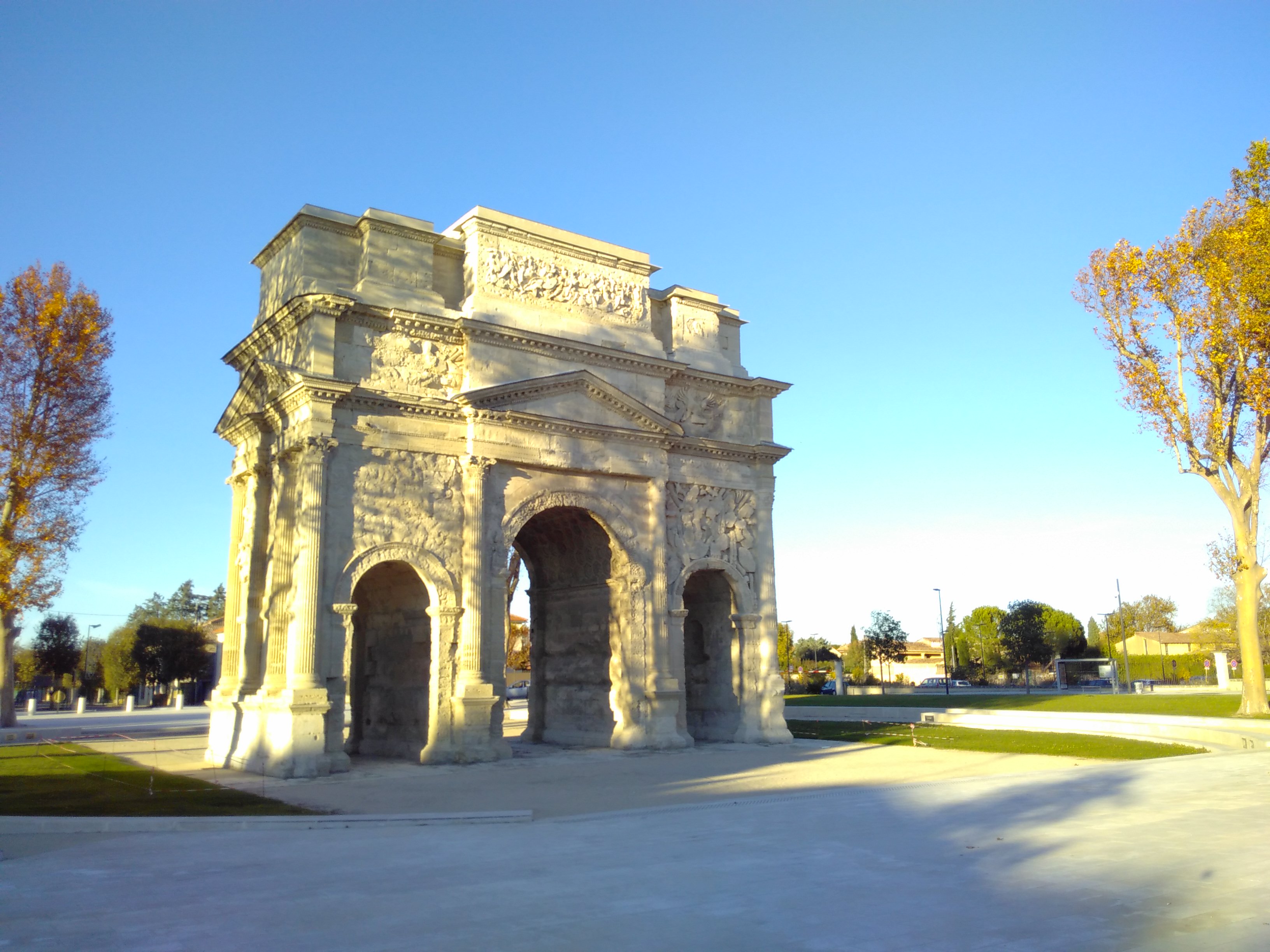
In a good way. My first trip with Miffy van Gogh in two years and one month takes us to Orange in France, specifically for Roman history but today has had a number of lovely surprises.
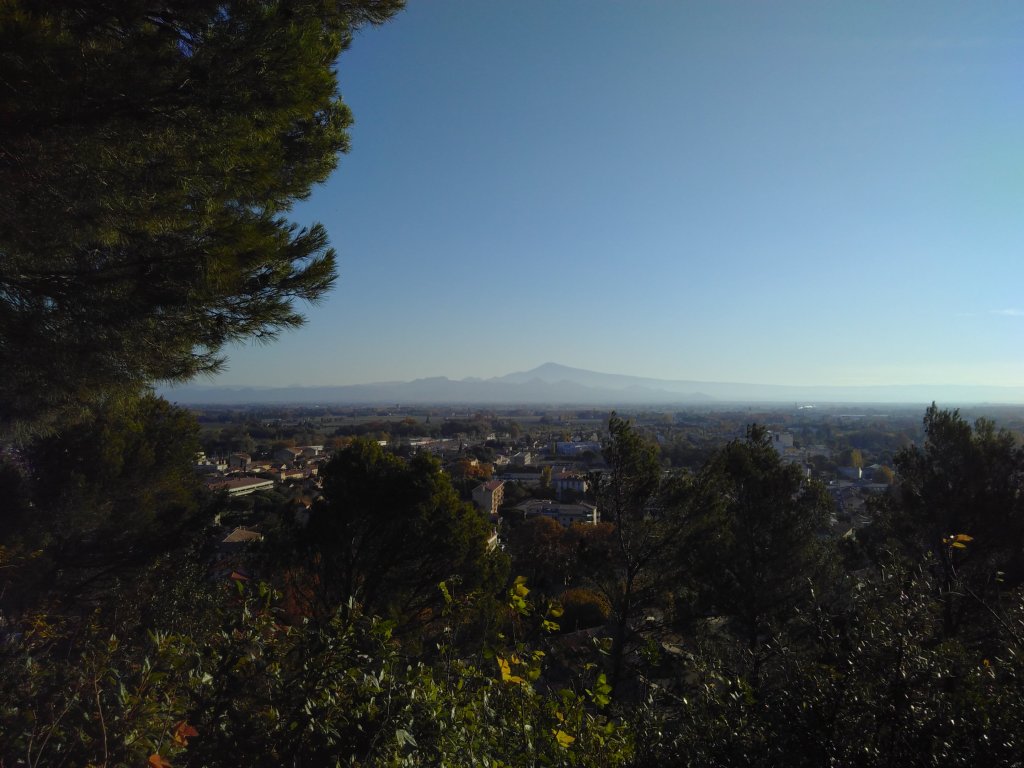
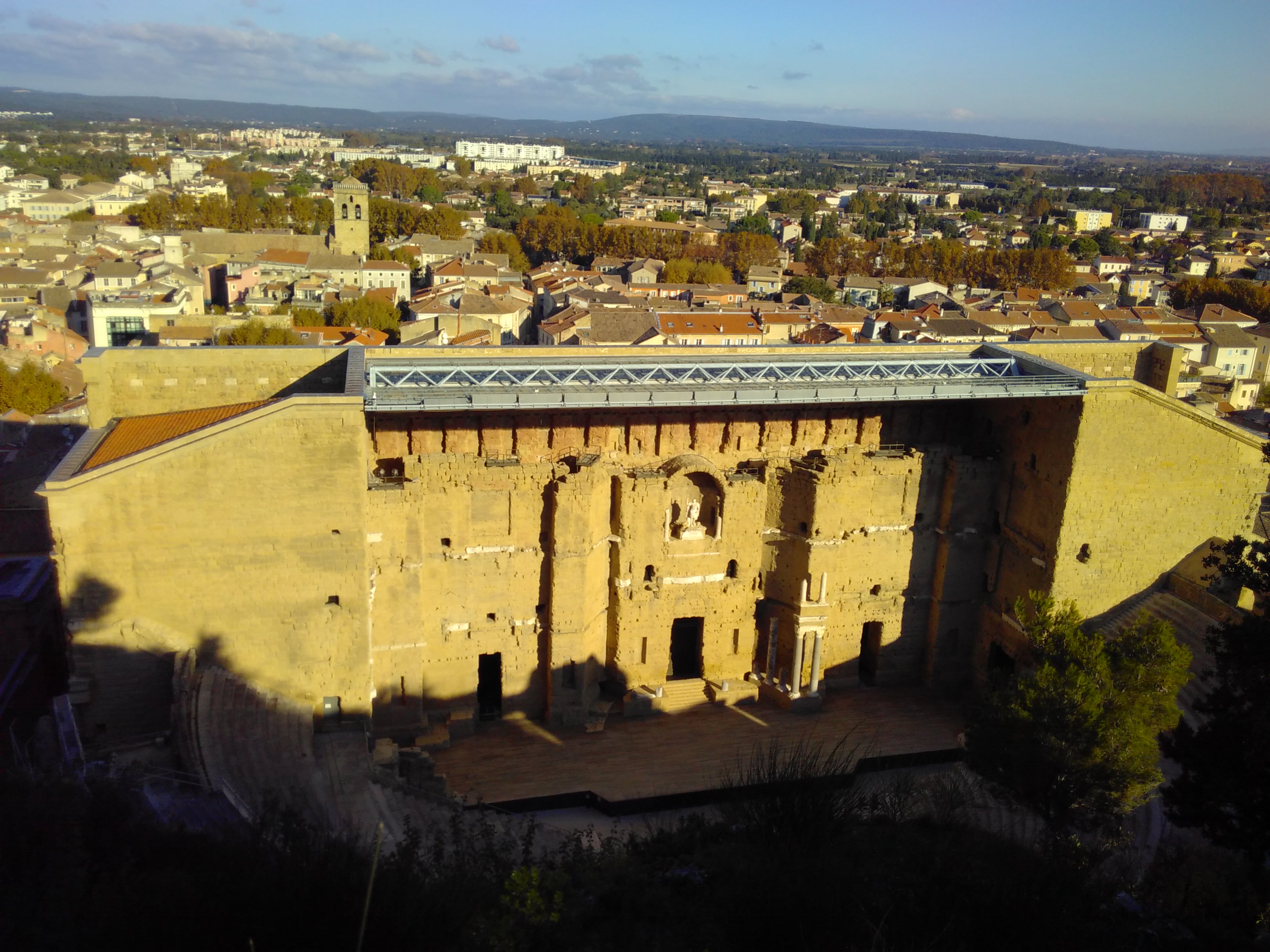
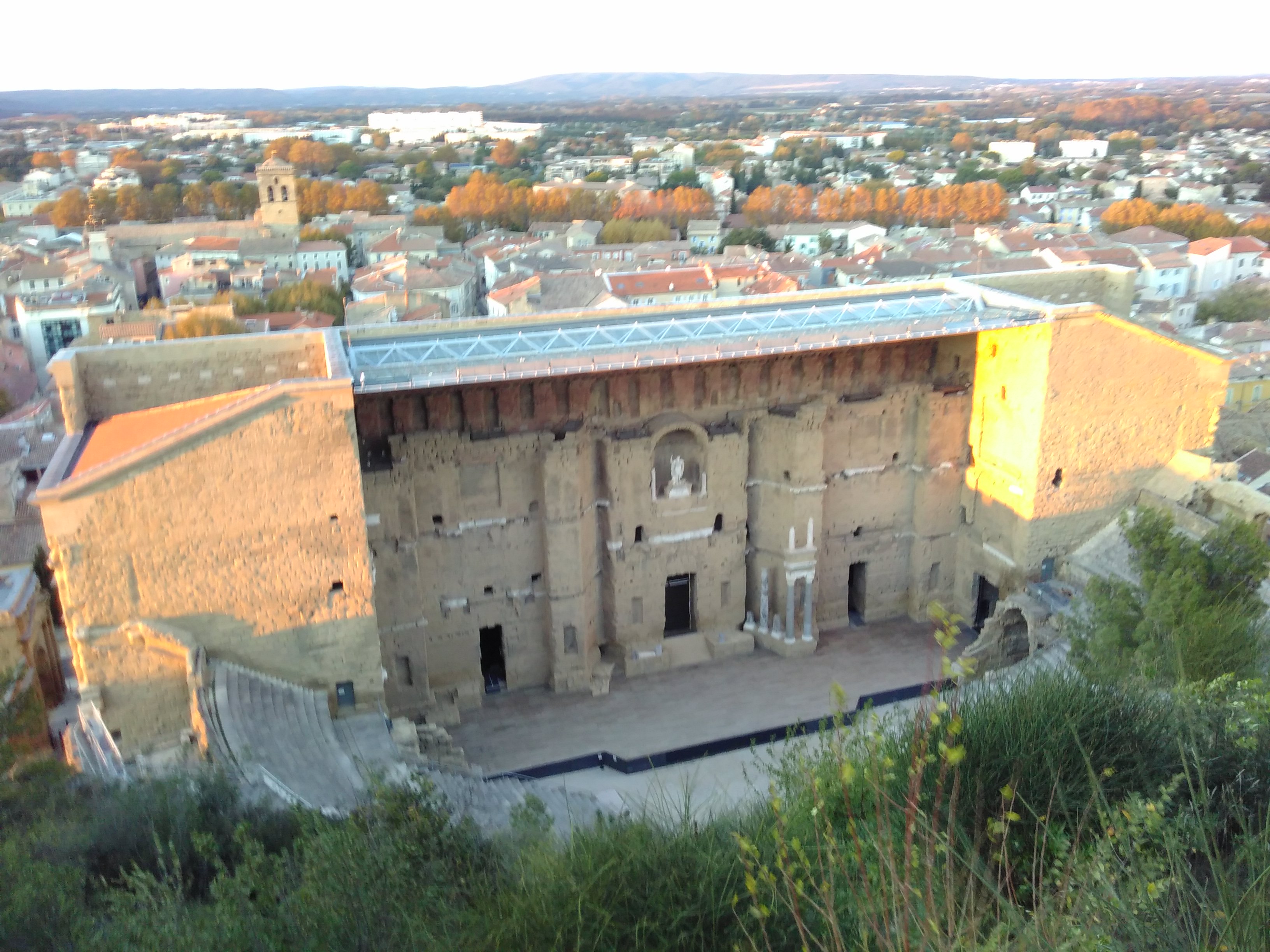
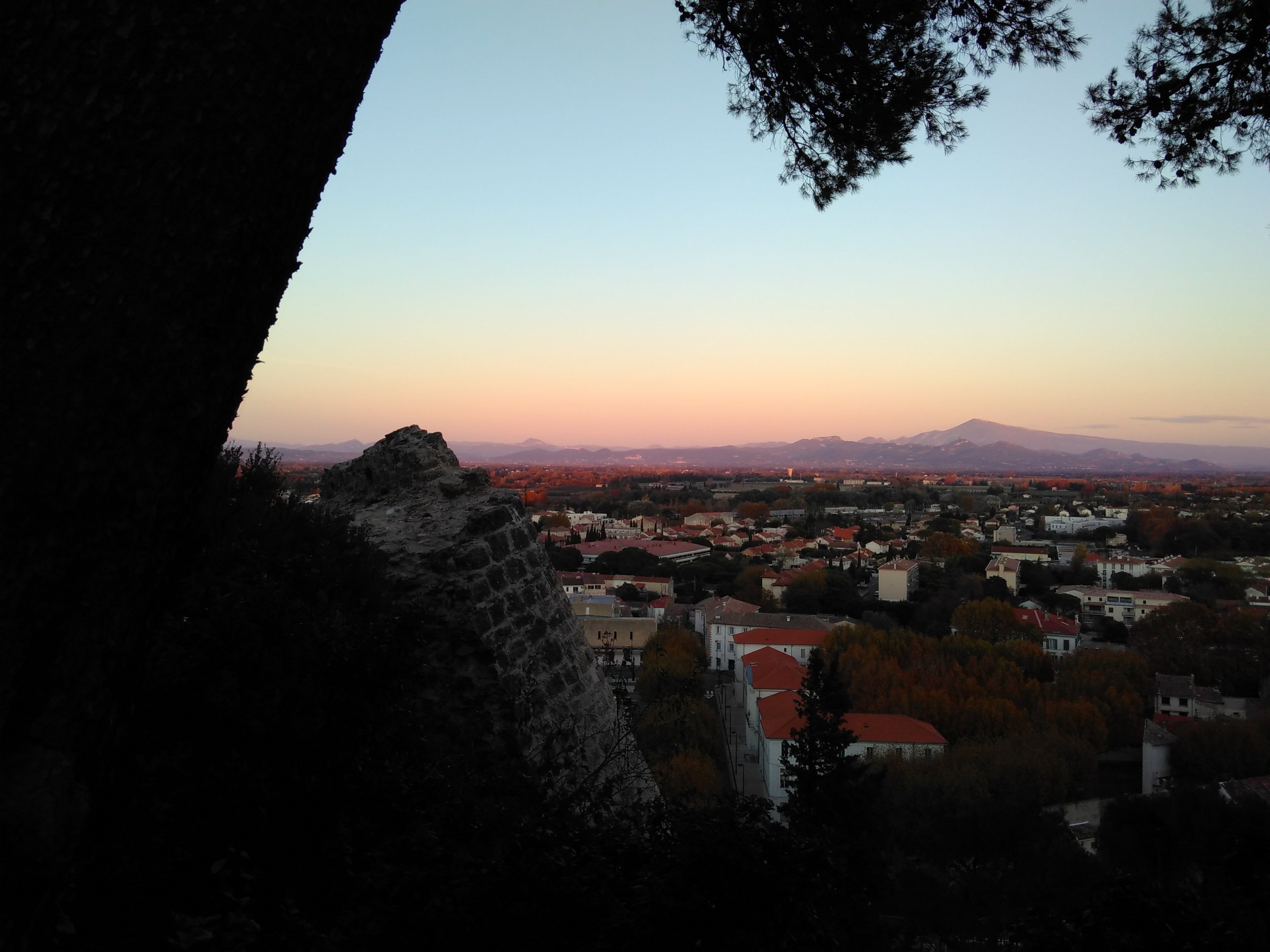
Good morning, Mont Ventoux! That was the first unexpected surprise. I’d walked up the Colline Saint-Eutrope, the hill that has been settled since the Iron Age and the base of which is the site of the Roman Theatre for which Orange is famous. The rest of the hill, once site of a fortress and castle, is a public park, and a lovely place for a bimble or a run. A met a few people out early on a Sunday morning, power-walking, jogging, ambling. There are two panorama points – one out to alpes, and a reminder why the route of the Tour de France is usually bonkers, and the other taking in the Roman theatre from above and the wider valley.
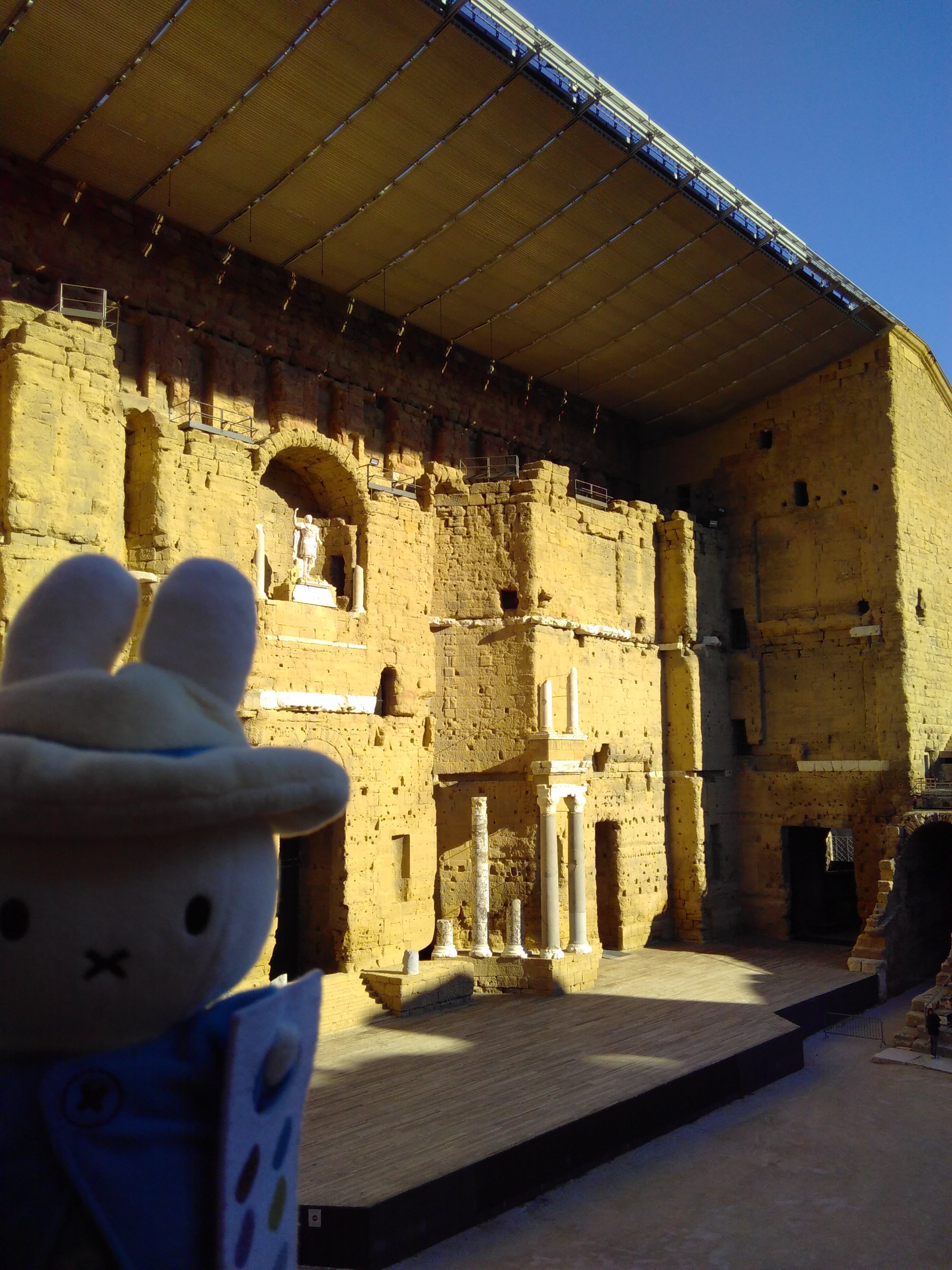
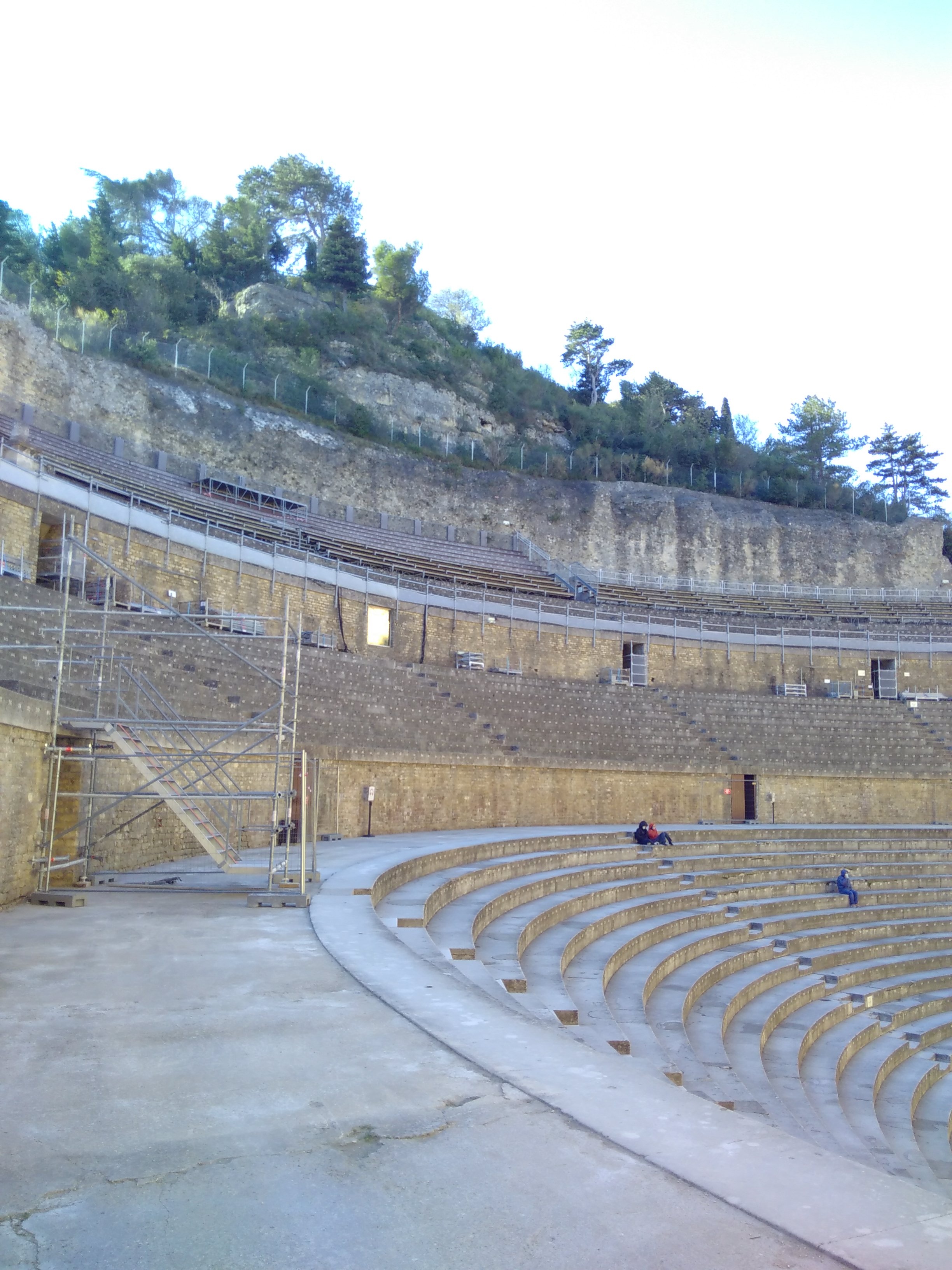
Next to Roman theatre, which was excellent, as was the museum opporsite. The theatre was built for Emperor Augustus in the newly founded Roman settlement of Arausio (now Orange) and accommodated 10,000 spectators. The stage wall is the most intact left in the world. The theatre was abandoned when the Romans were driven out of the area by the Barbes; the theatre and the space then became a village, with 94 shacks/rooms built into it, but thankfully, the theatre was not destroyed in the process. In 1823, local townspeople decided to start restoring the theatre, and the first show was put on in 1869 and still has concerts today.
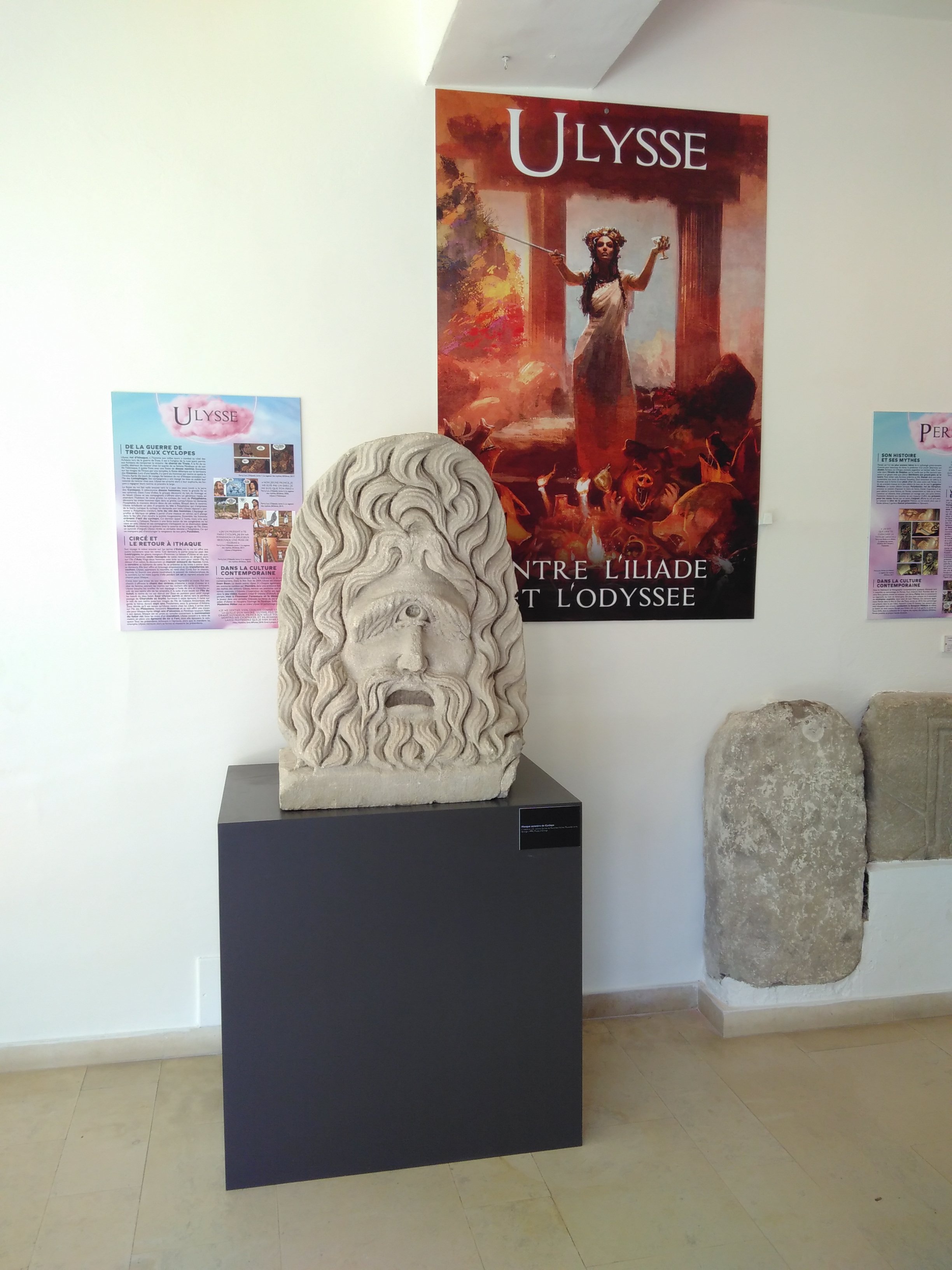
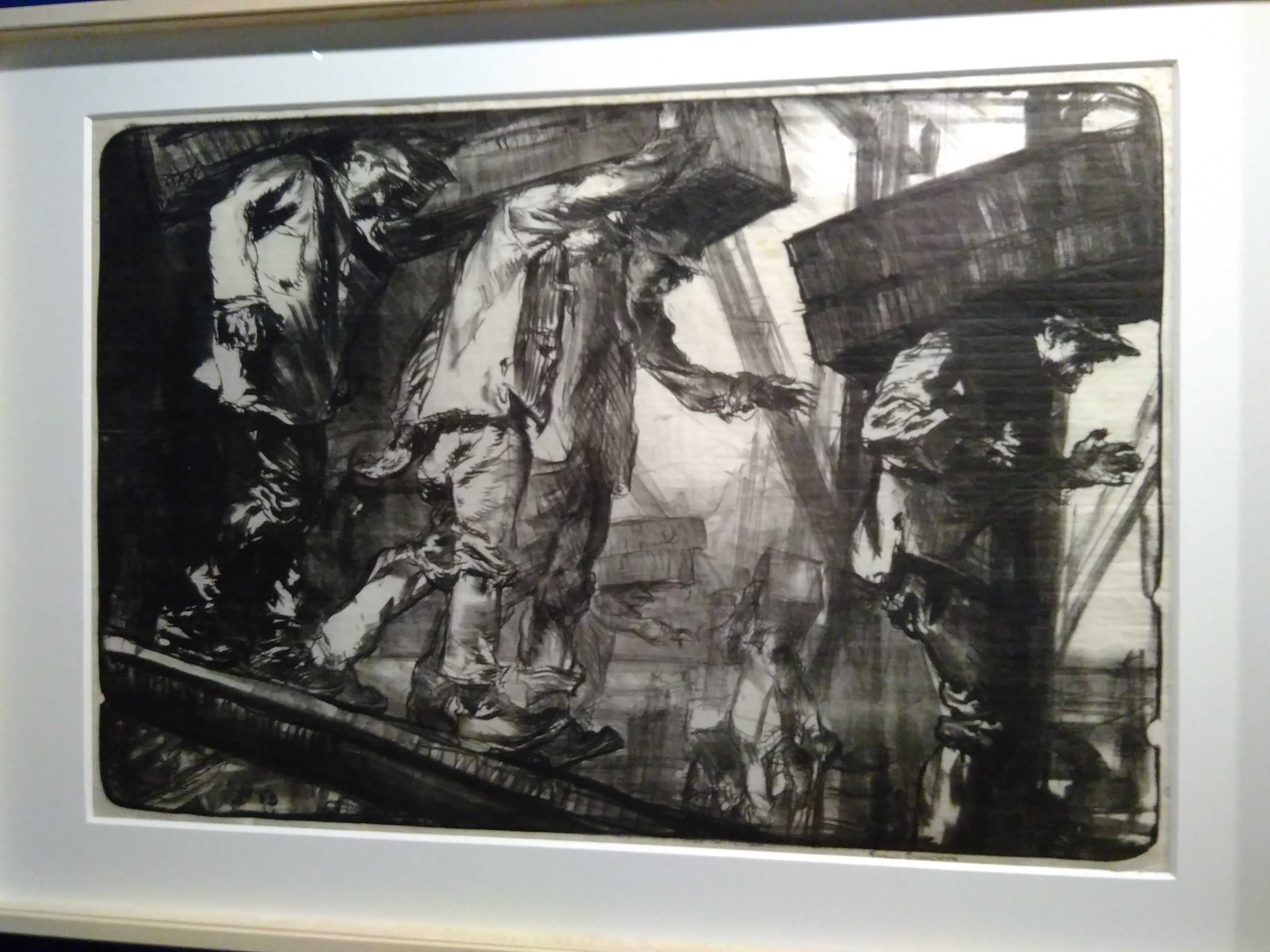
Orange has had an interesting history, reflective of that of the region, in that it was a protectorate of Charlemagne, then Barbarossa, then passed down families until William II and his son William III of Nassua – also William of King of England fame, and King Billy of shiny statue in Hull. At this point, it became Orange and is recognised as one of the principal towns of the Orange dynasty. 100 years later, it became part of the new Kingdom of France and industry started making its mark on an area rich in minerals, stone and water power. The museum is housed in a rich family house from 18th century. It has a temporary exhibition on Roman mythology, with many of the pieces coming from the permanent collection – the local collection of roman marble, objects of daily life and local administration is excellent. There is a part of the museum about the local printing and cloth industry, which was super-interesting and upstairs, an unexpected room of Frank Brangwyn works and that of one of his artist friends, Alfred Belleroche, who had links with Orange.
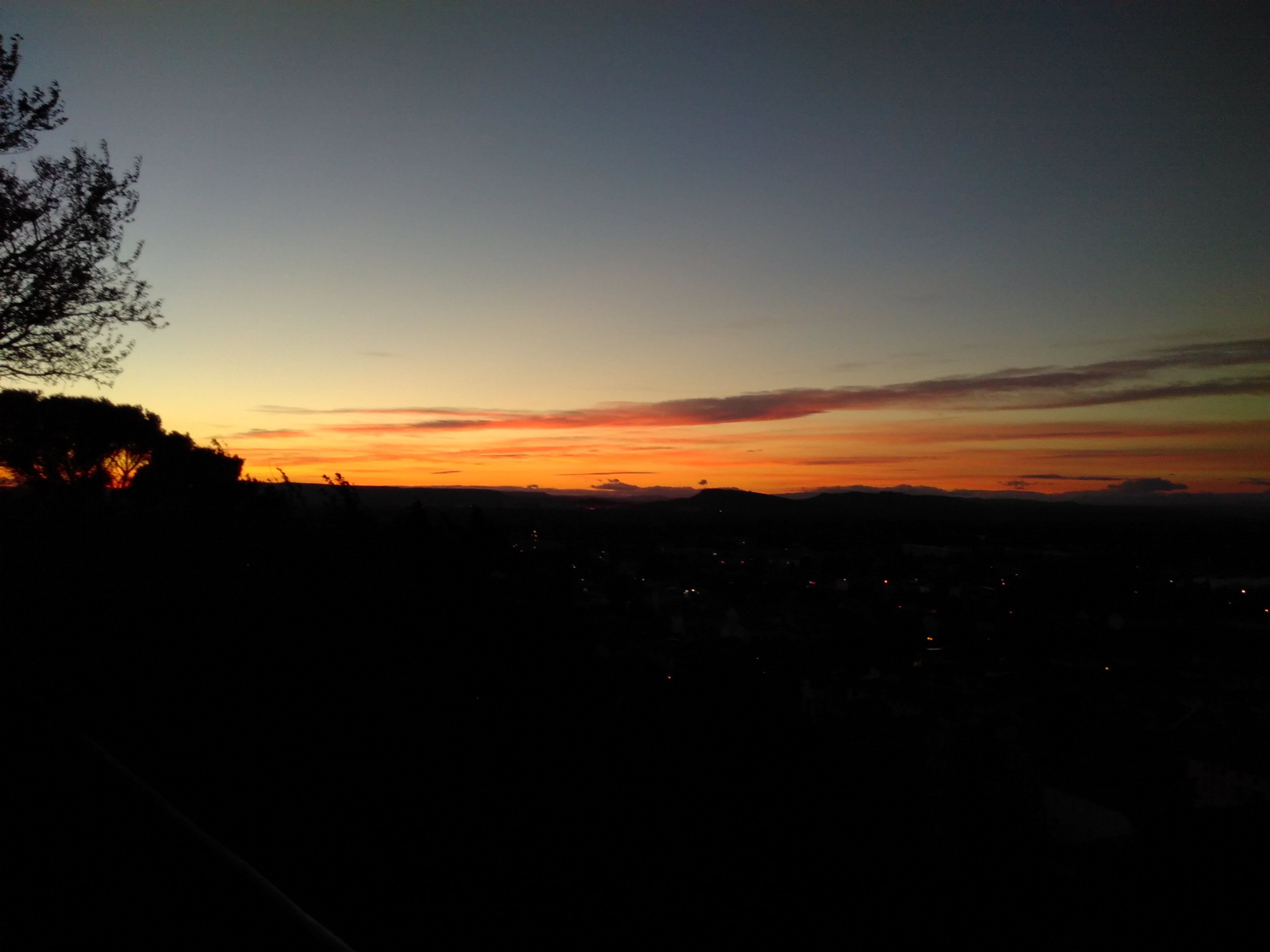
I went back up the hill this evening for a stunning sunset. It was wonderful to see the glow of the soft evening sun in the local stone including the theatre and then see the sun dispersing over the mountains and river valley. Stunning.
 All the punks are pushing fifty years and are hardly feared