I have been reading through the notebook I keep when visiting museums and exhibitions – it was super reading Amsterdam in January 2020 and Antwerp & Ypres in February. The notebook then stops until August 2020!
The months between February – August 2020 were far from idle and I’ll share many, many photos of Hull and The Yorkshire Wolds that became our lockdown world in a separate post – I’m so grateful for it.
In the meantime, I learned a lot in Amsterdam, Antwerp and Ypres:
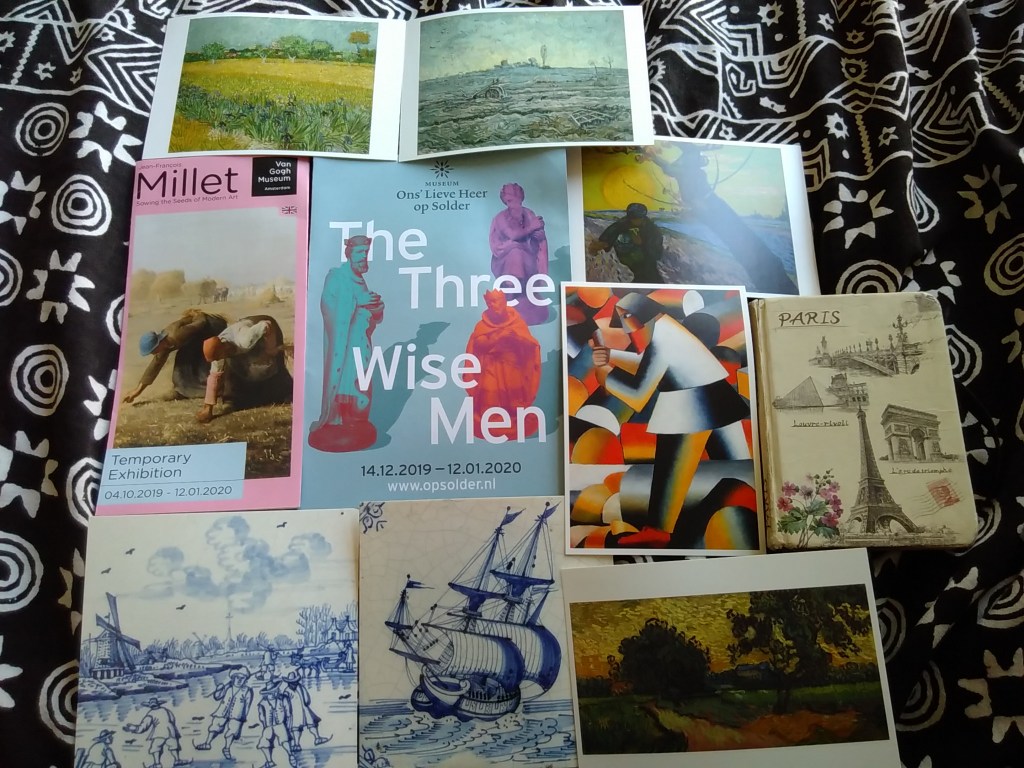
The photo on the left is the exhibition at the Van Gogh museum that was the principal purpose of the trip; it was an exhibition about the French artist Jean-Francois Millet and Millet’s influence on Van Gogh and other artists around the same time. Millet was one of the founding artists of the Barbizon School in the 1800s, and a Realist painter. Whilst his technique were influential to Van Gogh and a number of other artists, it was Millet’s chioce of subject matter that had as great, if not a greater, influence on Van Gogh. Millet painted scenes of agricultural life, the workers of the countryside and vast landscapes – exactly the subject matter that Van Gogh realised he wanted to capture. For him, the colours and people of the coutnryside were real-life and what he thought art should be about. He’d already had run-ins at art college and with the strict rules about what was ‘acceptable’ art. Seeing Millet’s art inspired him to stick with the subjects he thought should be painted.
The exhibition looked at Millet’s influence on other artists, and the influence of the Barbizon School and Realism on the development of art – to the Impressioninsts and Post-Impressionsinsts and even slightly later art movements including Supremacists such as Malevich – Malevich’s painting of The Woodcutter from 1912 was inspired by the subject matter of the Realists, just as Van Gogh’s The Sower was, too.
The colours in Van Gogh’s paintings would take a fateful trip to Paris and seeing the Impressionists to acquire . . .
Febraury 2020 brought a trip to Antwerp and Ypres. I’ve loved Belgium for a long time – there is a fascinating history packed in to a small country. Antwerp brought the history of the water, Ypres the history of war.
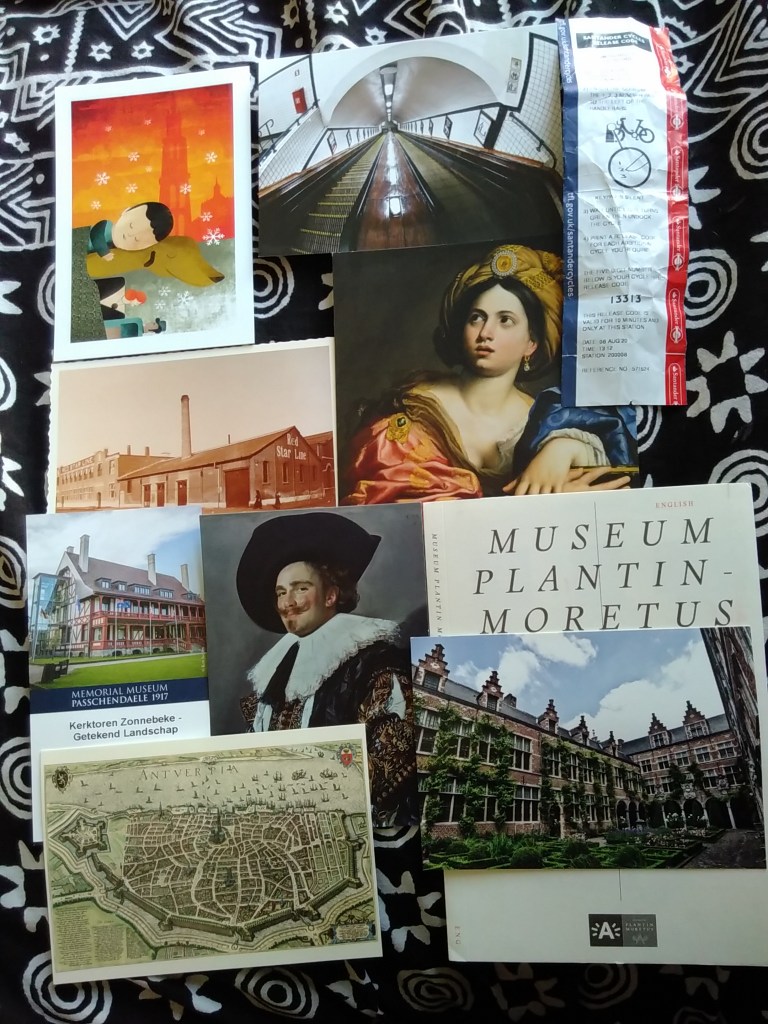
Antwerp is one of Belgium’s most important port cities, long associated with trade and more recently mass migration to America, as well as the ship-faring leisure industry. Antwerp built its fortune on international trade and exchange of knowledge. The second photo has some highlights of this: the Museum Plantin-Moretus is not only a gorgeous building but also part of Antwerp’s history: a publishing house that helped expand the knowledge of intellectuals as well as spread knowledge amongst citizens – the first dictionaries, Bibles in different languages, encyclopaedias, illustrated plates were all printed by Plantin-Moretus and discussed in the coffee houses and University of the city. Being a trade port, new books and ideas were brought in, translated, dictated on to plates and printed. The dicataion room, some of the print rooms, the shop front are all within the museum. It also contains some of the living quarters of the family – a rich family from publishing, with trappings of velvet wallpaper, fine furniture, Delft tiles, paintings from local and famous artists (Peter Paul Rembrandt, among others), it was an excellent way to explore part of Antwerp history.
Three other museums: MAS, the main history museum of Antwerp in an impresssive purpuse-built structure in the historic docklands, which are also worth wandering around. MAS tells the story of Antwerp floor-by-floor as well as holding temporary exhibitions. Nearby is the Red Star museum, housed in one of the dockside buildings owned by Red Star shipping, which became famous for its liners taking hundreds of thousands of economic migrants from Europe to New York, as well as supporting the growing tourist and cruise industry. The Red Star museum has an excllent permanent collection of artefacts from its development as a company as well as a proud part of Antwerp’s history – I learned many things, including the Stamp Duty used to be applied to advertising posters, requiring a stamp to be bought and affixed (and stamped) to each poster displayed. The Peter Paul Reubens museum is also excellent – a chance to poke about a 17th century family house of a wealthy family, including grounds with fake Ancient Rome design. It’s well worth a look, even if Reubens’ art isn’t your thing – the opportunity to see a lovely house in the older part of Antwerp is well worth it.
Apart from a well-timed trip to Bury St Edmunds just before lockdown, the notebook stops until August 2020.
It restarts in ernest with two day trips to London to see exhibitions again. Socially distanced train journeys, timed tickets for exhibitions, strict numbers per room per museum and bombing about on TFL bikes to avoid the Tube where possible.
The first entry is actually called Day In That London.
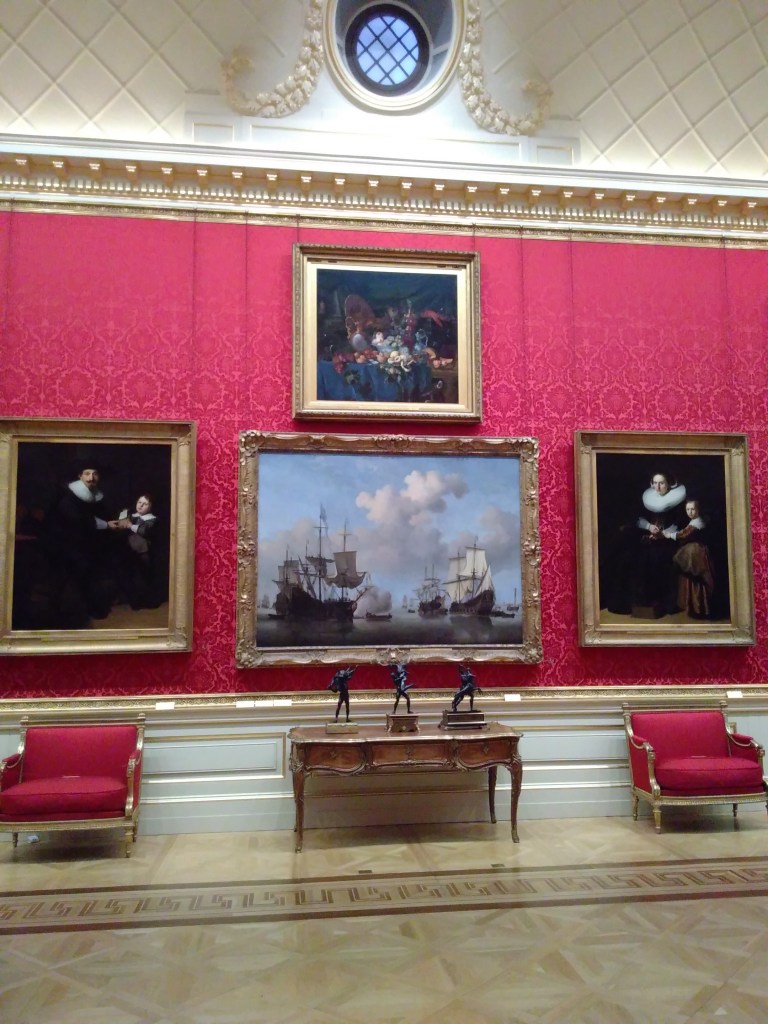
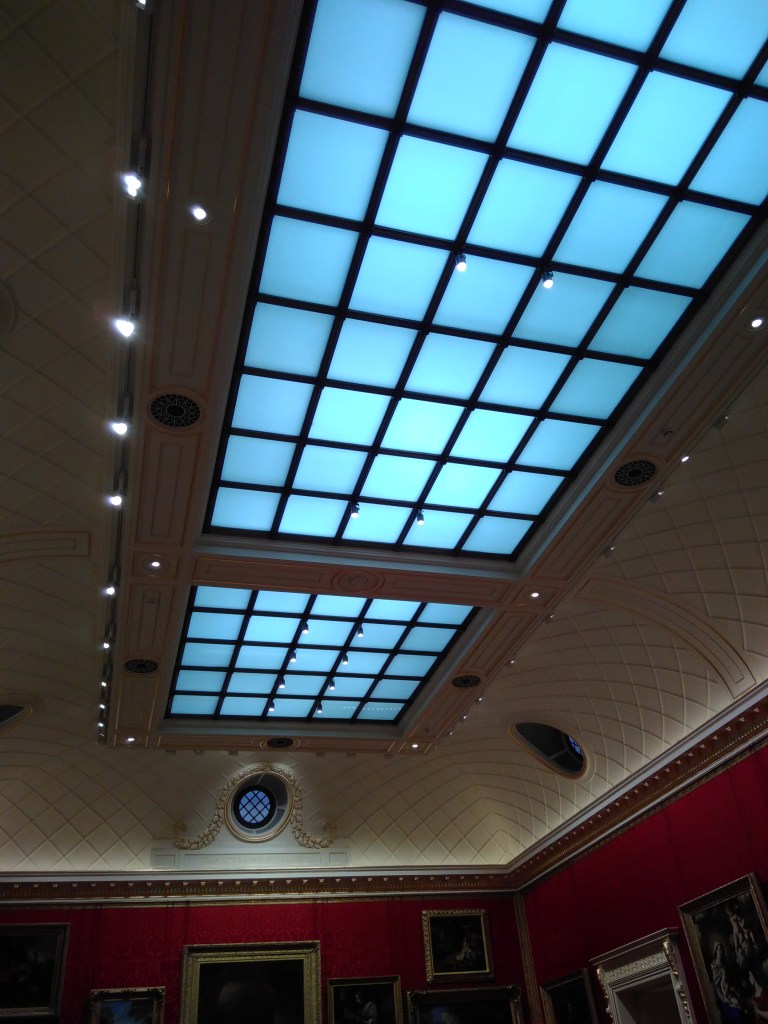
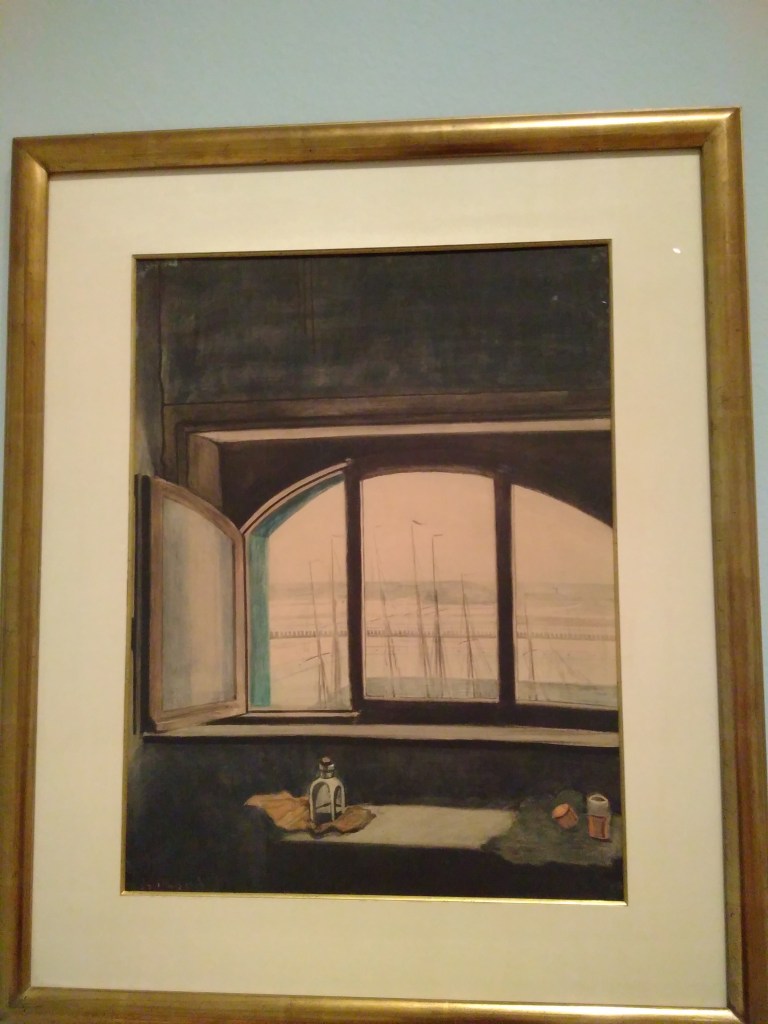
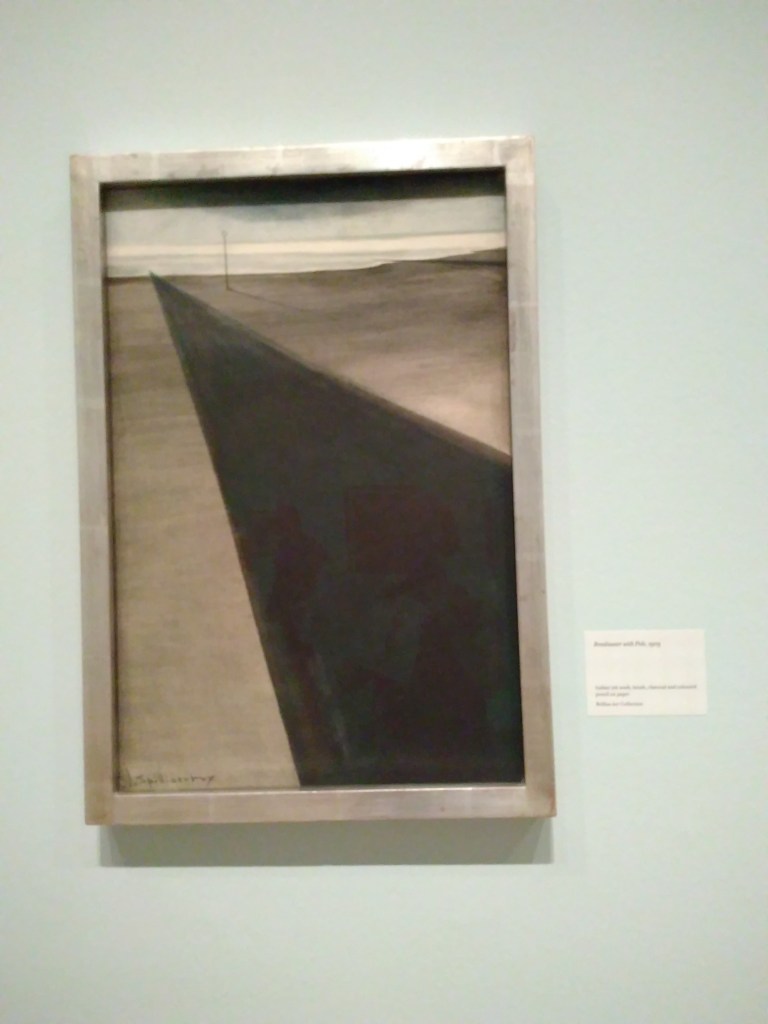
I went to see Leon Spilleart at the Royal Academy, a Belgian artist I didn’t know a great deal about. His paintings are moody and powerful (see below). He was painting at the same time as Malevich (see above) and is pretty much the opposite in terms of style, but both painters have a real emotional effect The first part of the big day out in That London was wandering around The Wallace Collection, a gallery I hadn’t visited before. It’s quite a mixture of Dutch, Flemish, French and British artists, as well as an armory and sculpture. There was a temporary exhibition called Painting for the East India company, which I didn’t have time to visit as well as the permanent collection alongside seeing one of my parents for the first time in a long time.
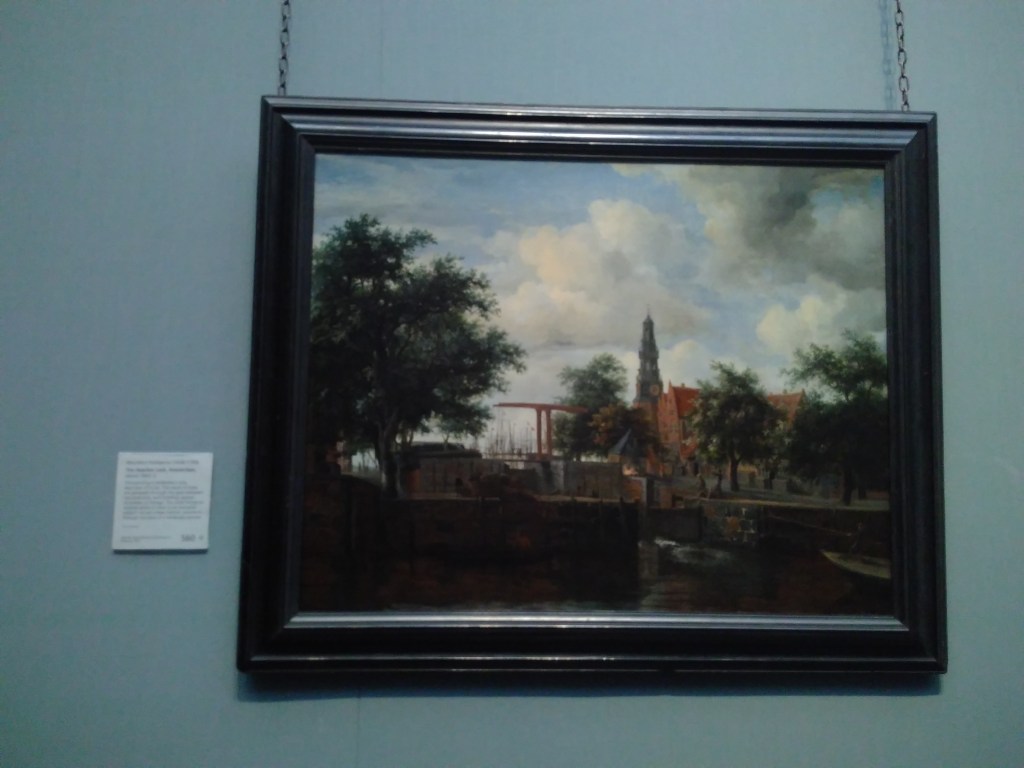
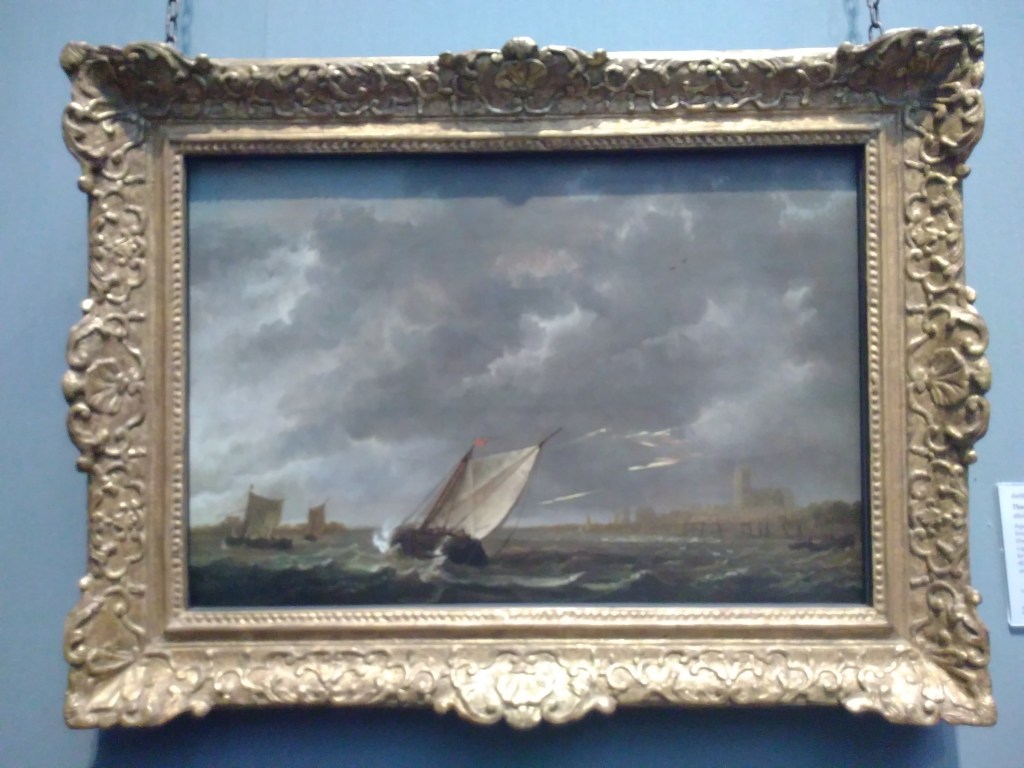
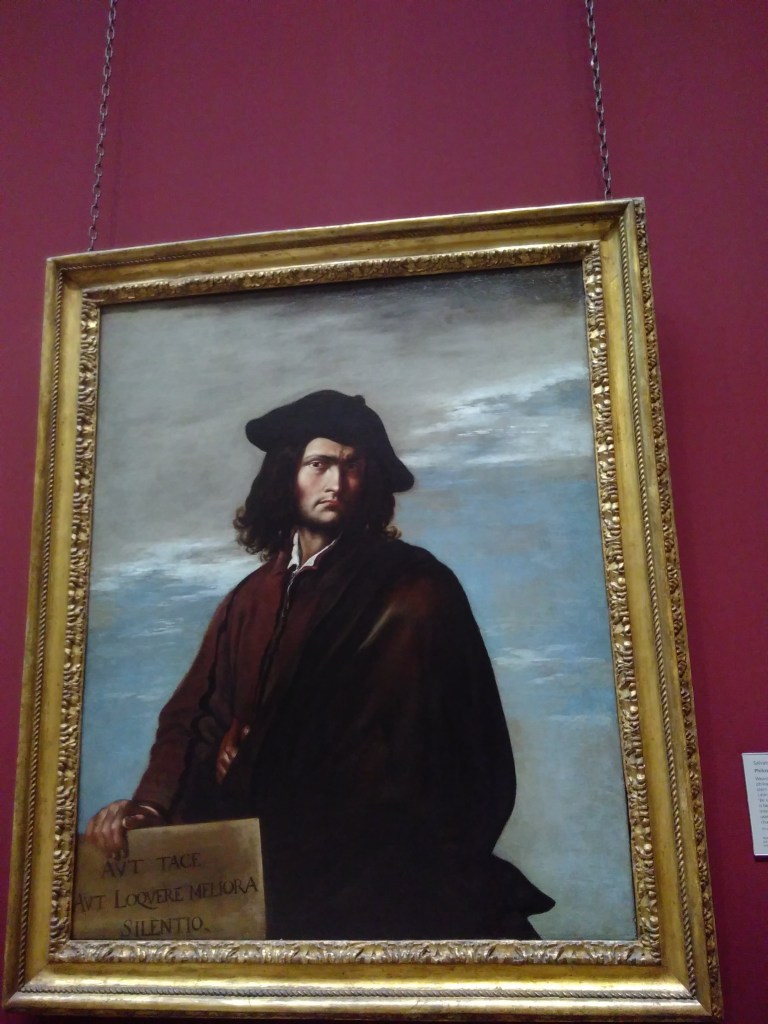
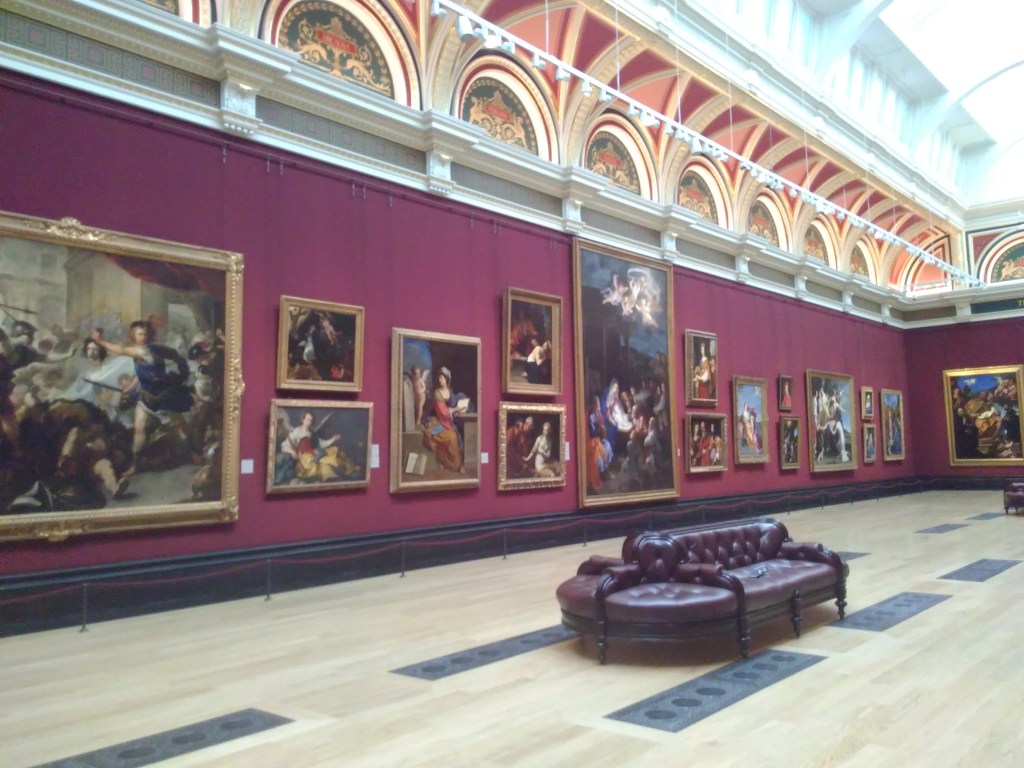
The following Saturday, I was back in That London, this time to spend a lot of time at the National Gallery – I worked my way around 2 of the 3 one-way routes to visit old friends as well as see art newly on display in the permanent collection. I also saw the Titian exhibition – 6 monumental paintings brought together for the first time from a number of different international collections. The National Gallery had some of the Courtauld Gallery paintings on temporary loan, including a Reubens I’d not seen before, a rarer landscape by Reubens called Landscape by Moonlight. Some Dutch/Flemish paintings also caught my eye – there was time and distance to be able to take in the detail of a lot of the paintings in the National Gallery, which I really appreciated. A couple of the views of Amsterdam are not much different today and it was lovely to be able to appreciate the detail that the artist had put in to a city scape that means so much.
Another excitement of the day was seeing the Ordrupgaard Collection temporary exhibition at the Royal Academy – this collection from Norway very rarely travels and was the hot ticket – it took me a number of attempts to be able to get a ticket, hence being in London again so soon after the first trip down. It was well worth it – several rooms of Pissarro, Degas, Gauguin, Delacroix, Courbet, Monet and others, most of which have not been displayed in the UK before. A couple of the Gauguin paintings were from his time in Arles with van Gogh and not ones I’d seen in real life before, so it was a great opportunity to see the paintings and try not to over-imagine was what going on in the background at the time they were painted . . .
Lastly, it was to the Estorick Gallery for Italian Futurist art. I love Italiain Futurist art. I also love exhibitions that are honest about any ties (or not) to Italian Fascism, as this is a tricky part of history and art history. This particular exhibition was about Tullio Crali, a painter who I had seen a few pieces before, but this exhibition laid out his life and development as an artist. He captured key momemts in life and history – the first times aeroplanes were seen over Italy in warfare, dreams of being a pilot as a young man, the technological development of racing cars. It was an excellent exhibition about a very interesting artist, in a gallery that I like very much – a short Tube journey (no TFL bikes nearby) from King’s Cross, so an easy one to end the day with before an evening train back to Hull.
There are other escapades from 2020 that I will write up; in the meantime, it has been good to go through photos and postcards from 2020 and take some of it in in more detail – I’m trying not to get too excited for the 2021 timetable in case there are delays, but it does make me realise how much there is to learn and see and experience, and hope to be back out there again soon.
 All the punks are pushing fifty years and are hardly feared