Ahoy there!
Prague is gorgeous. The greeting is genuine. The Czech word for ‘hi’ or ‘bye’ is ‘ahoj’. To English ears, it’s pronounced like the piratical/nautical AHOY! I’ve had a lot of language fun. Czech, as a Slavic language, has Latin in it and I can make out the odd word from Italian. But I was tickled when I heard ‘ahoj’ for the first time, which was by an excited little girl on the train spotting her family on the platform, translating what I had read on the page into a very familiar greeting (as I want to be a pirate).
The history of the Czech Republic is very much Prague’s history, or perhaps the other way around. Prague has been the setting of popular uprisings and revolutions that have changed the course of history for the Czech Republic, not least in 1968 and in 1989, where Soviet occupation was challenged and overthrown respectively. With this being an anniversary year of the people’s uprising in Prague in 1968, there are a couple of temporary exhibitions from the photography that was smuggled out and published by western newspapers and magazines, detailing how a negotiation between the Czechoslovakian Government and the Soviet regime went wrong very quickly, resulting in Soviet troops as well as troops from other Soviet occupied (Warsaw Pact) states, including Hungary and Poland) rolling in to Czechoslovakia and being an armed occupying force. The photographs show people’s genuine shock – their representatives had gone to Moscow and negotiated concessions such as freedom of the press and some increased Western trade. What they didn’t expect while this was happening that the Soviet army and tanks would arrive, firing on citizens and bombarding buildings, specifically the headquarters of the national radio. People tried talking to the Soviet troops, saying that they were not rebelling nor were they after a revolution and they couldn’t understand why soldiers had arrived when a negotiation was taking place in Moscow. People defended the radio station with their lives and also set up networks to keep broadcasting and resist the Soviets attempts to control the radio fully. After this point, 70,000 Soviet troops were stationed in the country until 1989. The 10 days of uprising in 1989 in Czechoslovakia and in other countries, which lead to the fall of the Iron curtain across Eastern Europe, and the TV footage from the time, help illustrate how Czechoslovakian people felt. In 1918, the Czech and Slovakian people voted for a new country to be formed, and for a socialist Government. People believed in socialism, as written by Marx and Engels. What they got after WWII instead was an occupying force and a corrupt version of communism through the Soviet Union, which put Czechoslovakia under the same doomed regime as the rest of the Soviet machine – 5 year plans that didn’t work, forced nationalisation of farmland and industry that decreased output, gulags and forced labour camps (in Czechoslovakia as well as deporting people to Russia), lack of trade with the West meaning lack of foreign currency for inward foreign trade, a network of formal and secret police that tortured and killed its own citizens and a network of poor informants between citizens, leading to satirical art such as a spoon with ears, because what around here doesn’t have ears?
Prague has an excellent museum on the history of the city, as well as the Communism Museum. It is also home to the National Art Gallery and the National Technical Museum, all of which help tell the social as well as artistic and technological history of the city and of the country.
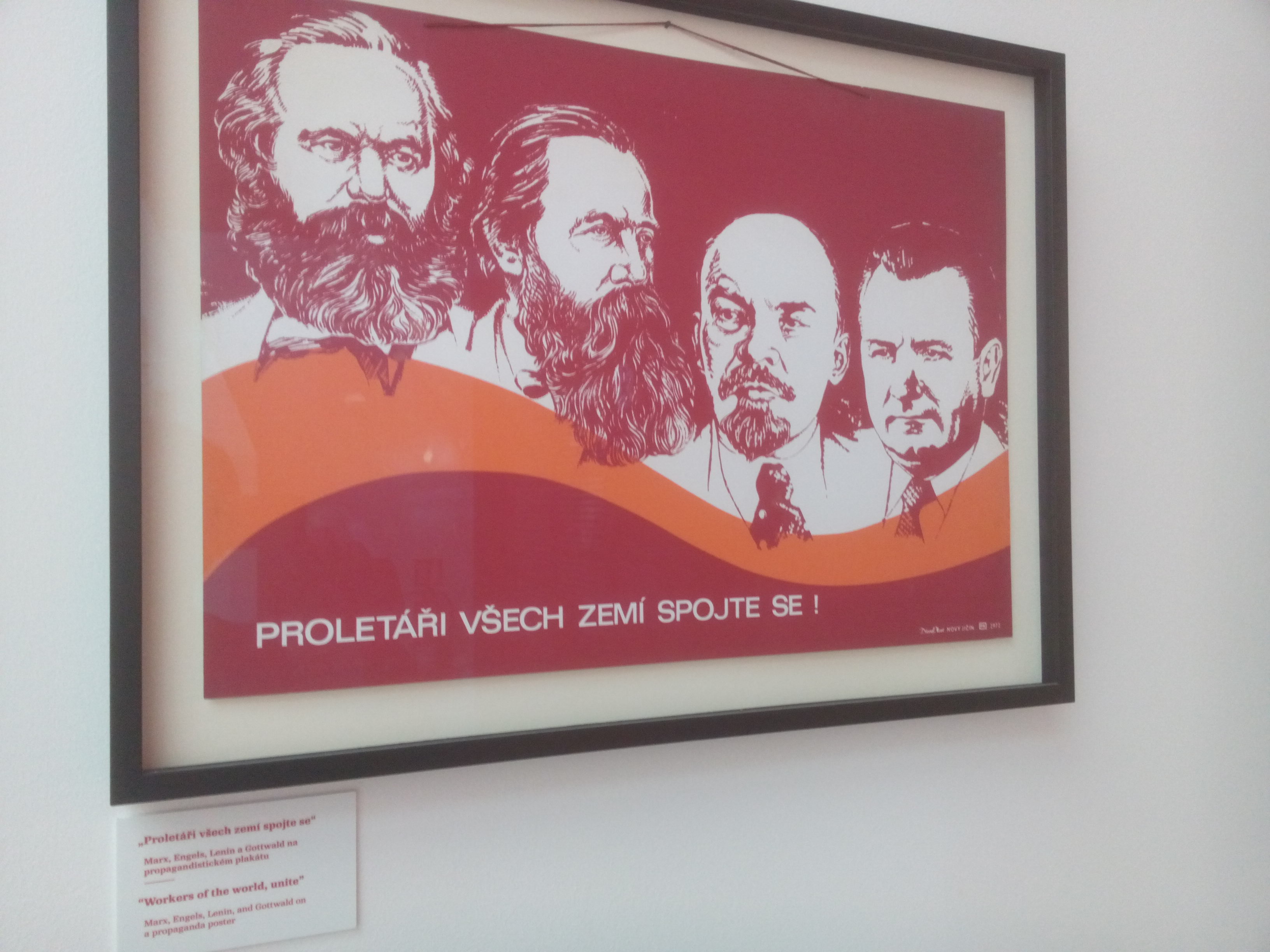
The first photo is indeed ‘Workers of the World Unite’.
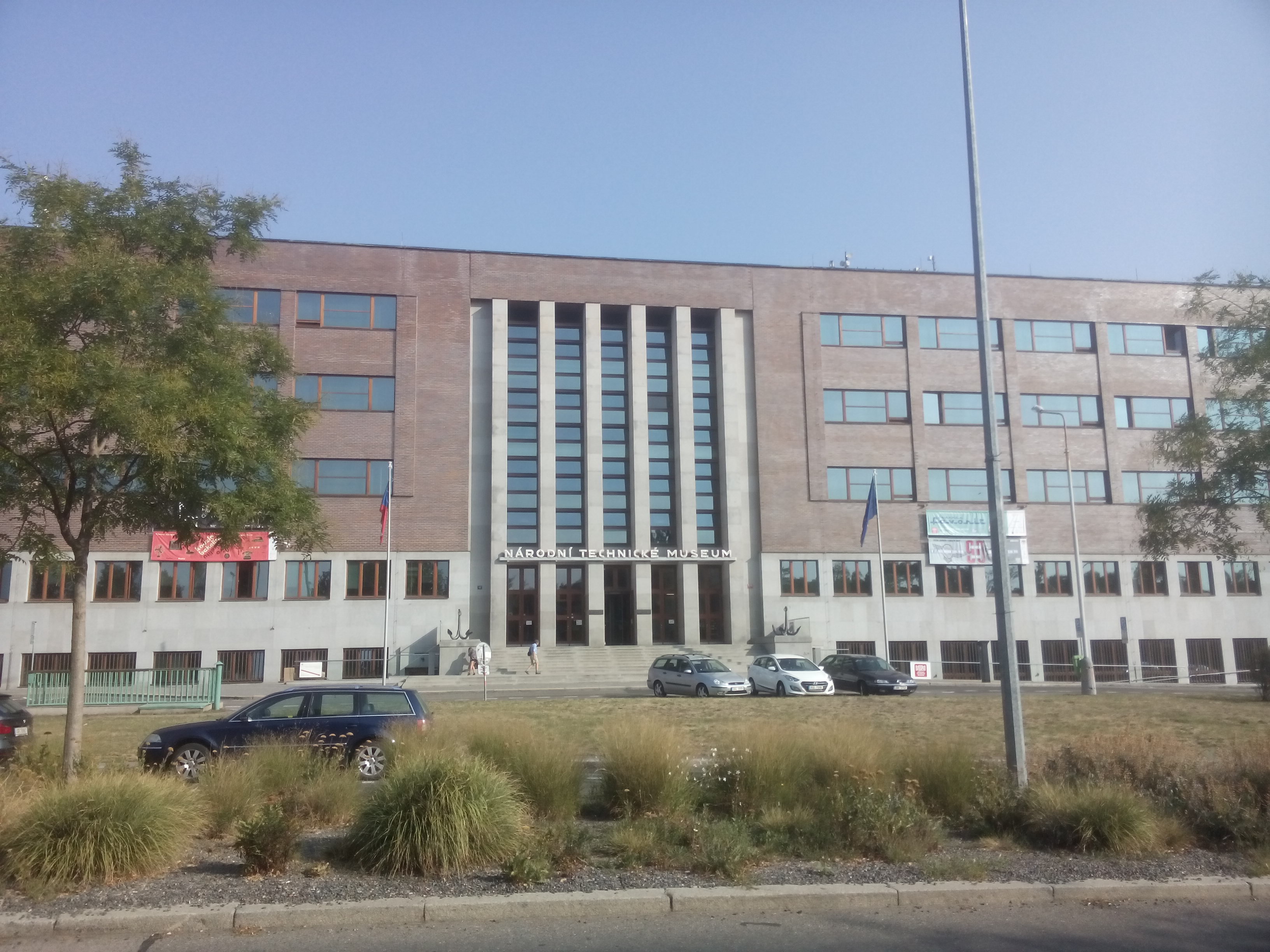
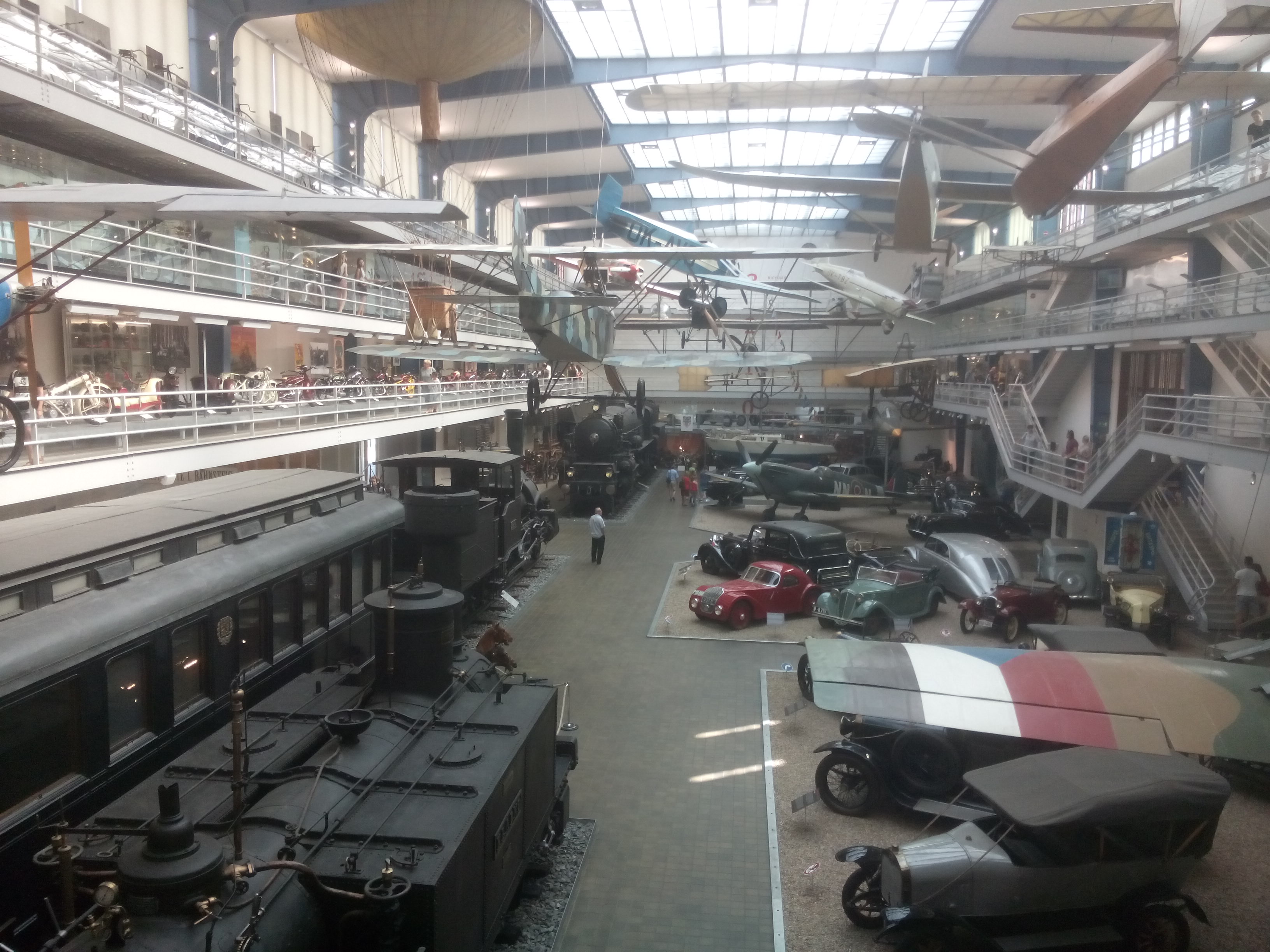
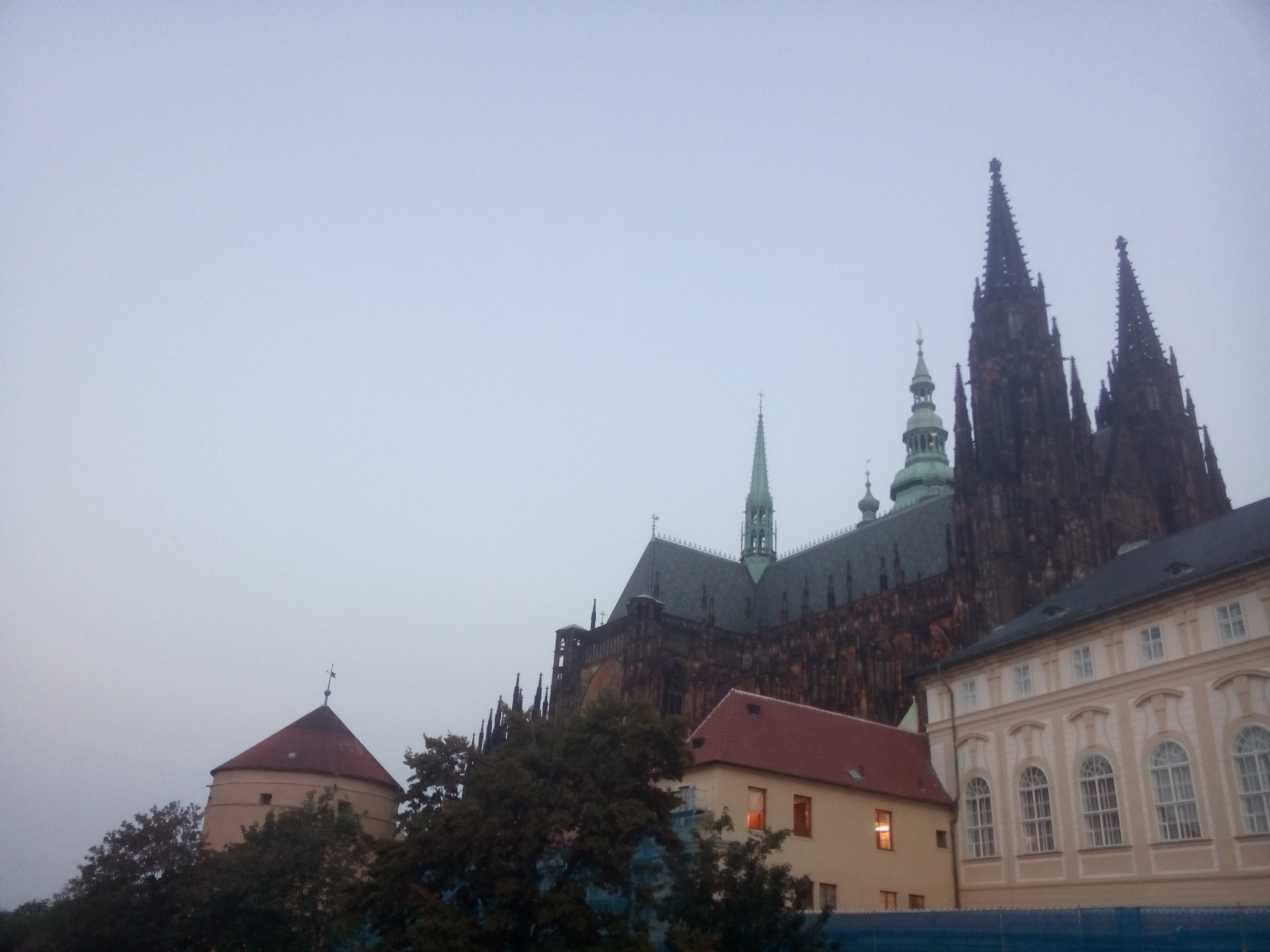
I’ve spent the last two days buried in these museums and really loved them. Parts of the National Gallery were shut, which is probably a blessing as I was only just through the sections on Czech artists that were on display when it was coming up to closing time. I have had time to get outside as well – the super-touristy parts of Prague are gorgeous and are worth a visit, even at this time of year when certain parts of town are just full of tourists. There is a lot of Prague to visit that is interesting and not jammed full of people, too. For example, the national gallery and technical museum are in a part of town that is away from mass tourism – the next nearest landmark is Sparta Prague football stadium. Surprisingly, these two museums are not even marked on the tourist map given away by the hotels or outlined on the metro map, however they both had good numbers of visitors, including a lot of folks from different countries, so they do get a pull of visitors, but not over-run. It was great being away from the crowds today but also only being only 4 tram stops away from Prague castle, where I took in the views and ate my tea sitting one of the very pleasant parks around the castle. The tram journey around the castle is awesome – the tram goes up the side of the hill of the castle, taking on two hairpin bends; I’ve not experienced that on a tram before and the descent in particular was a lot of fun.
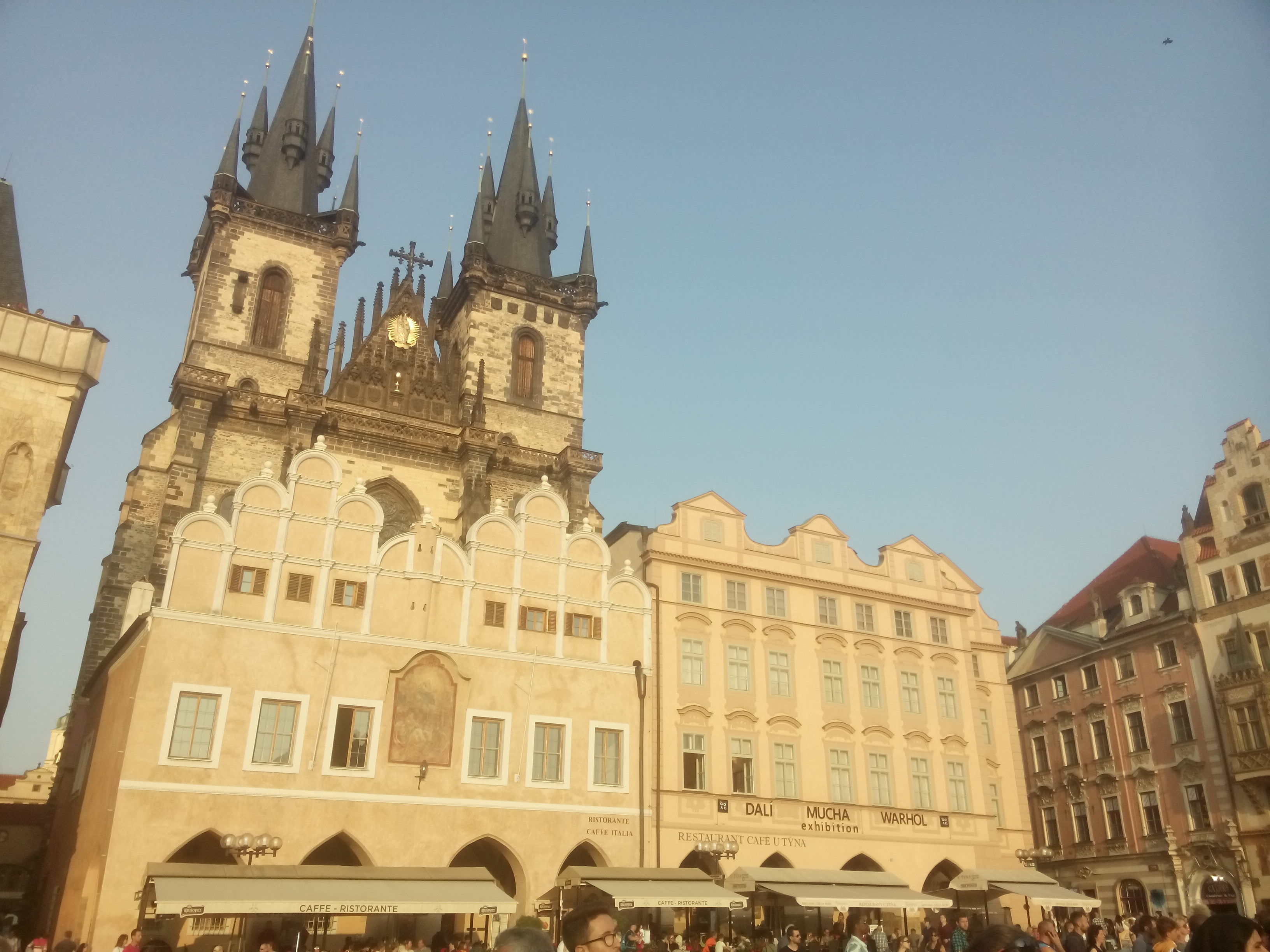
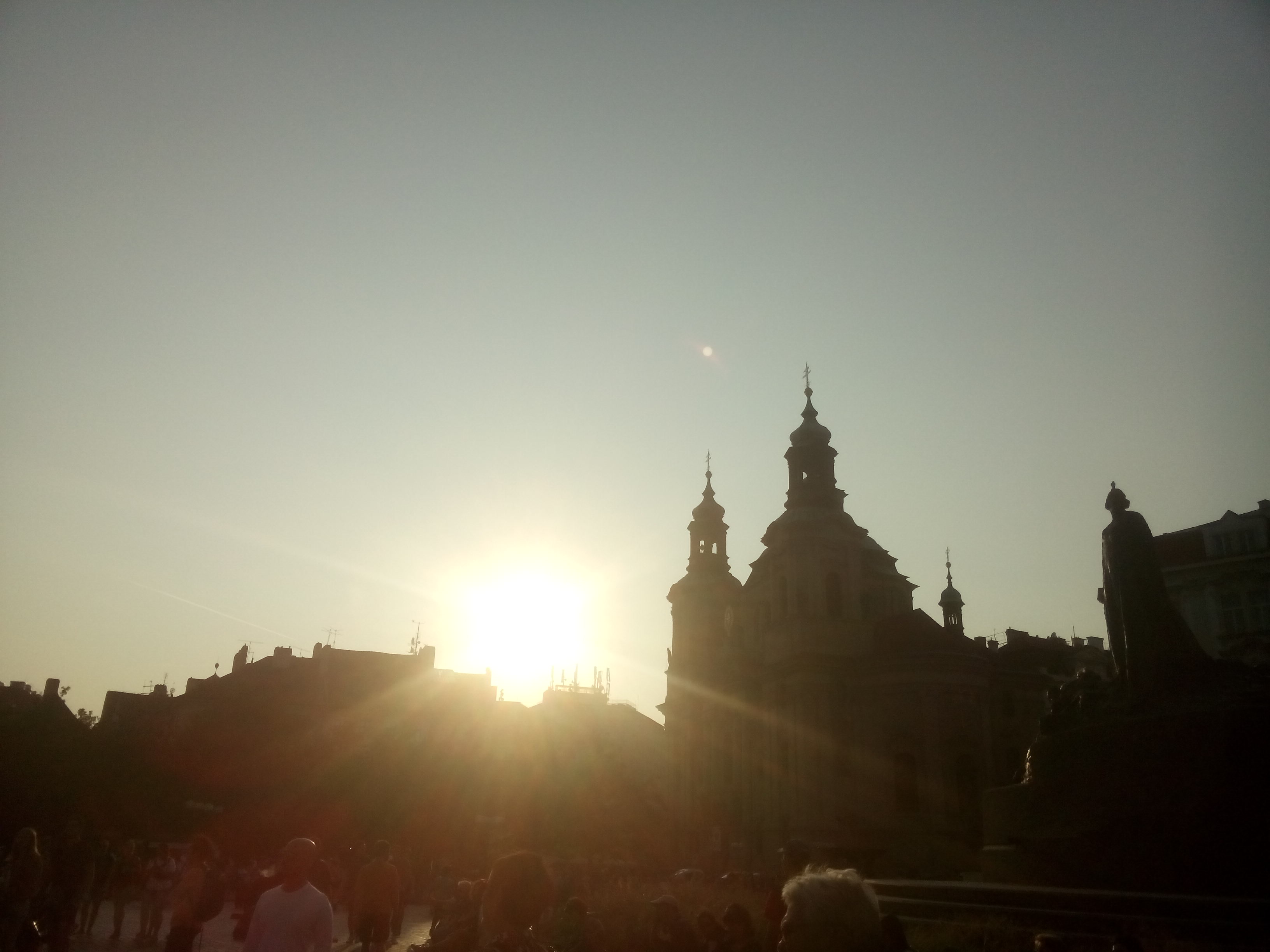
It’s also a town of performing arts; the national opera and a number of theatres are here and had I been here for longer I would have attempted a production of Faust (I understand the story even though I would not understand the dialogue). There are a lot of concerts in churches and I took in one on my first evening here as I was passing through the town square – an hour of a brass band with church organ accompaniment playing a varied programme from Bach to Gershwin. As I was leaving, a piano player was set up in the square, playing some Beethoven then some Debussy, brilliantly. On St Charles bridge, a string quintet was playing their own versions of modern songs (a la 2Cellos) again very well and this evening, a miniature version of Stomp was playing outside the metro station I was entering. Whilst this might seem like busking that you get in any city, it was of a level that I have seldom experienced and I hope it reflects that artists want an audience here – and it is handy that there are a lot of tourists with loose change they don’t understand. I’ve quickly learned the 27 times table (27 Czech Krona = 1 Pound Sterling – the guy in the kebab shop** earlier joked that the price of the falafel wrap was 99 Euros for the lovely English lady; I duly handed over a 100 Krona note (£3.70) and joked that 99 Euros had better be the best falafel wrap EVER. He bothered to give me the 1 Krona change (about 4 pence). I gave it and some other change to the drumming guys down the road.
** Kebab shops – I have found myself in this and a number of other cities getting falafel wraps for tea, as a quick and fairly healthy way of getting some cooked food. Cooked, in that the falafels and the bread are warmed up, but most of the wrap is lovely fresh vegetables. Also, it’s hard for someone to fuck up a falafel wrap in terms of taste, or give you food poisoning from it, and Turkish and North African food seems to have become a staple all around Europe, so it’s quickly become a cheap and tasty cornerstone of my travels. For those in London, if you haven’t tried King of Falafel, available on Judd Street close to Kings Cross and Russell Square, with outlets across the city, then do, even if it’s just for the name.
Today is the last full day on the travelling section on this career break. I fly (boo) back to the UK tomorrow and have a number of volunteer days lined up, which I will also share, moving on to managing the Youth Hostel at Slaidburn with J in the second week of September.
I have loved the freedom of travelling for 2.5 months, and the liberty of being able to come home during it. The opportunity to learn so much in a short amount of time has been a privilege. Have I become the more tanned, more happy, more rounded individual has predicted by my boss? Yes, definitely, and I still have 2 more weeks of doing and learning to share here, too, although I understand the weather in the UK will not keep up the first proper tan I’ve had since I was a child. Ach well.
There is a lot of reflect on and I will be writing up more from this experience with photographs I haven’t had a chance to share, too. I’ve also racked up quite a reading list that I will also share. You poor things – I’ve had a lot of encouragement about this blog, so there will be some more.
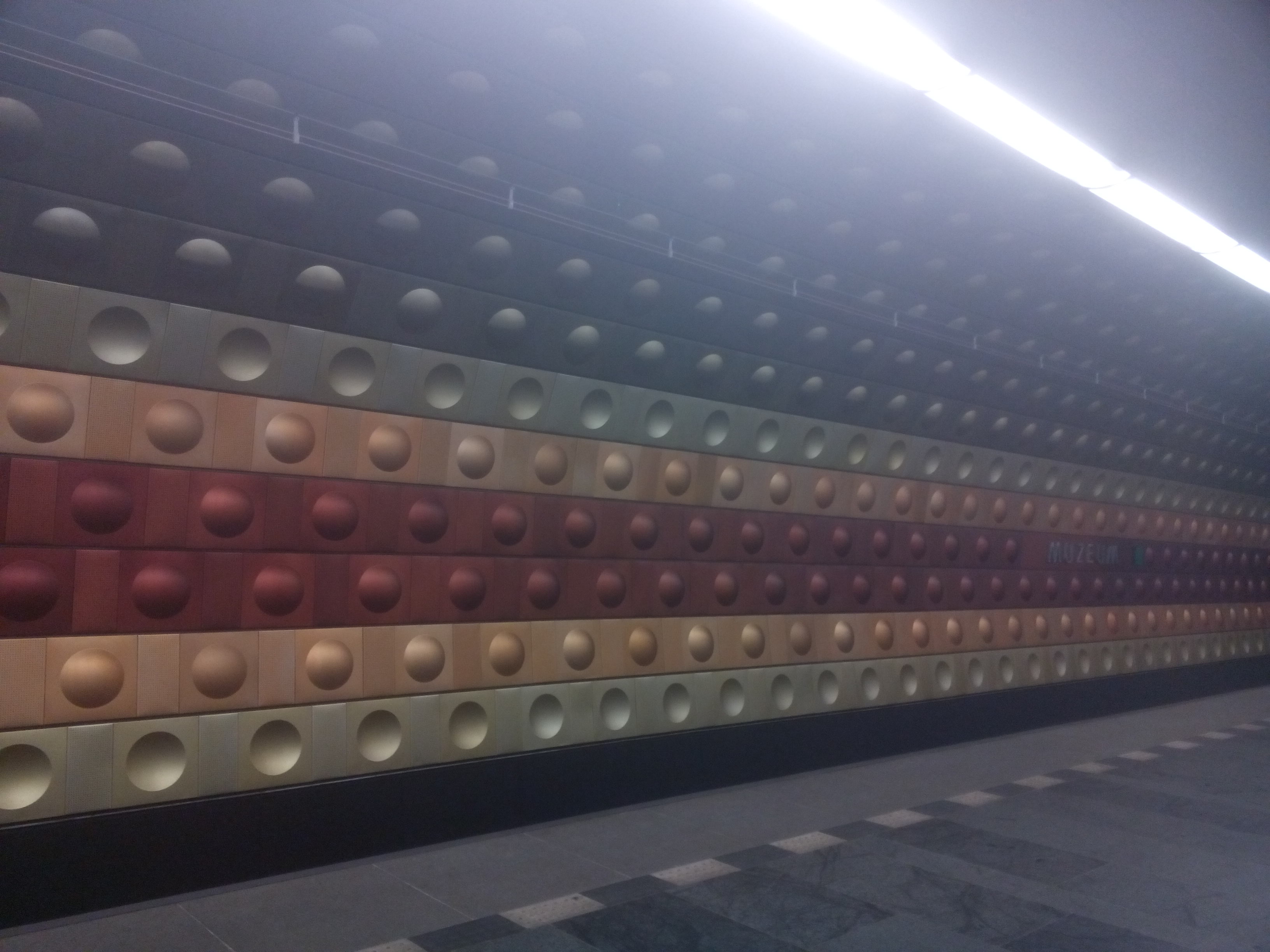
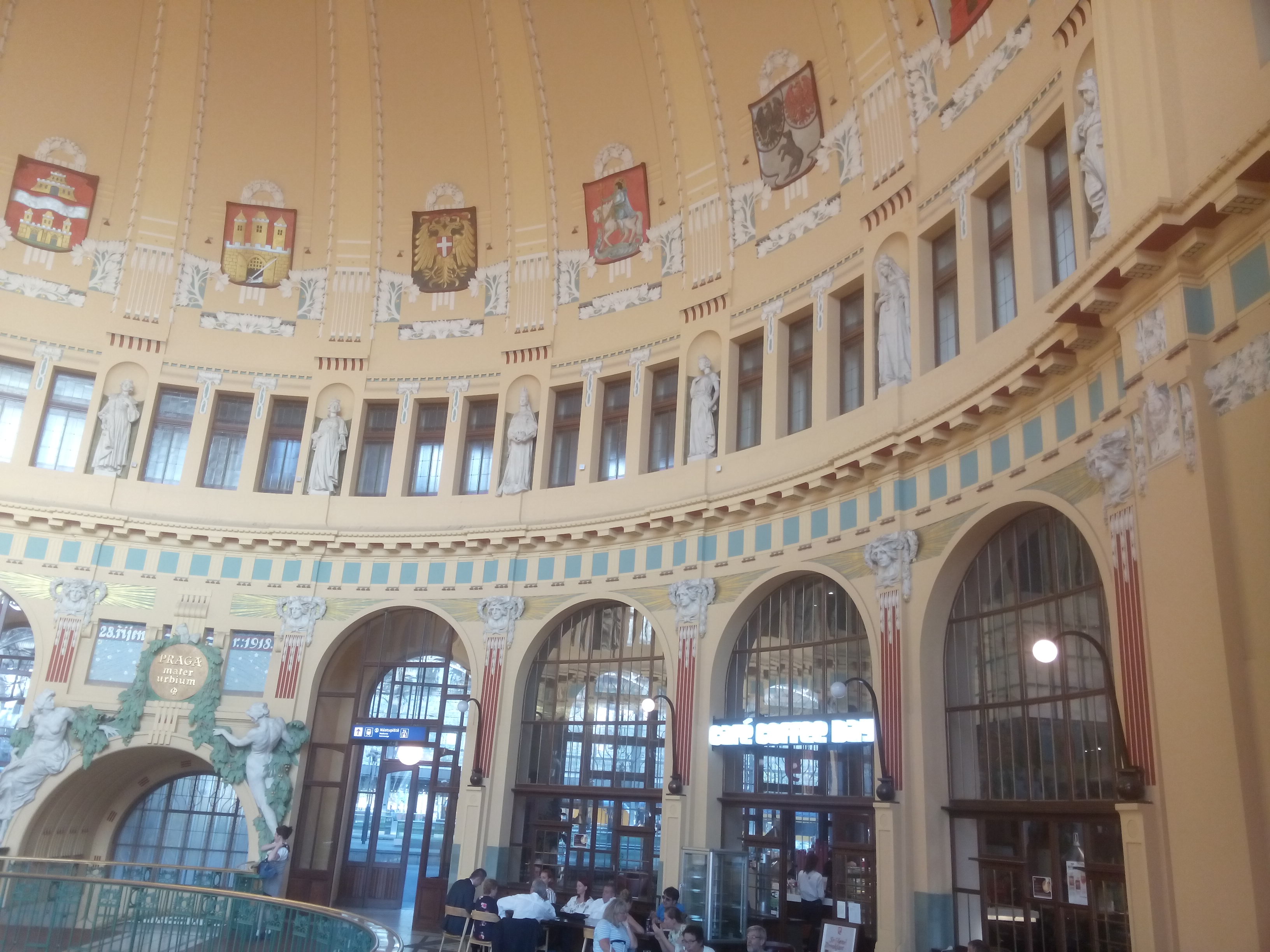
In the meantime, here are some more photographs of lovely Prague. Yes, they are both of public transport. However, the Tardis-inspired interior of the Prague metro is a wonder for all to enjoy; the other photograph is of the historic part of the main station building. As recommended by the Man in Seat 61, I can see why.
See you back in the UK.
 All the punks are pushing fifty years and are hardly feared