It was the band Queen, and in particular, Freddie Mercury’s love for Montreux, which brought me here. Mountain Studios, which Queen owned from 1979 – 1993, was home to the band for six albums, including Made in Heaven, the vocals for which Freddie recorded in the last year of his life. The studios were sold to the Chief Sound Engineer, David Richards, who worked with Queen and many other artists in Mountain Studios and who had worked at the studios since they were built in 1976. The studios are located in the Montreux casino building; the original casino building burned down during a Frank Zappa concert being held there in 1973, when a fan let off a flare gun. The resulting fire is immortalised in Deep Purple’s Smoke on the Water – Deep Purple were recording in a hotel down the road and saw the inferno. By the time the casino was rebuilt, the studio building was encompassed into it. The studio has hosted many artists, including many who have passed through Montreux as part of the annual jazz festival.
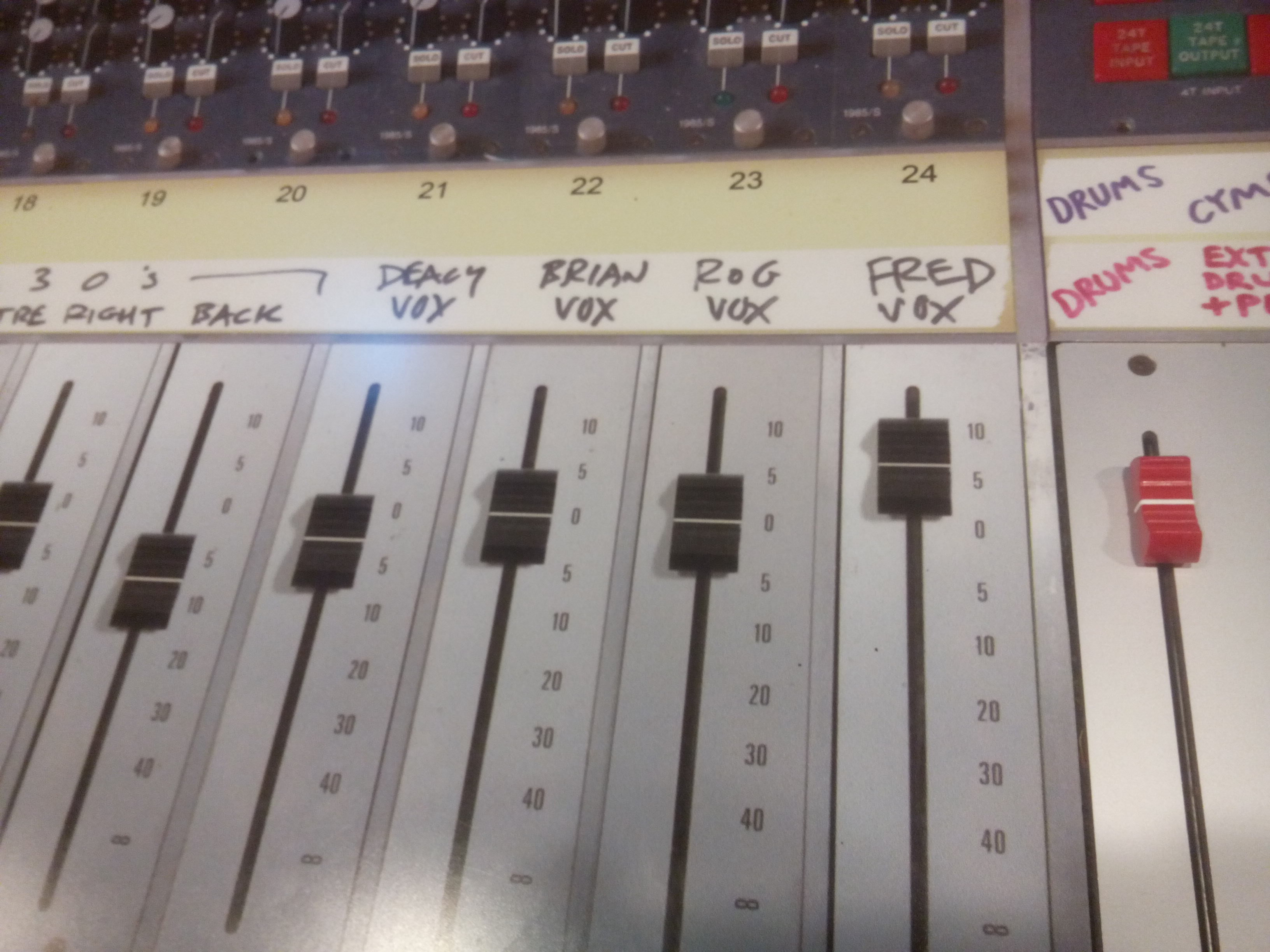
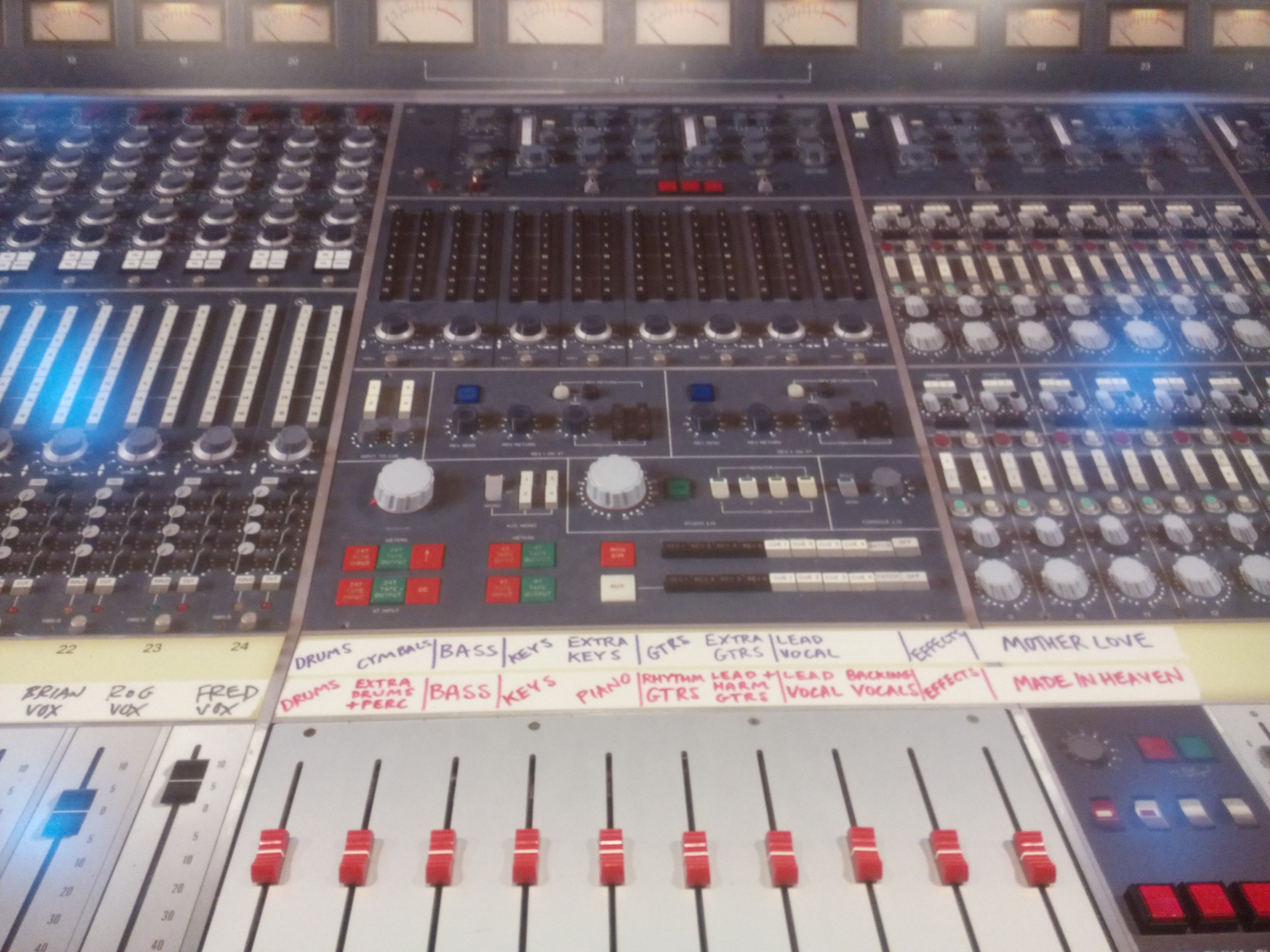
Since 2013, the studios have been home to the Queen Studio Experience. The sound engineering studio is exactly the same as it was in Queen’s day, with the only exception that the mixing desk is a replica (the original still in use in Copenhagen). The recording studio was located above the sound studio and is now part of the casino; the space next to the sound studio has been given over to a permanent exhibition about the time Queen spent there. The vast floor space of the casino you see when you come in used to be partitioned and hosted live bands as part of the jazz festival until 1992. It was rigged with 54 microphones that fed in to the sound studio, which meant that bands could play in a larger set up and record live when they wanted. You can hear the space in some of Queen’s tracks, particularly ‘Innuendo’, which was written and brought together as a song as a live piece originally.
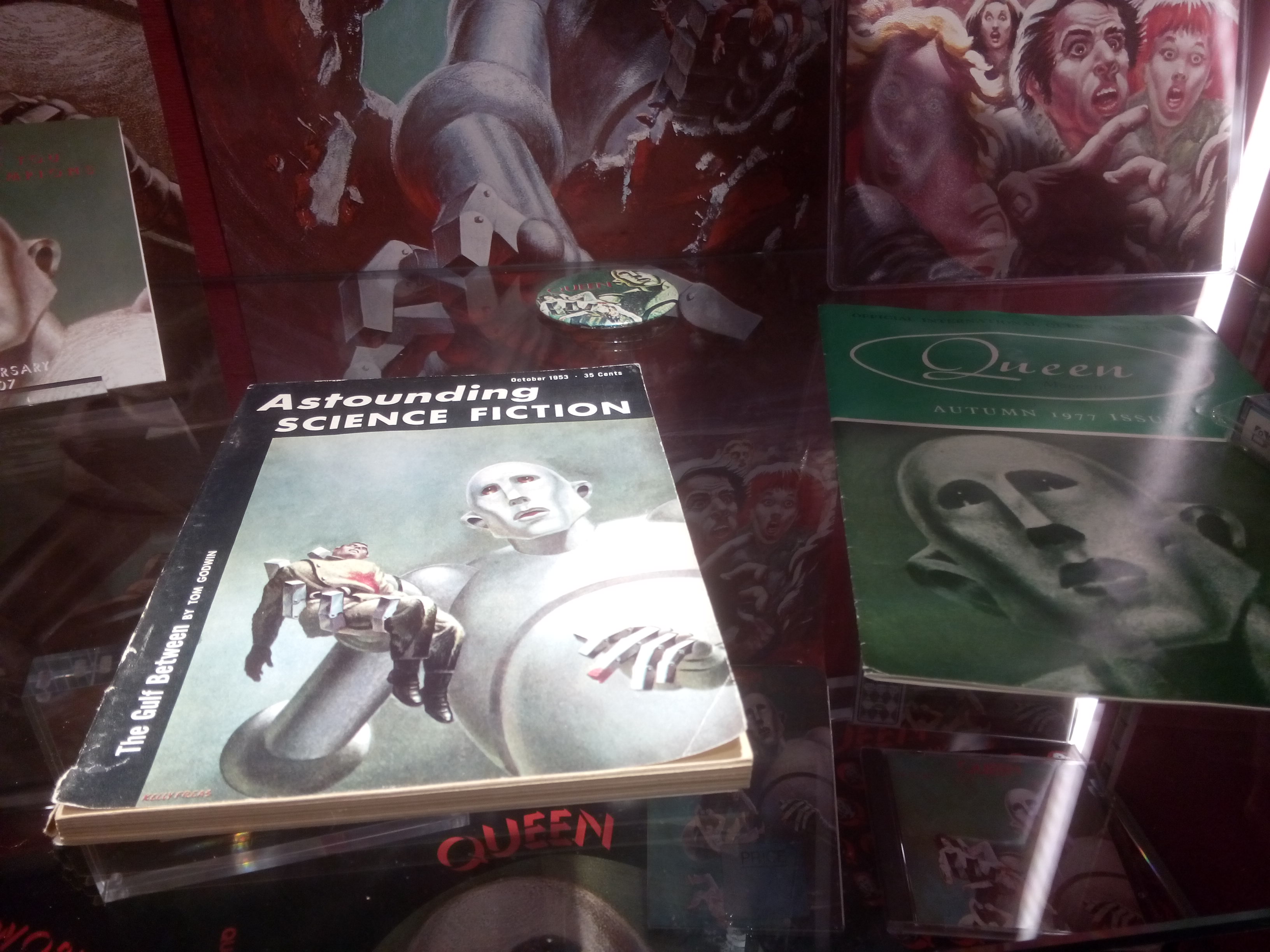
There is a lot to see and experience in the studio exhibition. Brian May and Roger Taylor were a big part in putting it together; most of the exhibition cabinets hold pieces from Brian May’s archive, and he has kept a huge amount from Queen’s whole career, including hand-written lyrics on the scraps of paper to hand (hotel stationery, note pads from service stations), as well as souvenirs from their tours and some of the more unique items, like a BT phone card advertising Queen’s album, The Miracle. He also has the original science fiction book cover from which ‘The News of the World’ cover was taken, which is one of my favourite albums and album artwork.
Like many fans, I grew up with Queen’s music almost from the day I was born. Mum had Killer Queen on a cassette and it is one of the first songs I remember. My brother bought a copy of Greatest Hits I, also on cassette, and my own collection (thanks to tape-to-tape copying) and love of Queen started. Something that had a big impact when I was 9 years old was the release of I Want It All. I remember watching the video for the first time on the ITV Chart Show, which used to be early on a Saturday morning; the power and glorious sound of the song, the band just taking up the stage and the confidence of it all really stuck with me. I also remember the newspaper headlines when Freddie Mercury died. I was already not a fan of tabloids, but if I didn’t already despite the gutter press, particularly after Hillsborough, I really did when they hounded and hounded someone who turned out to be a dying man. It was a powerful lesson for me when I was 11 years old.
In the course of the last 20 years, I’ve bought more Queen albums and loved the documentaries and interviews that have been released. One documentary, detailing the making of A Kind of Magic and the tour, includes studio footage, which was Mountain Studios. I stood in the space today where you see Roger Taylor bouncing in his chair while Freddie tries to find more words that rhyme with ‘vision’. The hand-written lyrics for One Vision are on display, including the classic closing line: ‘just gimme, gimme, gimme . . . fried chicken.’
I also stood in the space where Freddie recorded his last lyrics, which is marked by a plaque. He recorded his lyrics in the sound studio itself, rather than in the recording studio upstairs. When you’re sitting at the mixing desk, he stood behind you, to your right. His last recording session was for the lyrics of Mother Love, released on the Made in Heaven album. Brian May recounts this recording session in a few interviews, including one shown at the studios. He describes the way Freddie downs another vodka, never complaining about his obvious discomfort, and his voice on this song just soars. It really does. Part of the wonderful experience is being able to sit at the mixing desk and choose between two tracks, Mother Love and Made in Heaven, and mix the sound levels. I turned Freddie’s vocal up to the max and it is just beautiful. I may have cried a little. Being able to push up the drums and the bass on Made in Heaven is also glorious in a quad sound (before 5:1 sound) studio.
There a lots of interesting stories shared in the studio experience and I won’t recount them all here. Suffice to say, as a fan, I have had a wonderful day. The wall outside the studio is a fan tribute wall and you are allowed, in fact encouraged, to write on the wall. I left a little note of thanks.
The band bought the studios originally as they wanted their own studios with a sound team they trusted, and Montreux had given them good experiences. Freddie then bought a house in Montreux and grew to love the town as it was quiet – in stark contrast to the infamous Munich days – and he was also able to get away from the tabloid press; in the last two years of his life, he was being followed to the point that cameras were being pushed through toilet windows to try to get a shot of him. The cover of the Made in Heaven album is the view across Lake Geneva from Freddie’s first house in Montreux, the Duck House. He then bought an apartment nearer the studio; near to which there is a bench.
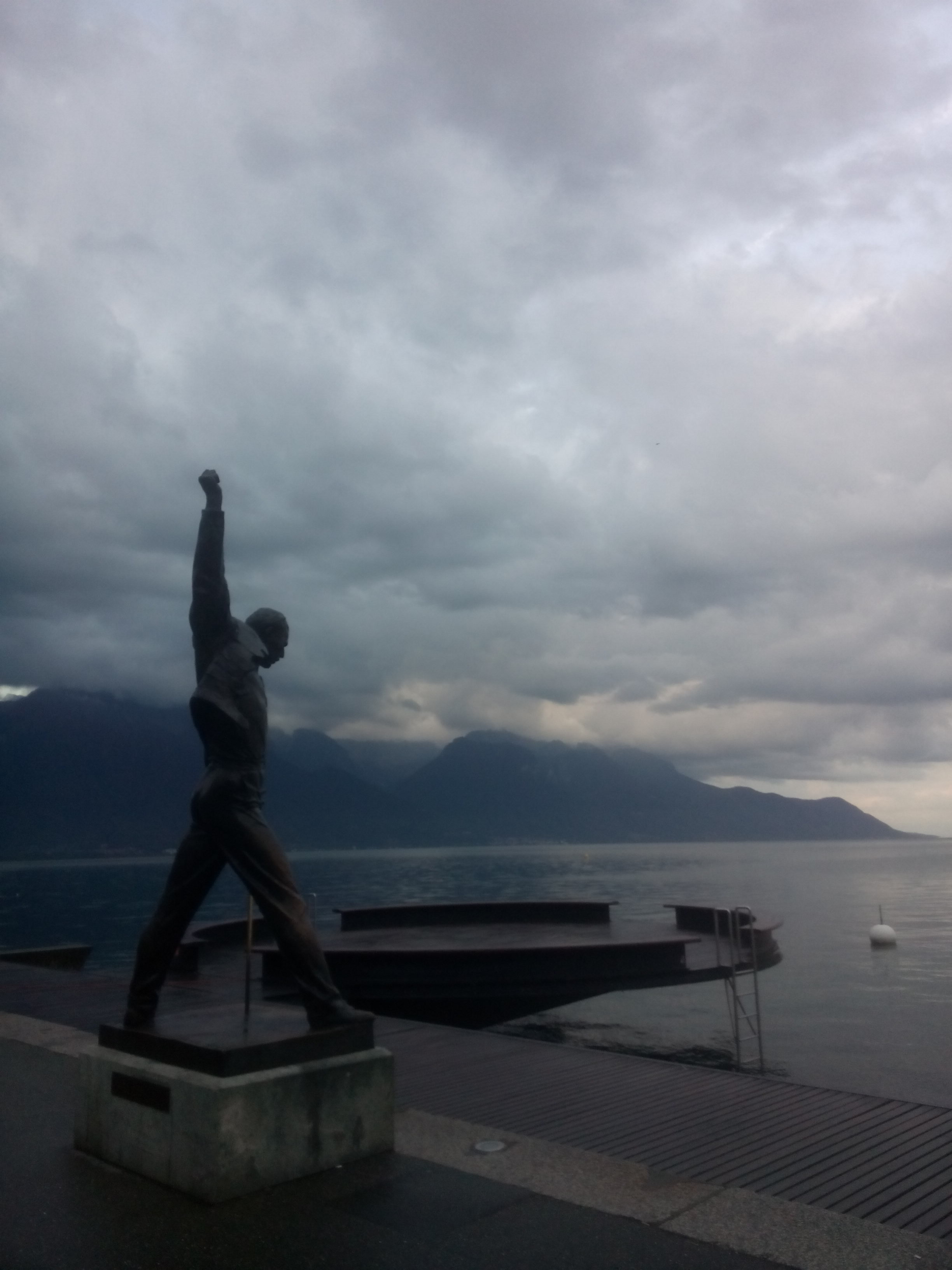
Montreux has been home and/or the much frequented destination to a number of writers and artists over the last 300 years, including Rousseau, Byron, Gambetta, Oskar Kokoschka, F. Scott Fitzgerald and many others. Where it is known where they stayed or a scene they describe in a work, Montreux has put a bench there with an outline of the person and a bit of a biography about their life in Montreux. Freddie’s outline is quite distinctive. I was also really pleased to see the bronze statue, also on the Made in Heaven album cover, which was erected not long after his death and dedicated to the town and to Queen fans by Brian May and Roger Taylor together with Freddie’s parents.
Montreux, even for those who are clearly wrong and not bothered about Queen, is a wonderful town. It is glorious for its views and has an interesting history, which mirrors the development of this part of Switzerland. It is told at the lovely Montreux Museum, itself housed in a wine merchant’s buildings, which was a large part of Montreux’s economy until tourism started en masse in the 19th century. Roads and railways turned Montreux in the a flourishing tourist spot, already doing well as a trade post, particularly as tourists wanted to experience the calm waters and views of the lake, as well as experience the places of the tales of Byron and Rousseau. There is an old town that is well worth an explore and a funicular! And a narrow gauge railway further up in to the mountains! I was very much in luck with the Montreux Museum – there is a different theme for a temporary exhibition each year and this year’s theme is the development of public transport in Montreux. I was very much in heaven museum-wise as well as music-wise today.
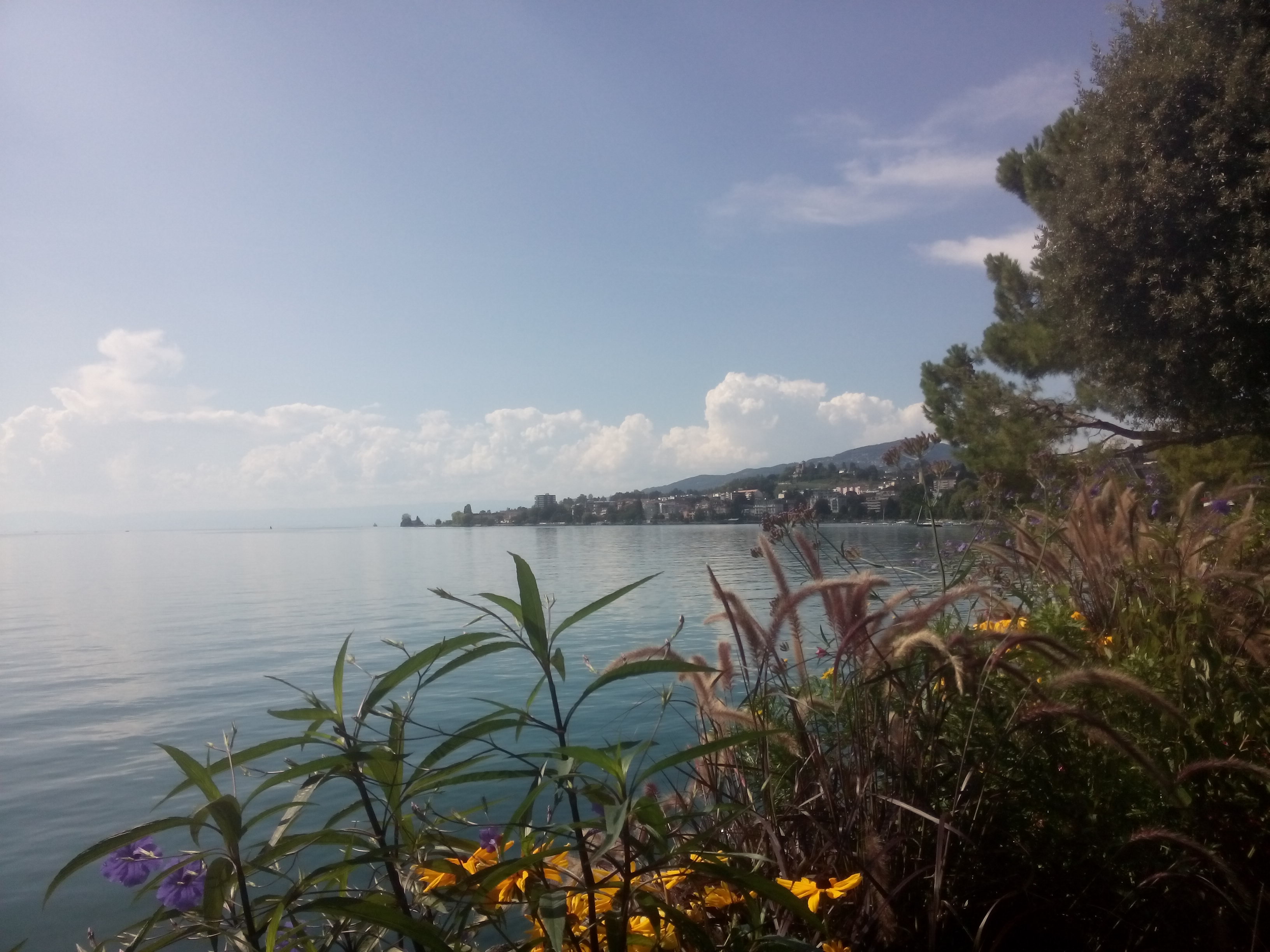
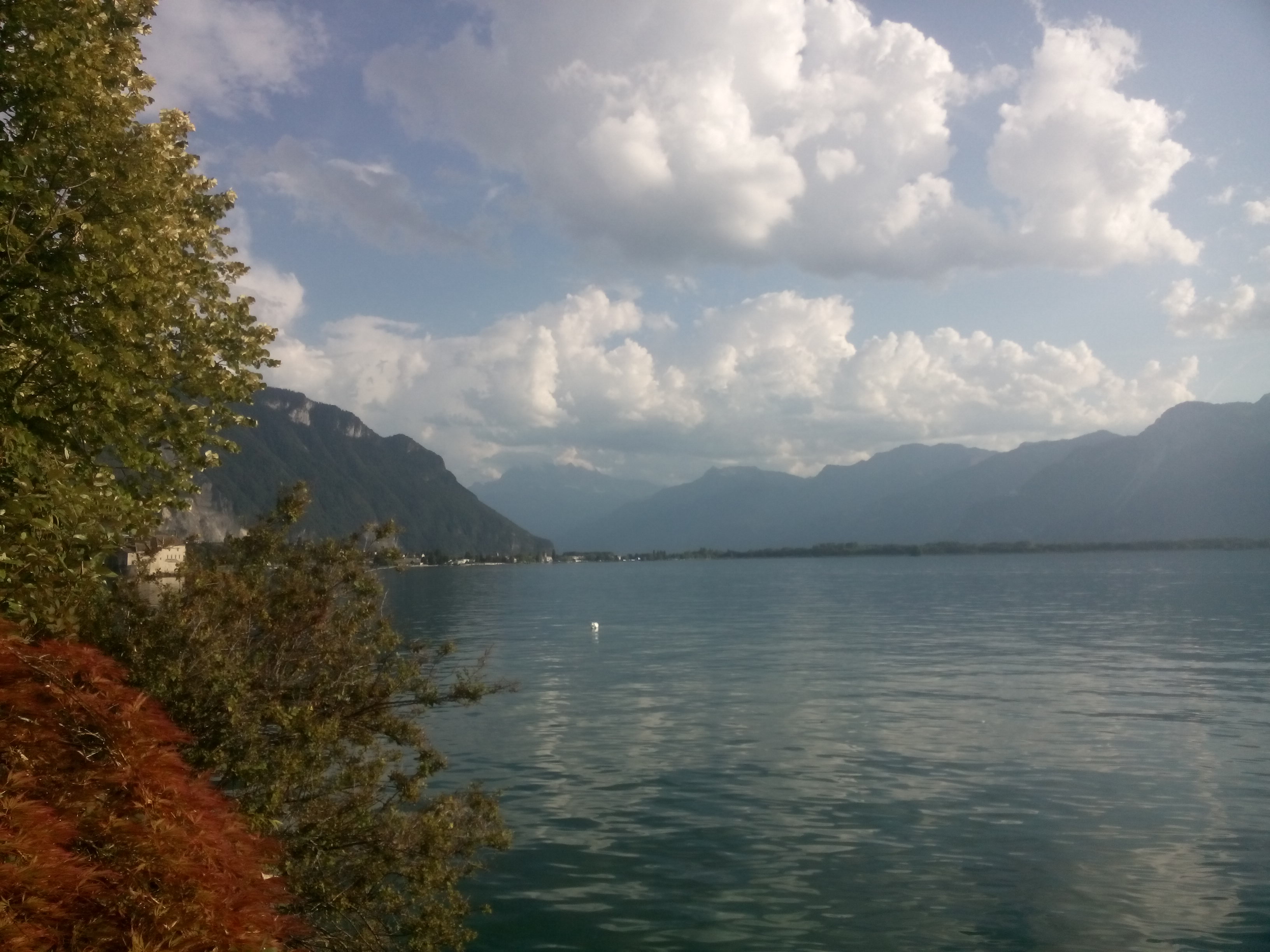
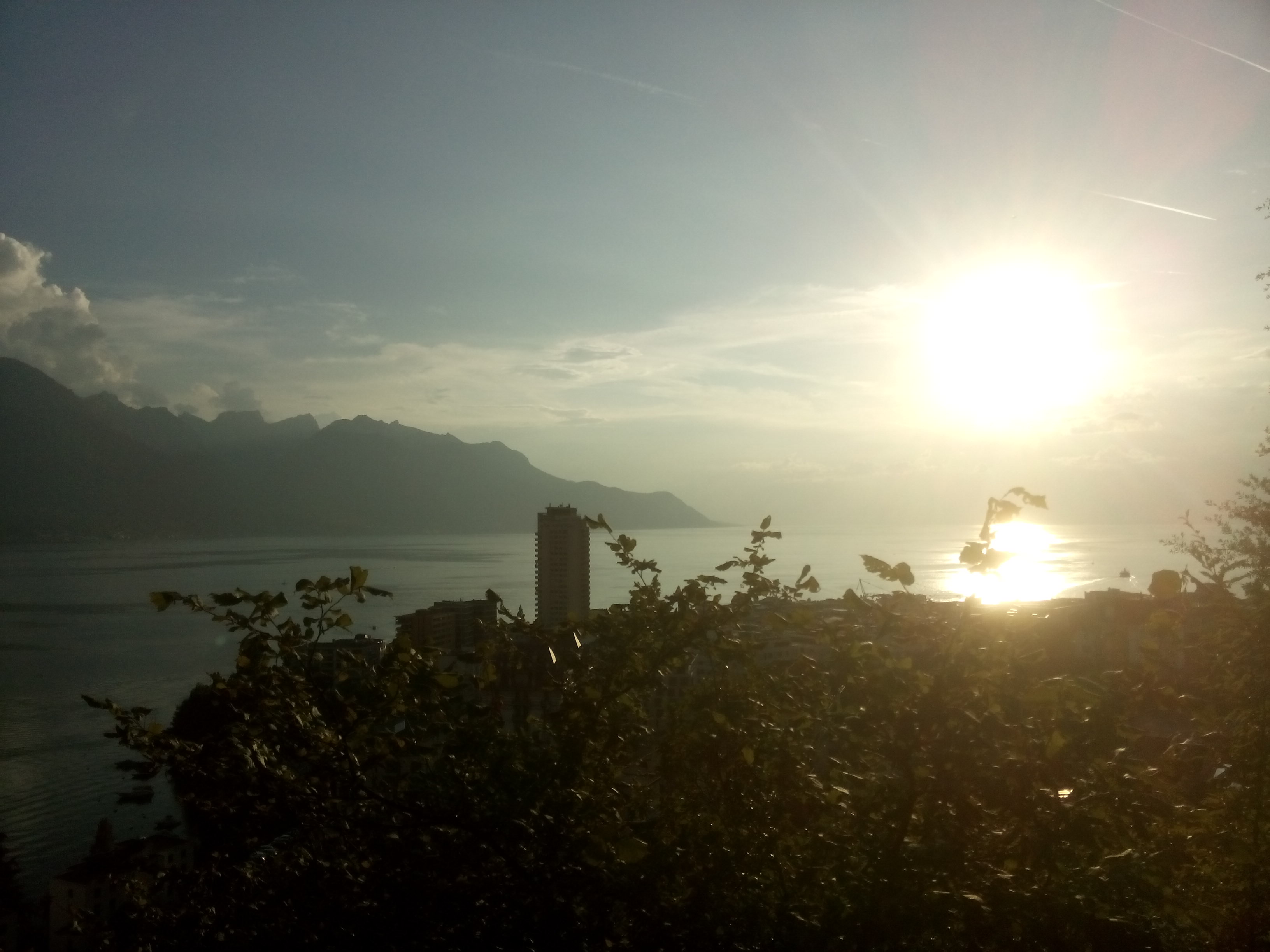
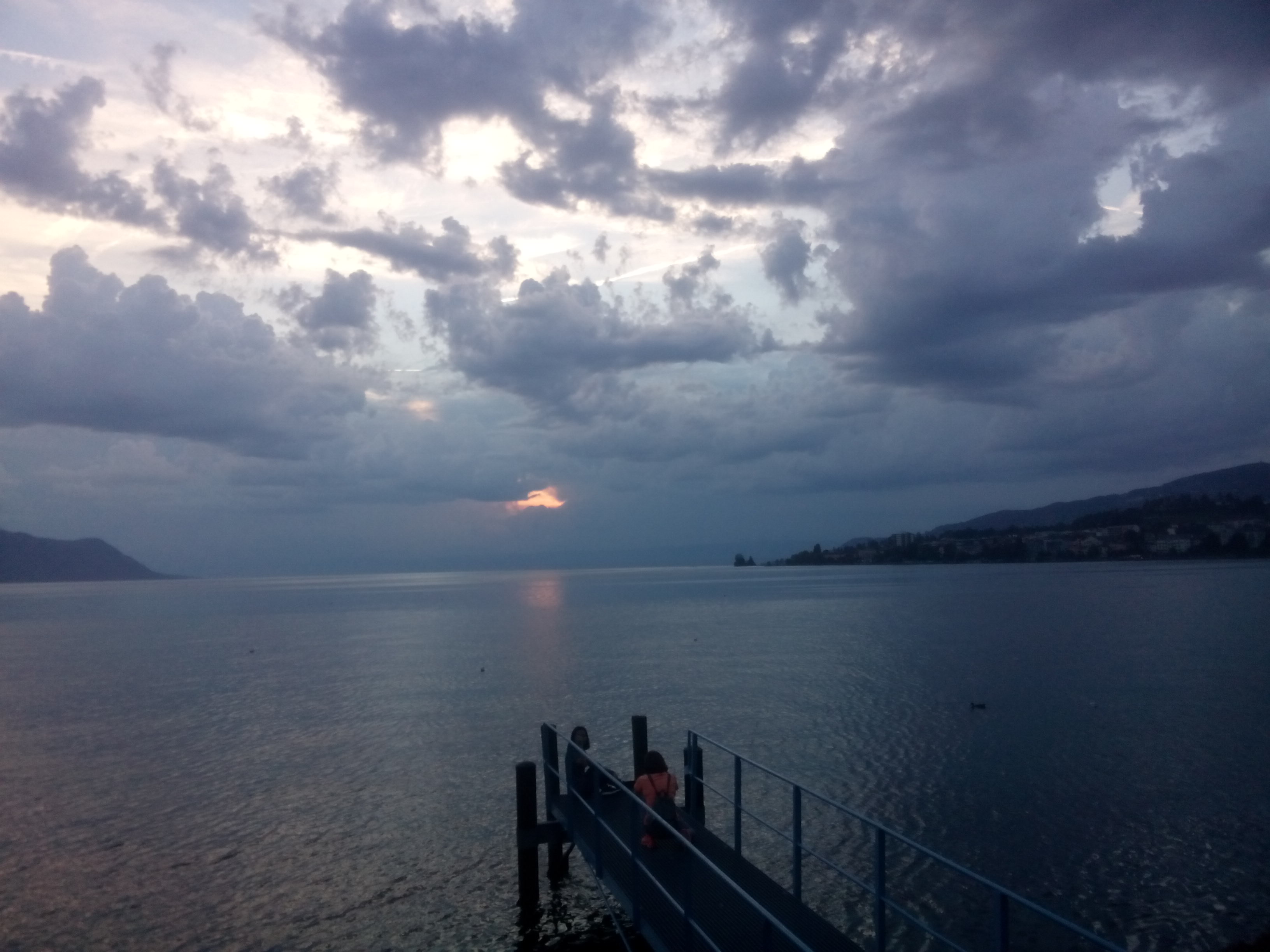
I will never tire of the view across the lake. The colours are mesmeric, and the mountains in the distance and the setting are just stunning. It is an easy town to fall in love with.
Tomorrow, Munich and train rides through mountains and around lakes. Wonderful, darling.
 All the punks are pushing fifty years and are hardly feared