Mantova – known as Mantua in English – is a lovely little Italian town, just tucked in to Lombardy. It’s a super 45 minute train journey south-east from Verona (not in Lombardy). It’s a town built on money of one influential family in particular, the Gonzaga family, who were rich merchants, horse breeders, dukes, bishops, princes and other key figures over a few centuries. Together with being on a trade route and being in the prime agricultural territory, Mantova has survived and at many times thrived.
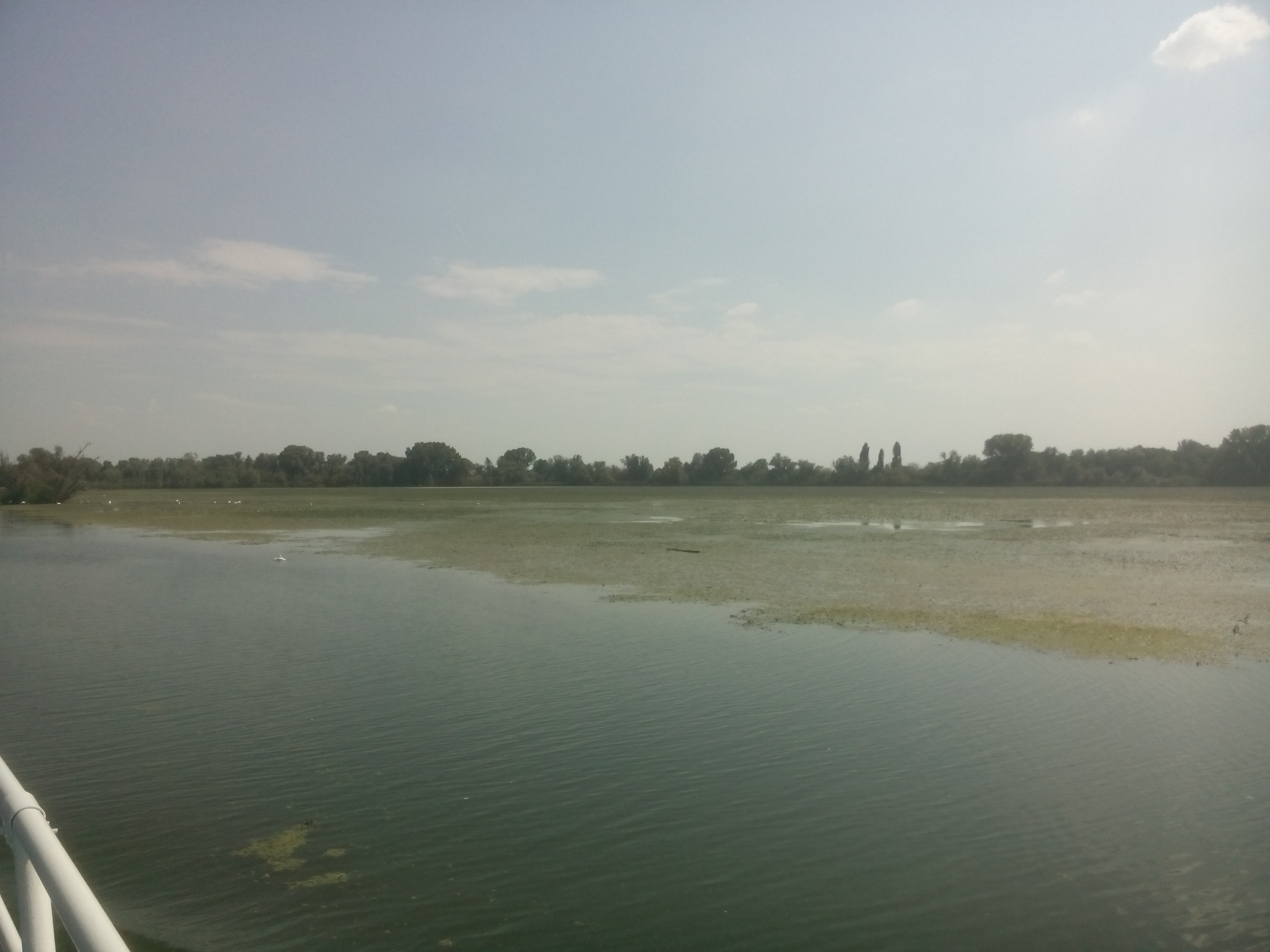
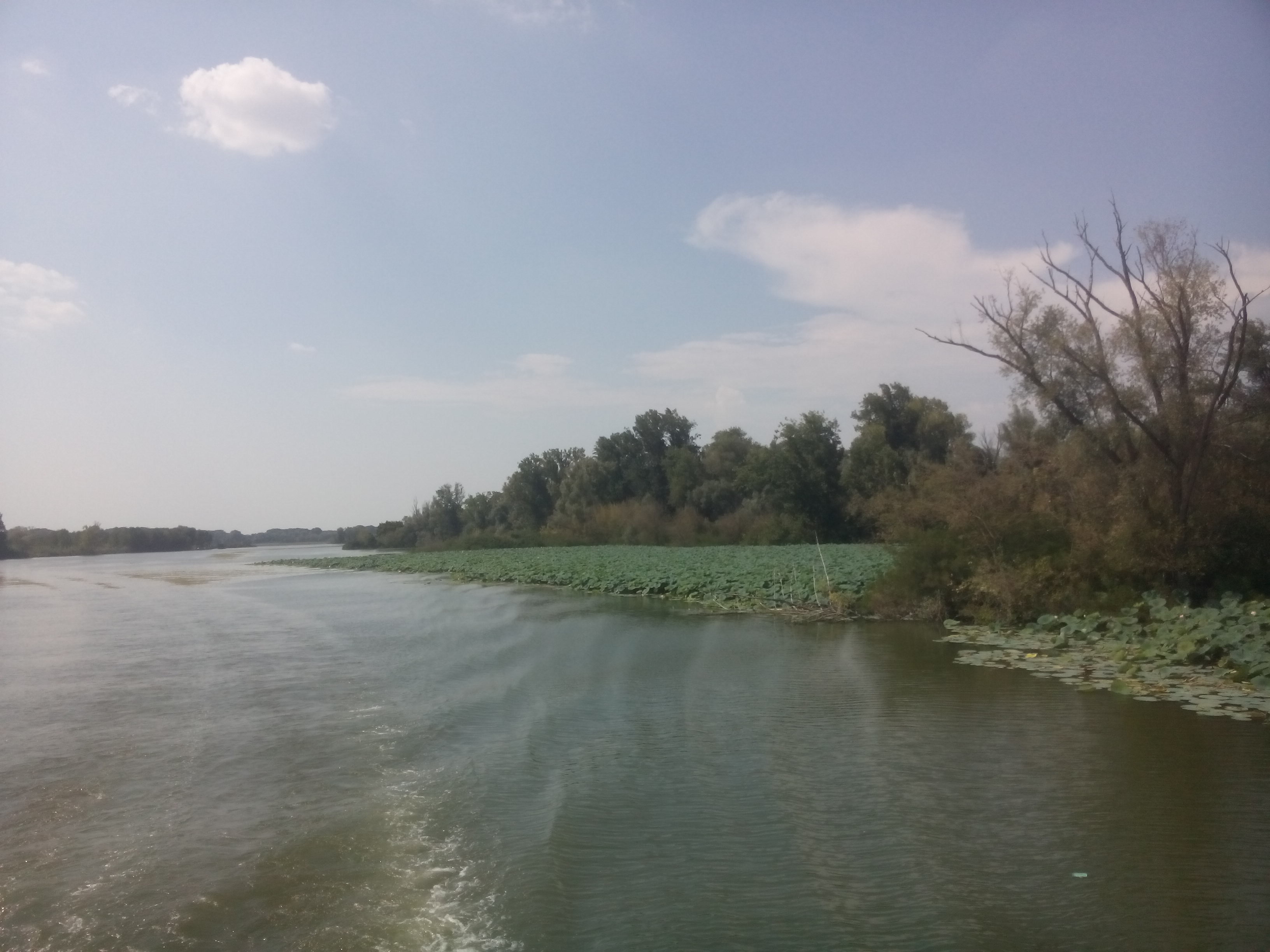
In terms of size, it is surrounded by water on three sides – three artificial lakes deliberately created for defence, flood alleviation and irrigation several centuries ago. This limits the size of the town considerably and is about the size of Beverley (if you live in East Yorkshire), or Sudbury (if you live in East Anglia), but without the urban sprawl or out of town shopping centres. Two of the three lakes are now nature reserves and are teeming with wildlife. There is one tourist boat company allowed to take tours in to the nature reserve, in limited numbers per day. We took the one that went through Lake Inferiore, which took half an hour to cross – it is vast. It is home to hundreds of ducks, cormorants, herons, coots, dragonflies as well as waterlilies and lotus flowers. It was a really calming yet invigorating experience.
The town is home to many castelli (the Italian equivalent of stately homes, but also sometimes castles, both of the posh-person living places as well as defensive structure varieties). There is a castle within the Ducal Palace complex, which takes at least one day to explore. Palazzo Te, to the south of town, is a large structure of lavish rooms and apartments, for receiving important guests and being the administrative centre of Mantova when it was part of kingdoms and empires past.
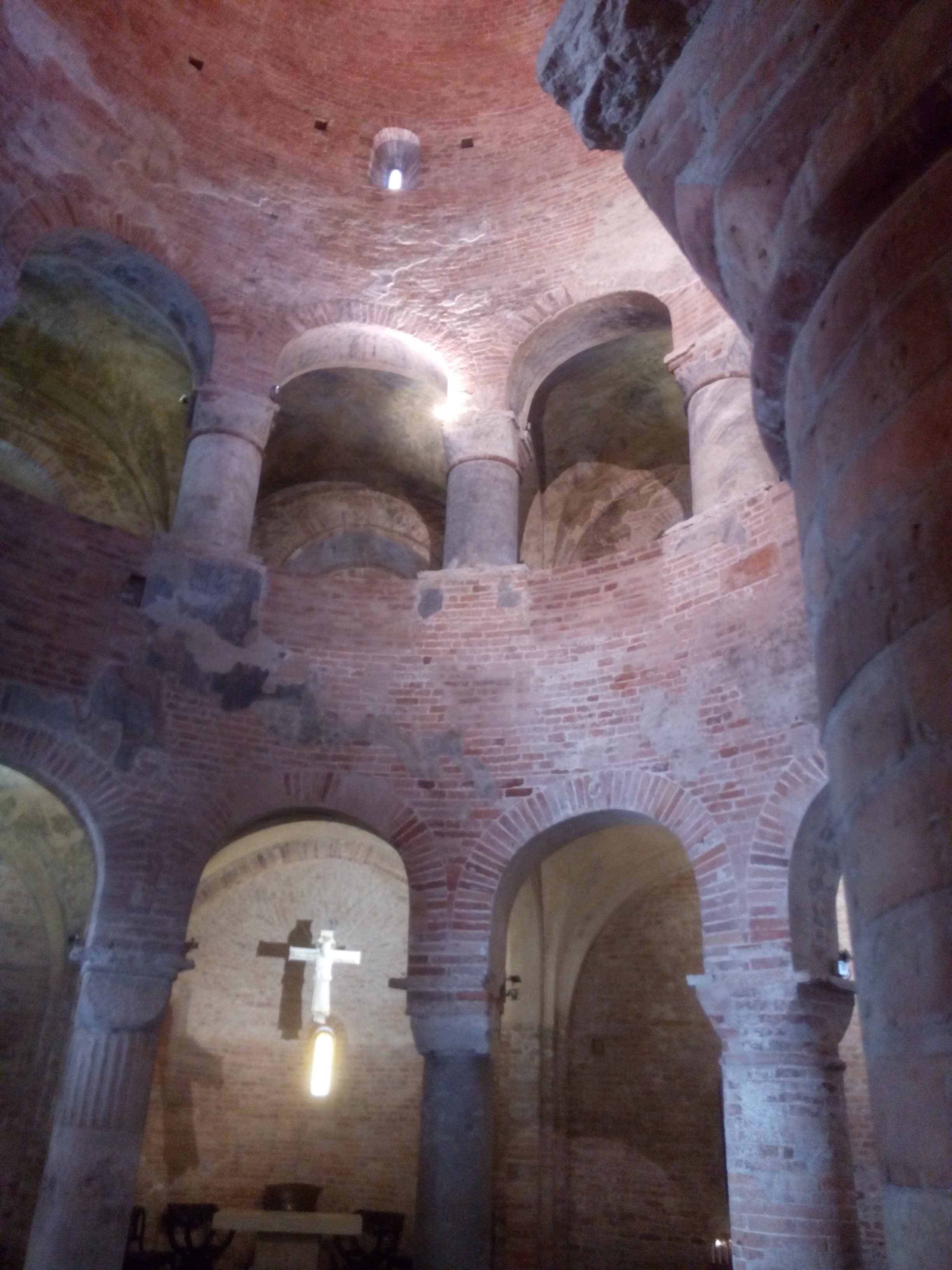
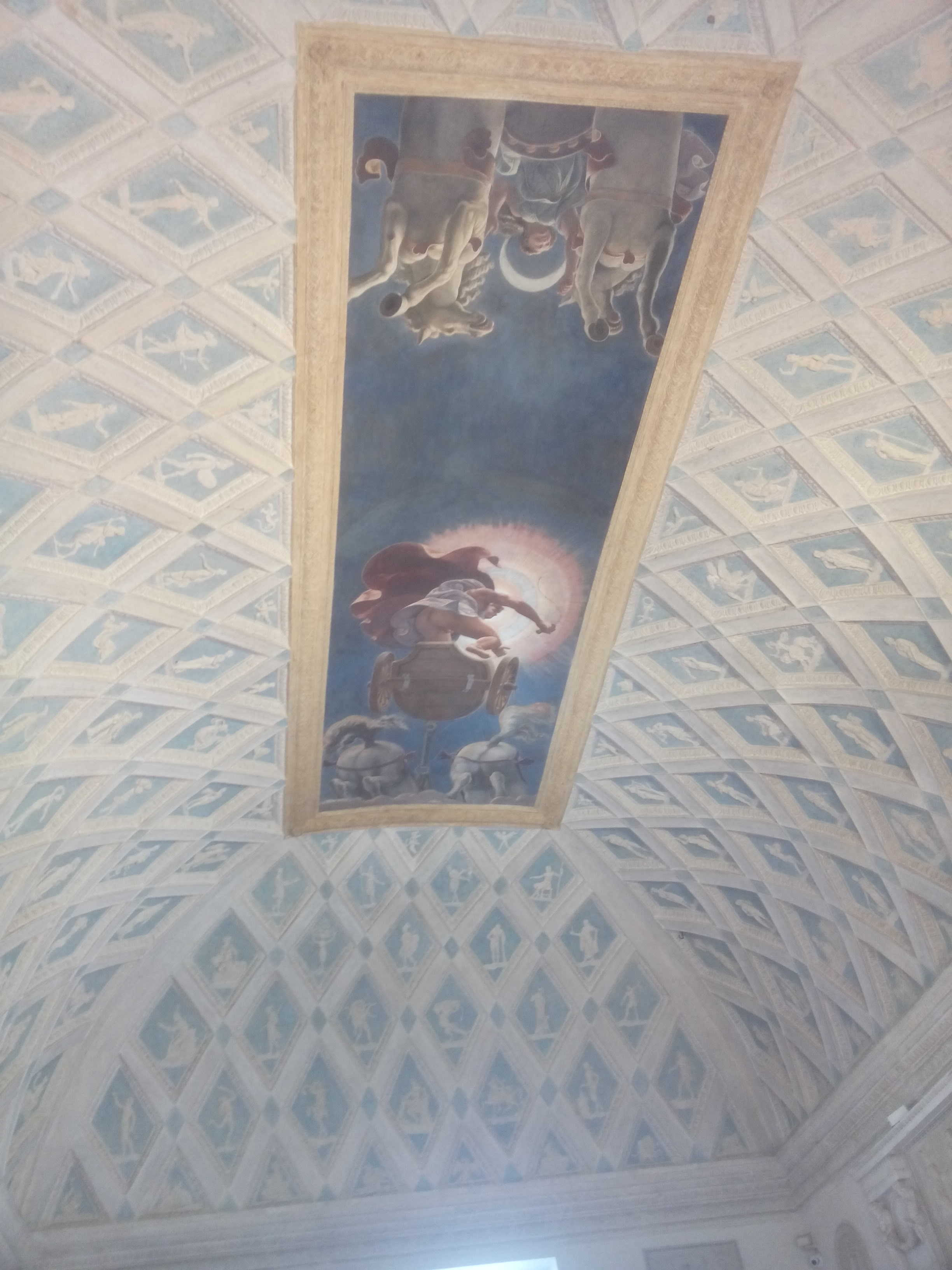
These amazing buildings merit the cricked neck you end up with from visiting. I’ve been to buildings with impressive ceilings, but these buildings have room after room after room of painted, moulded, wooded carved, cupola, optical balcony illusions, fake 3-D, and real 3-D ceilings that you could ever imagine. And painted rooms! So many different motifs, and stories from mythology and antiquity, including several Zodiac rooms (very en vogue in the 17th century) and a room painted of the Fall of the Giants. There are several churches, too – the cathedral, San’ Andrea and the 11th Century rotunda of San Lorenzo also encouraging looking up. Just trying to take in their painted ceilings and walls, or in the case of San Lorenzo, the quiet calm of a tiny church, which lies underneath street level for a lot of it, is quite a feat.
I am sure my photos barely do the rooms justice, but I had a go:
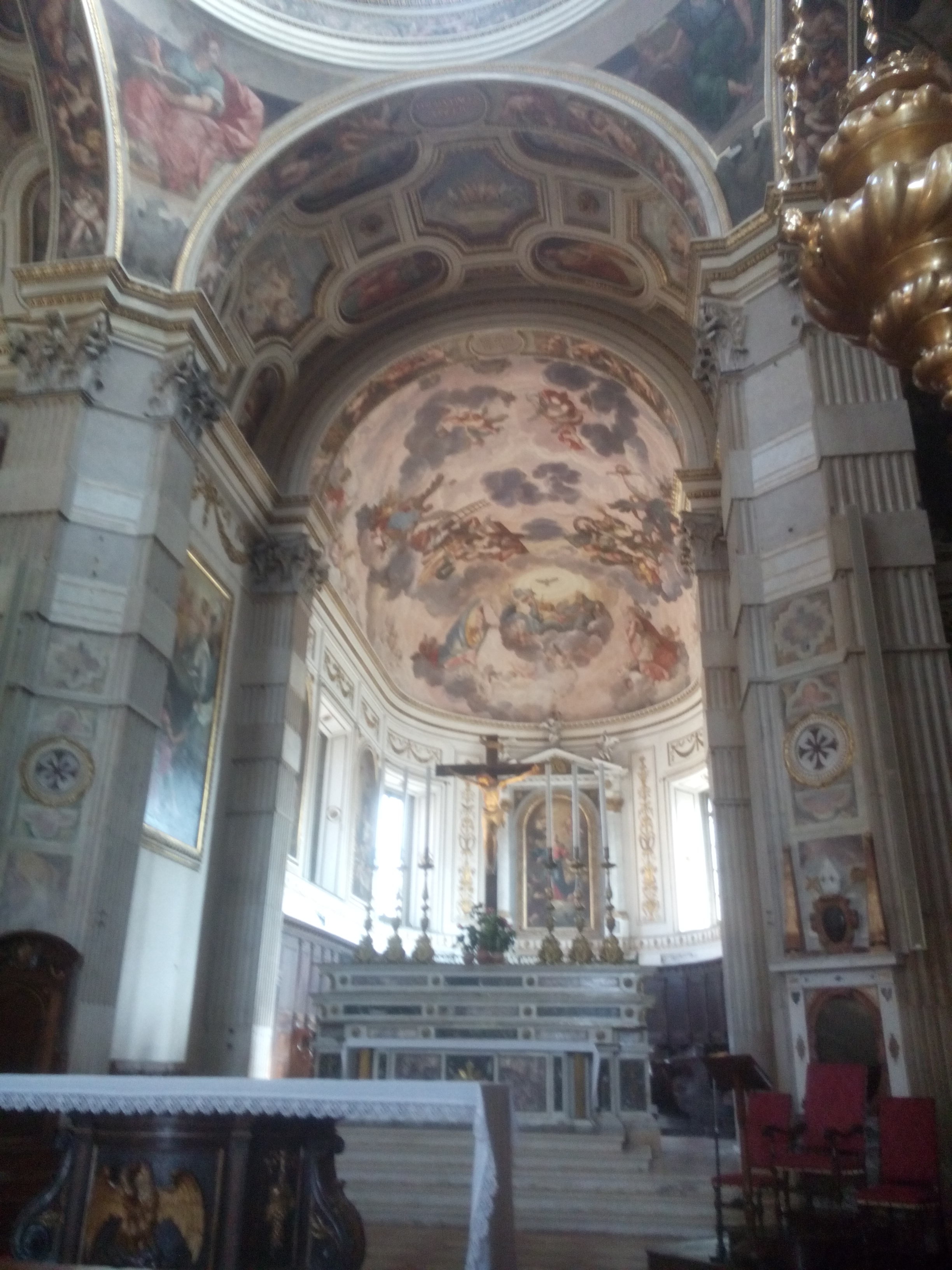
Mantova has strong literary connections, too. The Italian poet Virgil (Vergile) is much revered and his poetry often performed, including in the Teatro Scientifico Bibiena (scientific, in the sense that it was built during the Renaissance at a time that knowledge and a search for the truth, including through art, was being recognised and Bibiena, being the area of Mantova in which it is located).
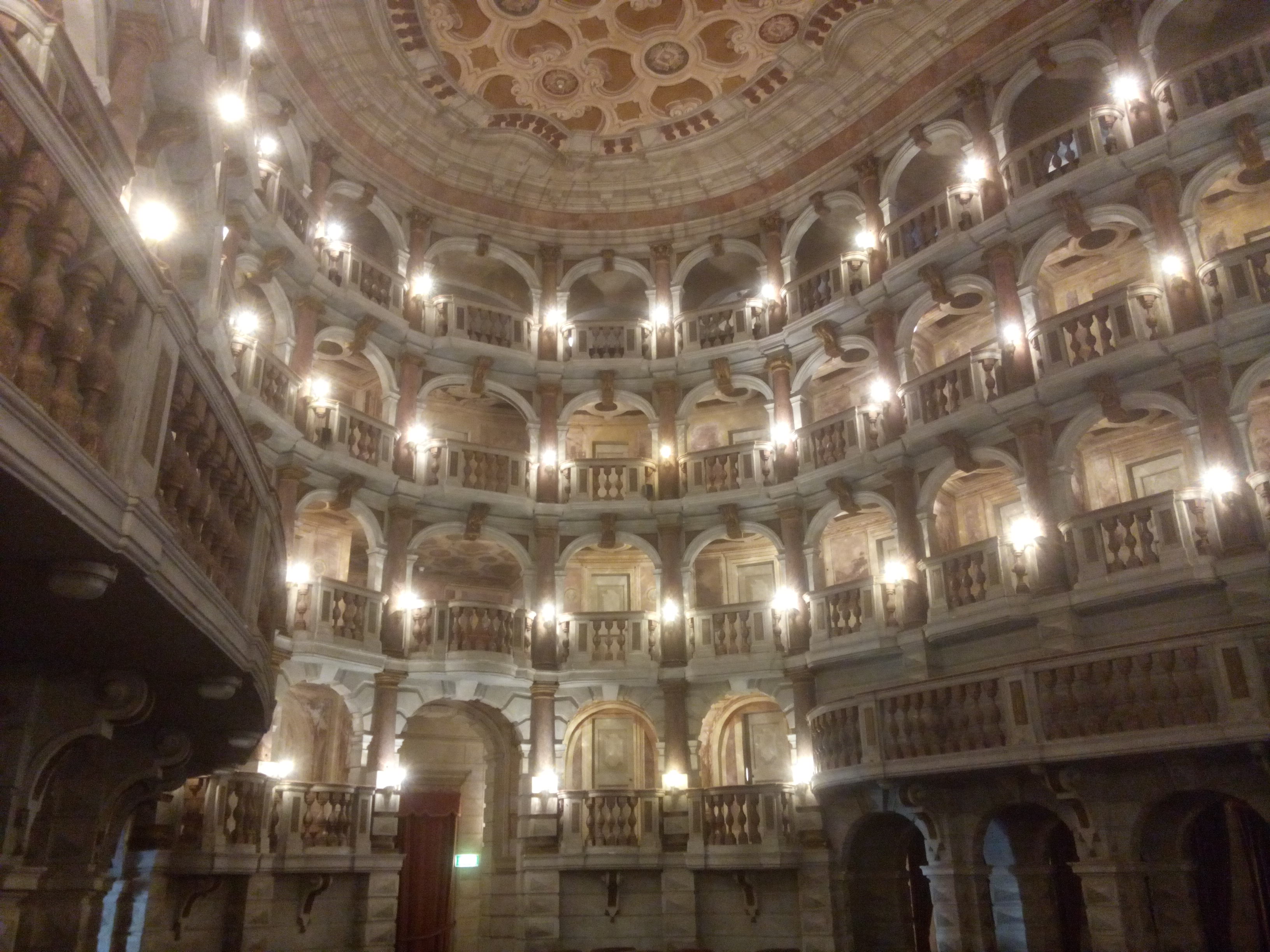
I knew of Mantova through Shakespeare’s plays. Romeo is banished to Mantova and Two Gentlemen of Verona have dealings here. Shakespeare references Giulio Romano, a much celebrated Italian painter, but also a wonderful sculptor and architect of the incredible Palazzo Te. There are no direct references to Shakespeare that I’ve come across here, but the idea of Mantova’s standing, the dynasty of the Gonzaga family and Mantova’s part in renaissance Italy have been well worth exploring. It’s a town with a lot of do and see – looking upwards particularly – as well as on the quieter side of Italian life.
Tomorrow, Switzerland and Montreux. I’m already singing Queen songs in my head. Ciao ciao!
 All the punks are pushing fifty years and are hardly feared