The following was written on the train journey between Nice and Kitzbühel, on Friday 27 July 2018:
I’m trying very hard not to say Nice is nice. For many reasons, not least that our excellent Headteacher at middle school insisted that we always look for an alternative to ‘nice’ – in her opinion, it didn’t really describe anything. It’s a habit I’ve maintained ever since.
It’s been a bit of a time for reflection, which is always helpful when spending nearly 3 months away from home. I’m currently on the train, travelling from Nice to Kitzbühel in Austria. Between 4 trains, it will take around 12 hours to get there. On the way, the services have called into some familiar places and old friends: Genova on the Italian coast and Pavia where I attended university for a semester. The journey around the coast from Nice to Genova is ace – following the blue sea all the way around and punching through the mountains a few times. I briefly encountered the principality of Monaco – the railway station is underground so didn’t see it from the train, but saw it as the train swung round the bay. It’s impressive and rich-looking even at a glance from the train, which I guess is part of the point.
Genova I visited a couple of times as a student in Pavia. It’s a salty sea dog of a town – run down, full of Mafiosi and real-life pirates, also the hardest working port in the North of Italy (for legal goods and trade), birthplace of Christopher Columbus and home to a good art collection, which I hope to visit one day. I love the edginess of Genova. Pavia is the exact opposite – a small, quiet university city. I’ve been back twice to Pavia since I was a student and find it a lovely town to explore still.
Today’s journey was a bit more fraught – the train from Nice to Milan was running 20-30 minutes late at any given time after it crossed the border in to Italy. The train has to change engine twice – once just over the border to an Italian loco and once to run the engine around the train set at Geneva, which like Hull, is an end station but unlike services at Hull, this service did not have an engine at either end and was not an EMU. All this is built in to the timetable to allow sufficient time, but the train was late pulling out of the station both times; regular passengers said that it is always late – there is often a bit of confirmation bias in such statements, I know, as you often don’t remember when the service runs completely normally; one such passenger, used to having to do so, very kindly found me the next services from Milan to Verona on her phone and I made the connection from Verona to Kitzbuhel in time, just. I’m now on the train going up the mountain, via Rovereto and Trento – it’s a journey we did on holiday a couple of years ago and it is stunning. After Trento, the journey will be completely new to me and I have a feeling the views will be pretty special.
I have lots of good memories going through my head as a result.
In the meantime, Nice. Nice owes its current incarnation to the British and then the Italians and then the British again (well, the allies including Americans). Nice is one of the oldest settled places in France, and in Europe. There are archaeological remains of humans settling on the beach around 400,000 BCE (BC in old money). Small groups would settle on the beach for 2 months of the year (as known from carbon dating and the seeds of seasonal fruit left behind, taking advantage of the warm temperatures to hunt locally before moving on before winter. There is an excellent archaeological museum – one of two in Nice – which shares as much as possible from a dig that was undertaken in the 1960s as an emergency; the site was well known for years but it was being taken up and tarmacked as part of a new development, so a local archaeologist, who was passionate about the site, secured permission for an emergency one-month dig, which went on for 5 months in the end. His team undertook pioneering work, being only the second time that taking plaster casts of vast areas of earth was used in the world. The cast includes the site of one of the first workshops ever, in keeping with my love of industrial history – clear evidence of the place that the person who fashioned the camp’s stone tools (wedges, axe heads, cutting edges) sat, with the pattern of the off-cuts, discards and stone chips all around. Really interesting. One of the members of staff could see I was interested in the details, so he kindly gave me a copy of the English translation hand out of the interpretive panels to take home.
Nice then was settled more permanently, much later on, by the ancient Greeks, taken over by the Romans and becoming part of whichever European kingdom wanted it over time – it changed hands between Italian and French-controlled kingdoms a few times through conquest and marriages. It’s most recent adoption was in 1860, when it was passed by the Italians to the French as a thank-you for the French army’s assistance during yet another war. It explains the Italianiate feel to the place but it is definitely French now.
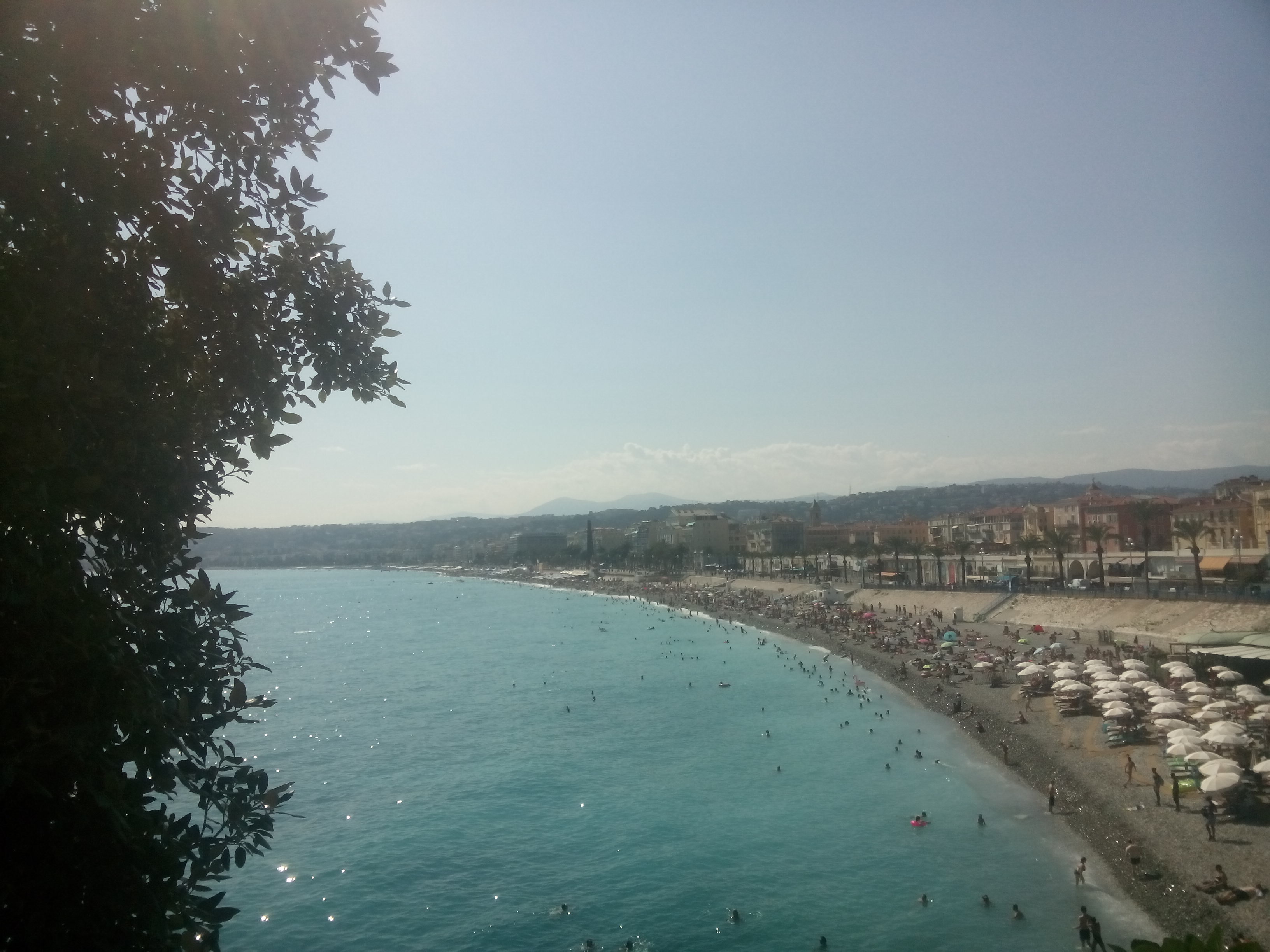
That’s the Italians in the middle of the introduction. The first British reference is that the Brits picked it in the 18th and 19th Century as the place of the well do-to to go on holiday, as part of grand Riviera trips. Nice by that point was already used to being a holiday resort, but it was a winter resort for some locals and a few adventurous Brits, brought in by the warmer winters. Until the British started investing in summer-times at the turn of the 1800s, no-one thought it would be a good idea to go on holiday there in summer – far too hot! However, the idea, and the investment, took off and lay the foundations for the city and the seafront we know today. A lot of the grand hotels are from the 19th century and the famed Promenade Des Anglais was indeed built by British money – after a poor winter season for tourism and agriculture in 1820 and 1821, there was a downturn in the city and a lot of labourers were out of work. The British investors concocted a version of a Marshall Plan to create employment and safeguard the town they loved – they commissioned the design and construction of the Promenade Des Anglais to give them the grand promenade space they wanted and to help keep the city afloat during a tough time. It worked.
The last reference is to Nice’s liberation, in 1944, by the Allied army. This had more of a lasting effect than some other areas in France – I’ll explain in second. One of the more visual reminders of the German Occupation is the lack of pier in the seafront – the supports can be seen but the pier is gone. The first pier went on fire, even before it opened to the public in 1883, as happens suspiciously often with piers. The second was built and opened in 1891 and was a great success. Under Occupation, the pier was closed to the public for any sort of fun in 1942 and was stripped of useful things, mostly metals. There was an ongoing discussion as to whether it would be worth dismantling the pier itself for its cast iron (and as a symbol of power and control), the decision eventually being taken in 1944. The pier was dismantled between March and June 1944, to the dismay of the townspeople. The city was liberated in August 1944. The city was keen to get back on its feet after the war and soon started welcoming visitors back, but the pier is still missed – there was an excellent temporary exhibition at the other archaeological museum to provide more information on it, as there were some dives in 2015 and 2016 that found relics from the pier that burned down and stuff that fell off or was thrown off the second one.
The lasting effect was jazz, and the internationally renouned Nice jazz festival. Nice was picked by the US army as a fall back for R&R for demobbed troops, amongst whom jazz was all the rage. The soldiers played their records and many of them as talented musicians soon taught the local bands and dance halls the best of jazz. Soon after, jazz stars from the US were invited to entertain the troops and increasingly enchanted locals, and the annual jazz festival was born, championed by huge names such as Louis Armstrong, Ella Fitzgerald, Dizzy Gillespe and others, often finding far more accepting and entirely non-segregated audiences to entertain.
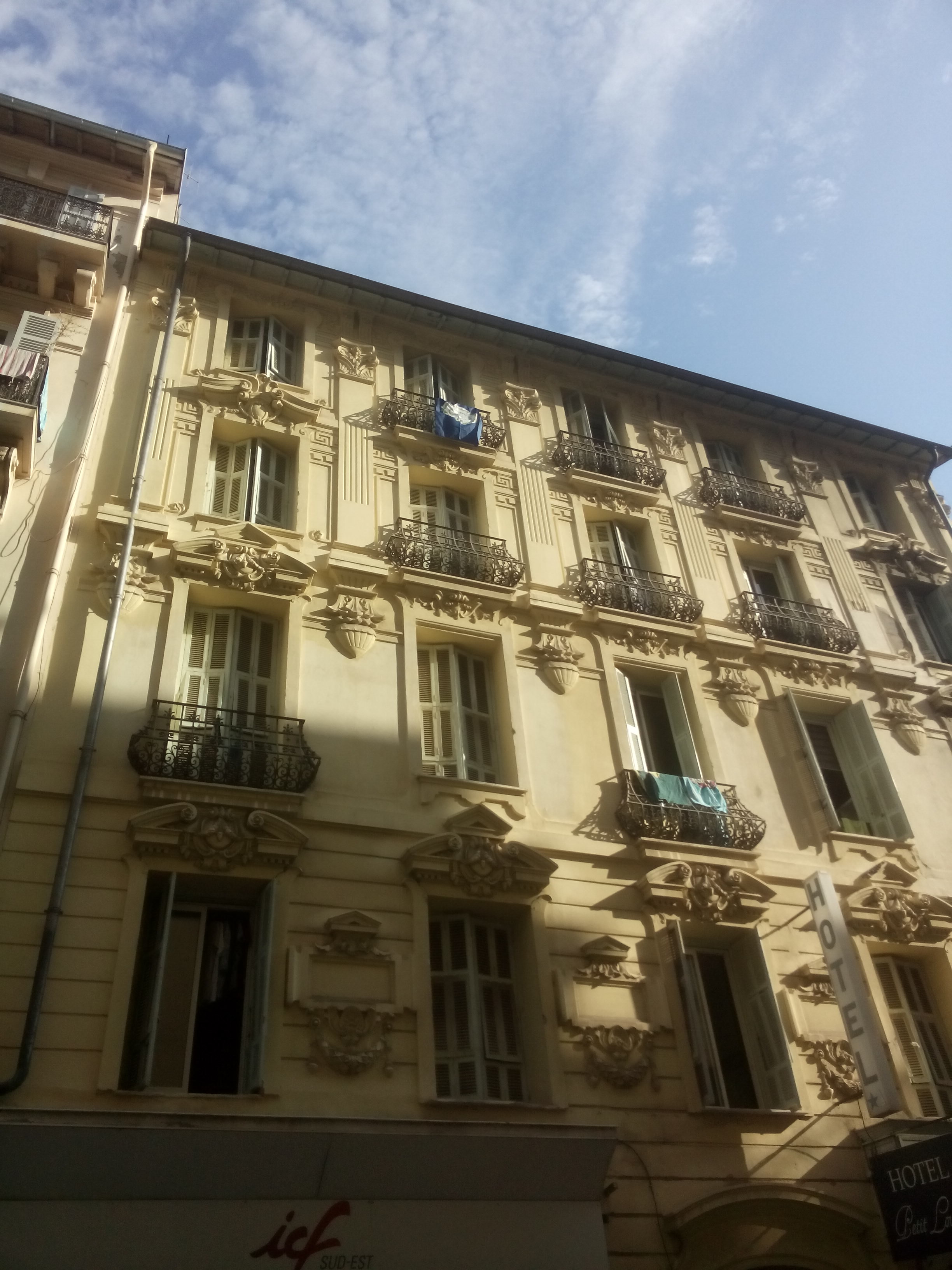
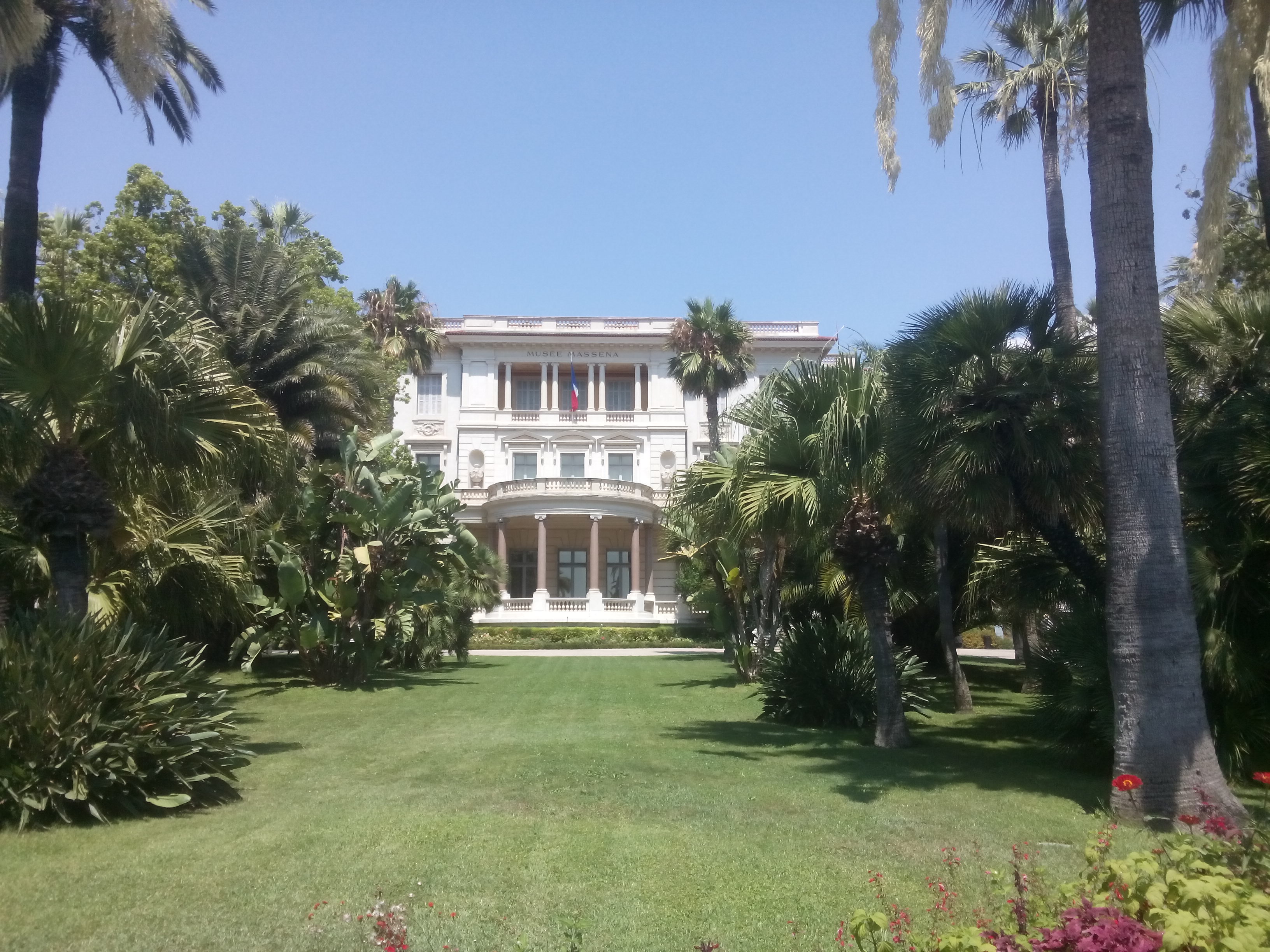
Nice was very interesting – busy and hot, and interesting. Lots of excellent museums, including Matisse and Marc Chagall museums, both long-term adoptees of Nice, as well as some grand houses now opened as museums to tell different stories of Nice and generally lovely buildings all around.
Briefly, I will also mention a day trip I took to Antibes, which is just 30 minutes round the coast by train from Nice. The whole train ride from Marseille to Nice (including Antibes to Nice) is wonderful, following the coast and blue sea for miles and miles. Antibes is famous for its Verdun fort, was home to Picasso for a while (and there is a Picasso museum there) and is known today for its gorgeous beach and port for yachts, mainly.
It should be much more famous for its Postcard Museum. I love sending postcards and realised I knew very little about a thing I love. I spent 3 hours in the museum, which is one large room in a warehouse. There is a lovely review of the place on TripAdvisor, where someone shared that he spent some of the best days of his summer holiday in this museum, and I can see why. It is the passion and brainchild of the owner, who has carefully picked 3,000 pieces from a collection that is far larger to demonstrate the history of the postcard. He has one of the first postcards ever sent, which was from Vienna in 1871. Picture postcards for advertising or commemorating events soon took off after this, and with the growth of tourism with the spread of the railway, postcards for people’s holidays soon followed, with Germany an early adopter.
The owner is undergoing the rigorous standards checks to become a recognised Museum of France. With its detailed information in French and English, it’s well organised curation and lovely facilities, I hope it is not far off achieving it.
So, I recommend – go to Antibes, delight in the old town, enjoy the beach and frequent the Postcard Museum – it’s a grand day out.
Now, to Kitzbühel, for exploring somewhere completely new and on Monday, a new experience – attending the first day of an ATP tennis tournament. I’ve been to a Grand Slam before, the French Open, but never to an annual tournament; I’ve been a tennis fan for a long time so feels like a good thing to be doing.
In the meantime, I hope you’re all well. Ciao ciao.
 All the punks are pushing fifty years and are hardly feared