Ieper, to give it its working name, or Ypres to the Brits and the French, or Wipers if you were an Allied troop in the trenches, is a lovely town. It’s a Flemish town, full of the wonderful things I associate with Belgium – friets, waffles, bier. It lives on despite WWI and provides an opportunity to learn more about the impact of WWI and the Western Front.
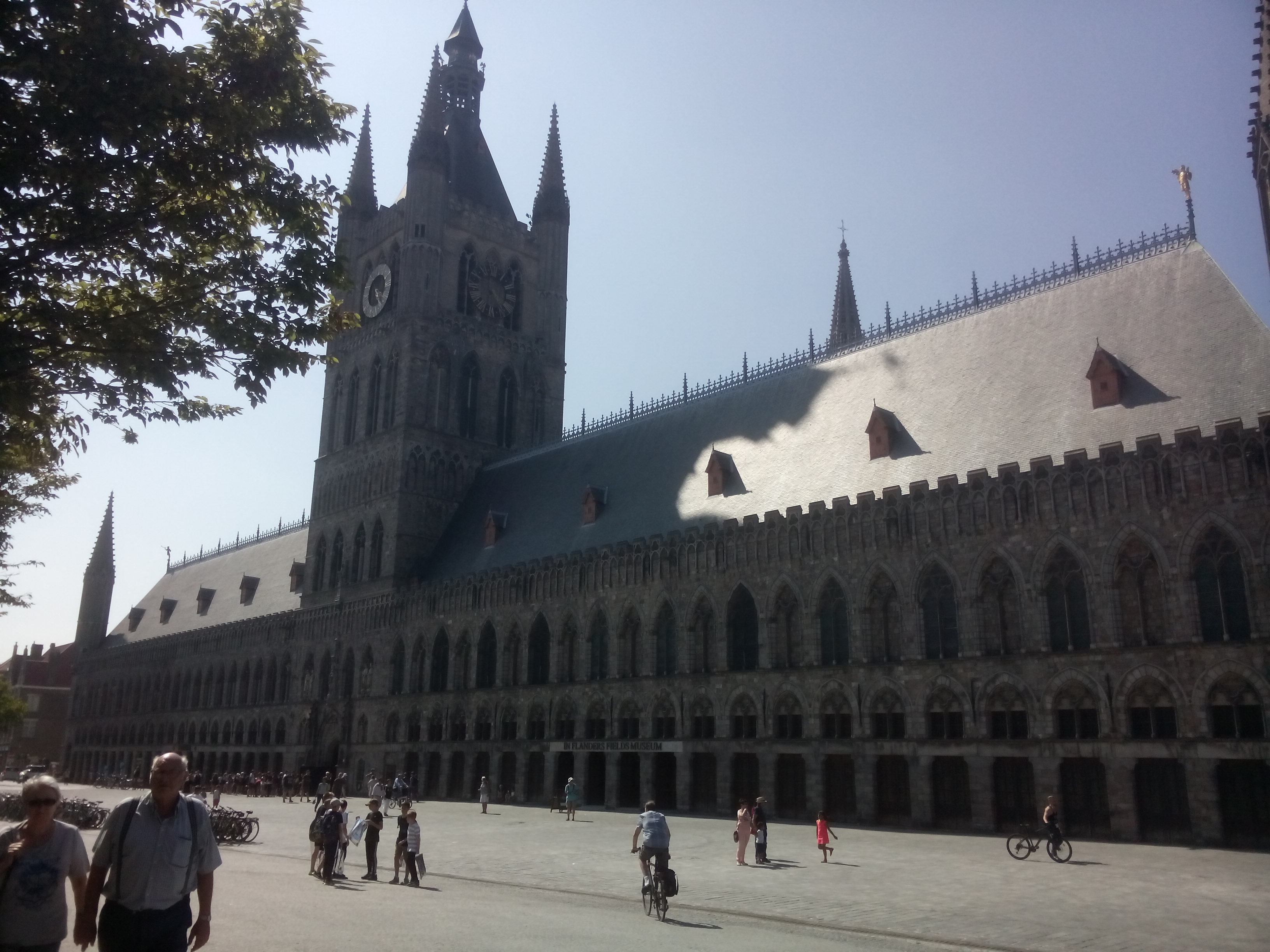
The In Flanders Field Museum in the Cloth Hall in the town centre is one of the best museums I have ever been to. It covers the whole of the second floor of the largest municipal/trade hall I have ever seen, and half of the first floor is used for temporary exhibitions, the current being on archaeology of WWI. The other part of the first floor will reopen in July 2018 with the new Ieper Town Museum and I would love to come back for that.
The In Flanders Field Museum tells the history of Ieper and the Allied Western Front that passed barely a couple of kilometres west of Ieper once the Allies had clawed that part of Belgium back from the Germans in 1914. On their way through, the German Army pretty much did for Ieper, with the townspeople fleeing as some of the 325,000 civilian refugees who fled Belgium during the war. Ieper was a ruin from that point onwards, with only part of the old ramparts, some parts of some church towers and the old ammunition dump still standing and recognisable. The museum details the history of Ieper during WWI not only in four languages (Dutch, French, English, German) but, without judgement or sentimentality, also tells the story of soldiers, officers and civilians from the language nations also, using diaries, eye-witness testimony, photography and newspapers to do so. It includes reference to the four newspapers that circulated in the trenches – the Wipers Times being the English-language version (there was a also a Dutch/Flemish, French and German equivalents).
When the people of Ieper returned after the war, they were faced with the question ‘what do we do now’? I’ve been to a few places that have been destroyed or badly damaged by WWI and/or WWII and each has had to make this decision. Hull, for example, repaired what it could and rebuilt as new around bomb damage. Le Havre started again from scratch, as a new, gorgeous, concrete masterpiece. Freiberg rebuilt an exact copy of its old town, with the original date of construction and the re-build date on each building. Ieper was rebuilt as a town of peace, a decision that was taken in 1917, after so many soldiers had already died on the Western Front. Ieper had had a renaissance in the early 20th Century – it was a prosperous, gorgeous Flemish town. When the people returned, their response to ‘what do we do with the town’ was simply – we liked our town before the war, so we will build it again as it was. What you see today is a replica of what was already there, and natural expansion since.
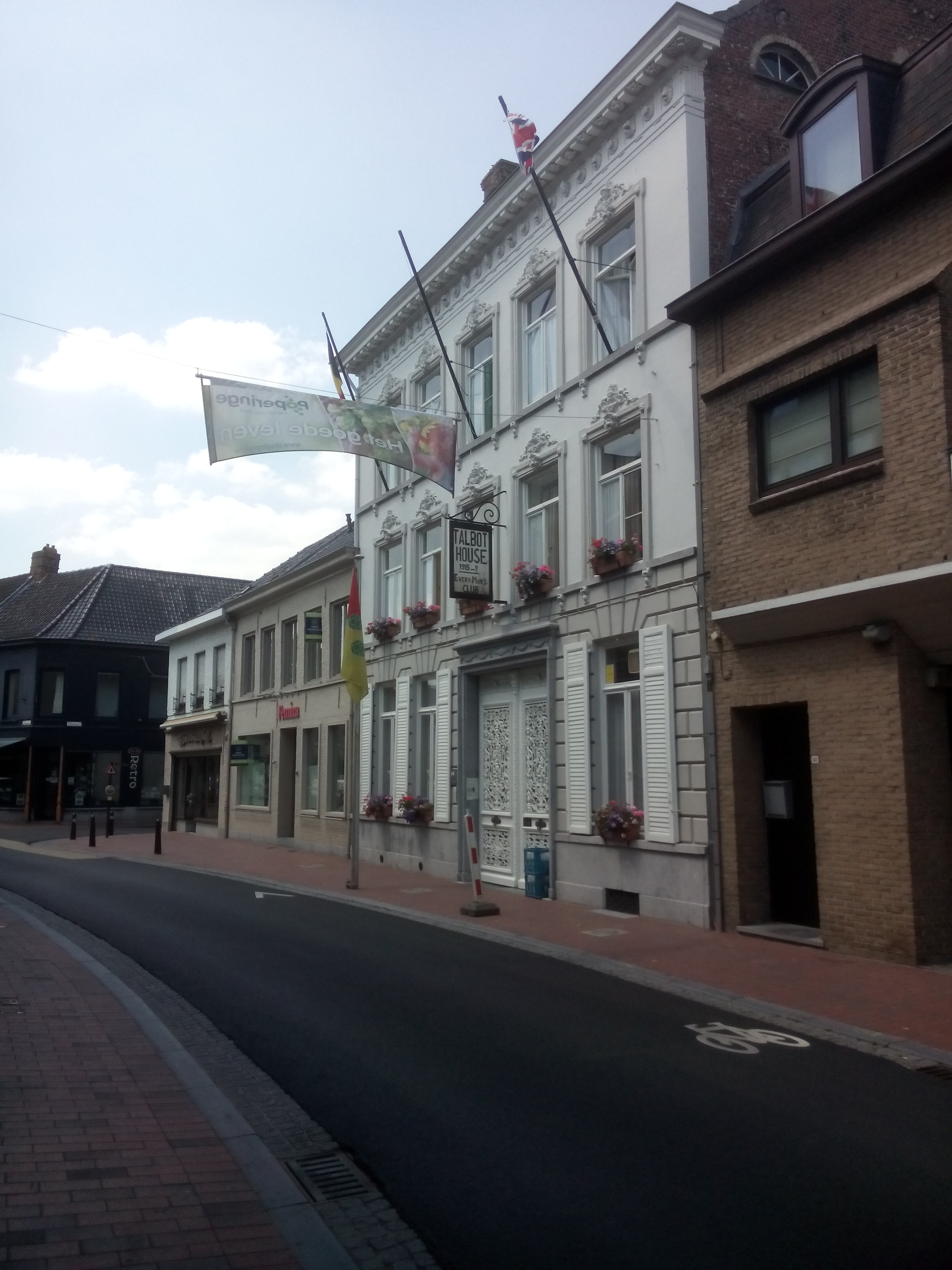
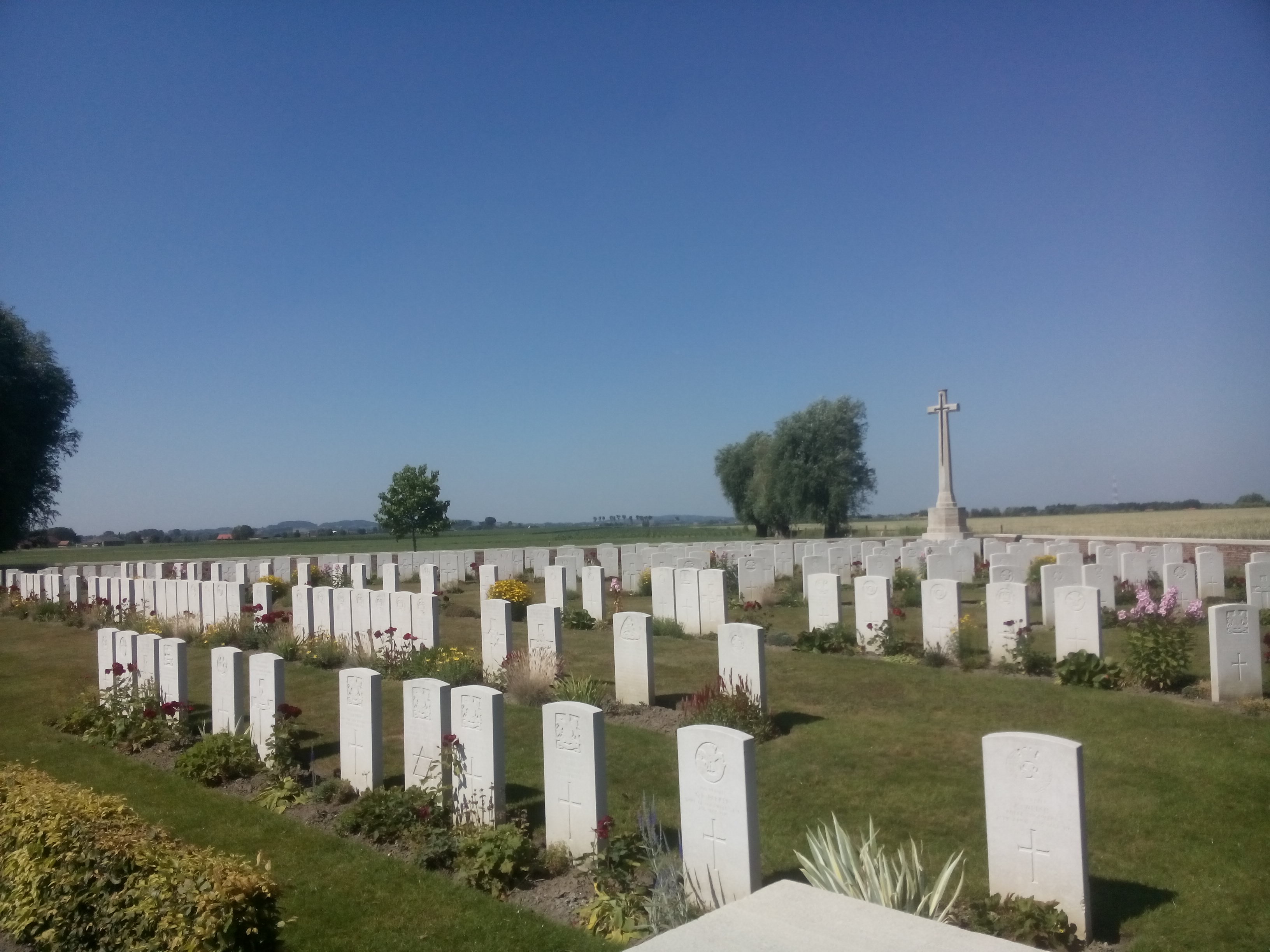
Today, I walked from Ieper to Poperinge, a town about 10 km away. It was within Allied territory throughout the war and was a town visited by Allied troops during precious times of R&R. The layout of the roads is pretty much the same now is it was during the war, so I likely retracted the steps of many soldiers during that time. There are several war cemeteries on the way. I visited them all and paid my respects, as best I could, reading the gravestones. There was usually at least one solider from the East Yorkshire Regiment, the regiment encompassing Hull. The East Yorkshire Regiment was garrisoned in Beverley and is now part of the merged Yorkshire Regiment. The East Yorkshire Regiment became my Grandfather’s regiment during WWII; I didn’t know this nor did I have a personal connection with East Yorkshire while he was alive, but it is a connection I feel now. Like many people, I find particularly poignant the sheer number of un-named graves. There are over 200,000 buried unnamed soldiers in Belgium and France; the regiment is listed where known, but it makes the Menin Gate, for example, even more powerful when you consider the 250,000 names listed are Commonwealth soldiers who fought and died in the Ypres Salient and for whom there is no known grave, named or otherwise. Poperinge includes Talbot House, “The Everyman’s Club” established in 1915 for Allied Troops, with a canteen, library, gardens, chapel and friends register (a place to leave your name and put the whereabouts of other troops to be able to set up meetings with friends and relatives). Today, it is a bed and breakfast and museum and well worth a visit to learn more about life behind the Western Front.
There is a lot of dignity and peace in Ieper and Poperinge; long may it continue.
 All the punks are pushing fifty years and are hardly feared